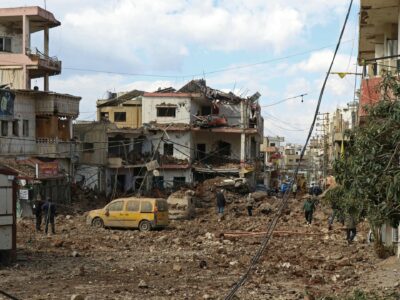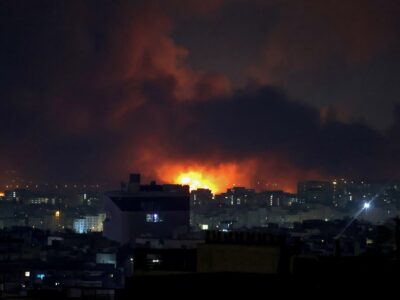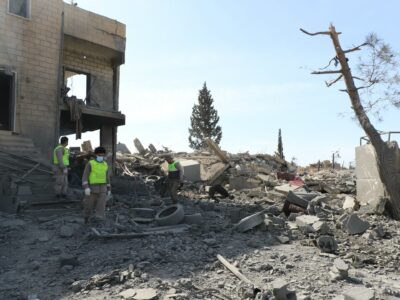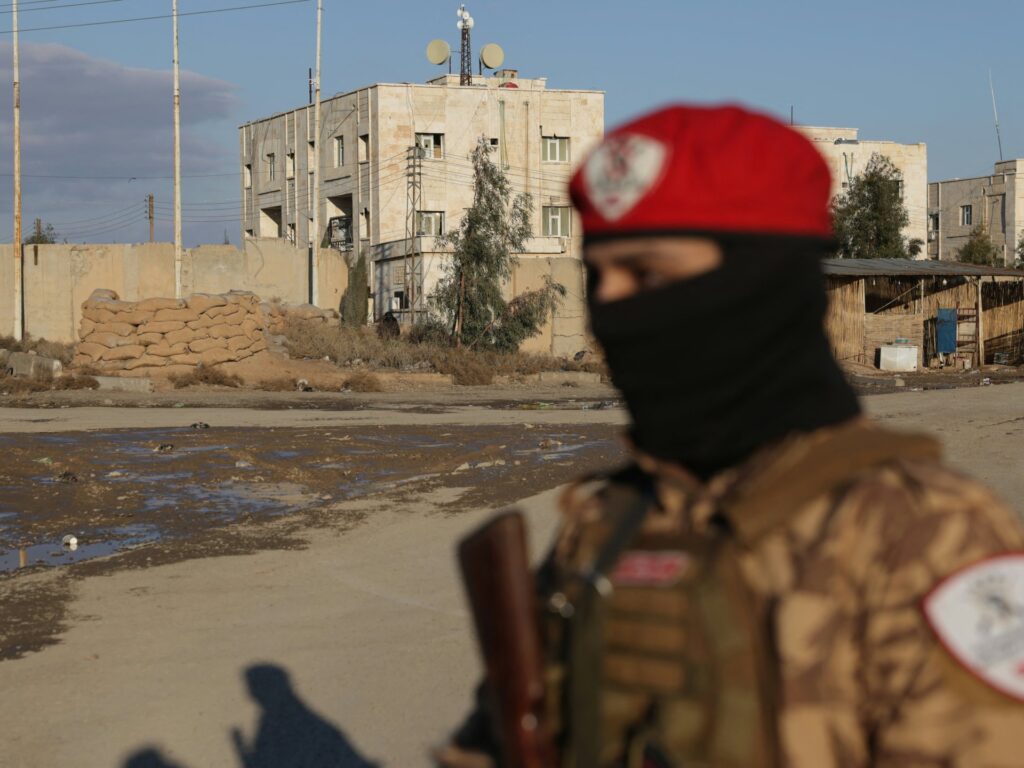
Recent intense clashes have erupted in the northeastern Syrian city of al-Shaddadi, where the Syrian army and the Kurdish-led Syrian Democratic Forces (SDF) are locked in battle. The conflict has resulted in a significant breakout of ISIL fighters from a local jail, alarming regional security forces and residents alike.
According to a statement from the Syrian army to Al Jazeera Arabic, government forces have now established complete control over al-Shaddadi, a strategic city in the Al-Hasakah Governorate. The city has been a focal point of military operations, given its crucial location and the presence of both ISIL detainees and various armed factions.
The situation escalated as ISIL militants seized the opportunity amid the fighting to escape from detention facilities within the city. These escapes pose a heightened threat, potentially enabling ISIL to regroup or launch further attacks.
The ongoing confrontations highlight the continuing complexities in Syria’s multifaceted civil war, where state forces, Kurdish-led groups, and extremist factions like ISIL vie for control over key territories.
The Kurdish-led Syrian Democratic Forces have been a prominent player in combatting ISIL in the region, frequently coordinating with international forces. However, the recent clashes with the Syrian army suggest underlying tensions and competing interests between these allies.
Local civilians have expressed concern about the safety implications of the armed conflict and the ISIL jailbreak, fearing renewed violence and instability.
In recent months, al-Shaddadi has changed hands multiple times, reflecting the volatility of the area. Control over this city is crucial due to its proximity to oil fields and vital transport routes.
International observers have called for de-escalation to prevent further deterioration of security and to support humanitarian assistance to affected populations.
The Syrian army’s declaration of full control over al-Shaddadi marks a significant development in its efforts to consolidate power in northeastern Syria. However, the escape of ISIL fighters adds a layer of complexity to the security landscape, necessitating coordinated responses to prevent an uptick in militant activity.
As the situation remains fluid, both Syrian government forces and the SDF are likely to intensify military operations to curb ISIL’s resurgence and to stabilize the region.
The international community continues to monitor developments closely, emphasizing the need for political solutions alongside military efforts to achieve lasting peace in Syria.
This latest episode underscores the fragile nature of stability in northeastern Syria and the persistent challenges posed by extremist groups.
Efforts to secure detention facilities and prevent further escapes will be essential in mitigating future risks in al-Shaddadi and surrounding areas.
The dynamics between the Syrian government and Kurdish-led forces will significantly influence the course of events, as cooperation or conflict between these factions affects overall security and governance in the region.
Meanwhile, humanitarian agencies are urging safe corridors to aid civilians caught in the crossfire and to provide essential services amid the heightened conflict.
The successful containment of ISIL militants and the restoration of peace in al-Shaddadi will require sustained international support and a commitment to addressing the broader political issues fueling the conflict.
As the dust settles, the focus will likely shift to rebuilding efforts and reconciliation initiatives to mend fractures within Syria’s diverse communities.
The al-Shaddadi clashes and ISIL jailbreak serve as a stark reminder of the ongoing volatility in Syria and the enduring threats posed by extremist elements despite years of conflict and counterterrorism operations.