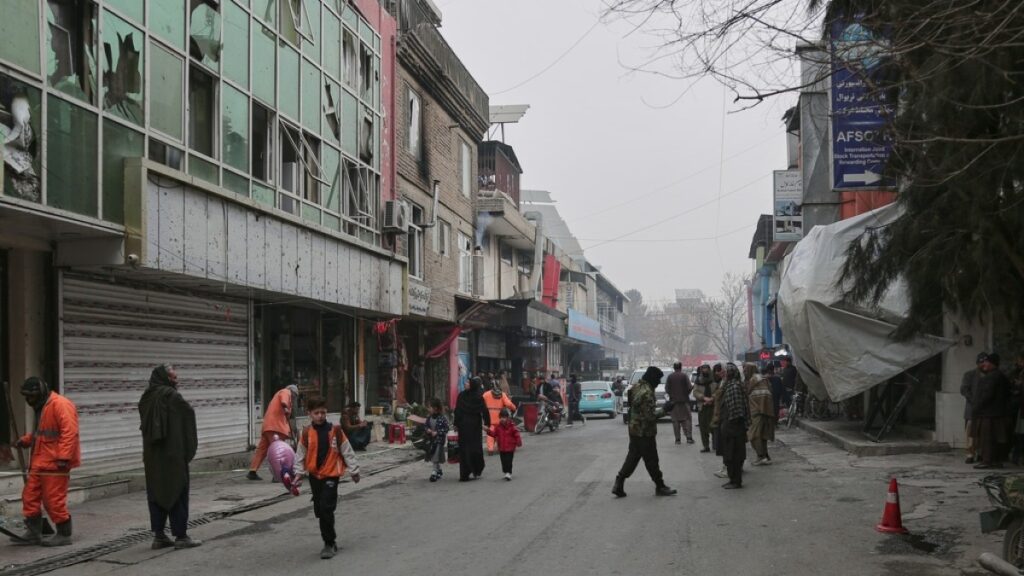
In a harrowing incident in Kabul, a Chinese restaurant was attacked, resulting in the deaths of seven individuals. The Islamic State of Iraq and the Levant (ISIL) has claimed responsibility for the attack, linking it directly to what they describe as China’s “crimes” against the Uighur minority.
This attack marks another tragic event in the ongoing security challenges facing Kabul and highlights the complex geopolitical tensions involving China, Afghanistan, and militant groups in the region. The attackers targeted a popular Chinese establishment, underscoring the symbolic nature of the attack against Chinese nationals and interests.
China has condemned the attack unequivocally and has called on the Taliban government, which currently controls Afghanistan, to ensure the safety and protection of Chinese nationals and investments in the country. The Chinese government’s request emphasizes the precarious security situation in Kabul and the potential risks for foreign nationals operating there.
The Uighur issue remains a significant point of contention internationally, with militant groups like ISIL using it as justification for violence and terror acts. The Uighurs, a predominantly Muslim ethnic group in China’s Xinjiang region, have faced severe repression according to multiple international reports, a situation that militant organizations have exploited to justify attacks.
This incident adds to the series of challenges that the Taliban face in maintaining order and security in Afghanistan. Since taking over in 2021, the Taliban have struggled to control various extremist groups within the country, including ISIL-Khorasan Province (ISIL-K), which has frequently targeted both Afghan civilians and foreign entities.
Beijing’s demand for protection indicates China’s growing geopolitical interests in Afghanistan, particularly regarding infrastructure projects and economic investments linked to the Belt and Road Initiative. Ensuring the safety of its nationals is critical for China’s continued involvement in the country.
The Kabul attack raises urgent questions about the effectiveness of the Taliban’s governance and their ability to curb extremist violence. It also spotlights the risks faced by foreign workers and businesses in conflict zones.
International observers have called for a coordinated response to prevent further destabilization in Afghanistan. The attack demonstrates how regional and international tensions can manifest violently, with civilians paying the price.
Moving forward, the international community’s role in supporting Afghanistan’s stability, ensuring human rights, and countering extremist propaganda remains crucial. This attack serves as a stark reminder of the fragile security situation in the region and the ongoing threats posed by militant groups exploiting ethnic and geopolitical grievances.