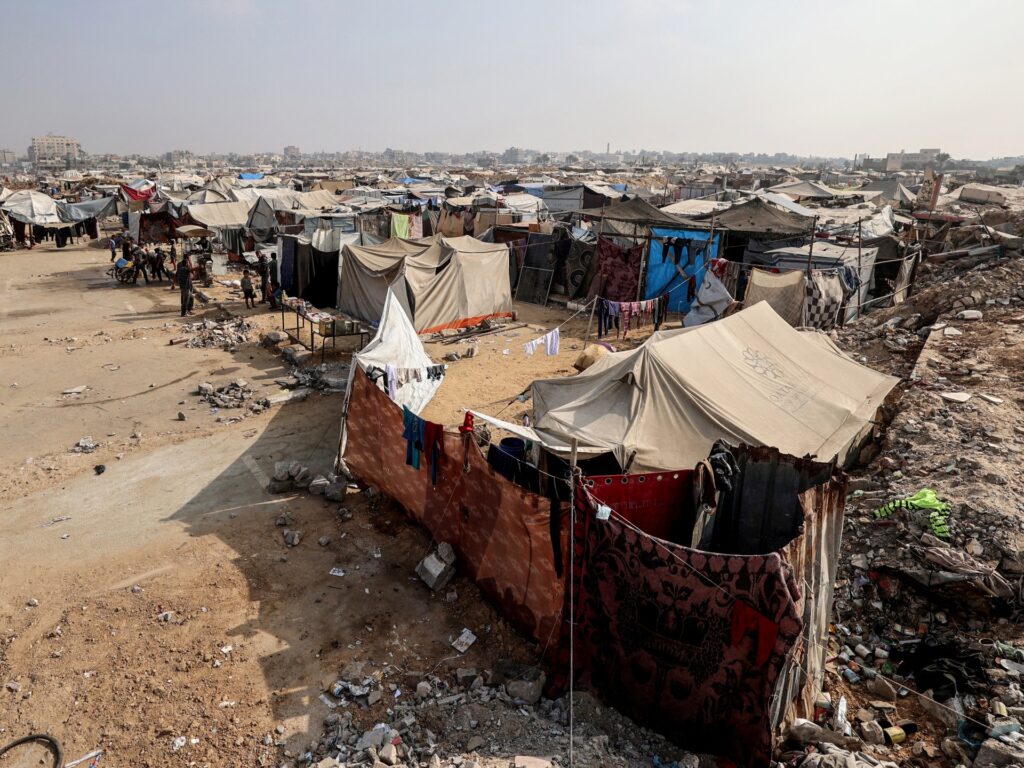
As Washington hails the next stage of a truce between Israel and Hamas, the situation on the ground in Gaza paints a far grimmer picture. Despite political efforts and international diplomatic gestures, the reality for Gazans remains one of devastation and despair.
The announcement of a ‘phase two’ to the ceasefire brings cautious optimism in diplomatic circles, but for most Gazans, this hope feels premature and disconnected from the harsh realities they endure daily. The truce, while celebrated abroad as a potential turning point, has yet to translate into meaningful relief for the population suffering under severe conditions.
Infrastructure in Gaza has been severely damaged, with essential services like electricity, water, and healthcare stretched beyond breaking point. Many hospitals operate on minimal power, struggling to care for the wounded and sick amid shortages of medical supplies. For residents, each day is a struggle for survival, overshadowed by the scars of ongoing conflict.
The economic collapse compounds these difficulties. With borders tightly controlled and imports restricted, Gaza faces a humanitarian crisis marked by widespread unemployment and food insecurity. The promised ceasefire phase two must address these systemic challenges to move beyond mere cessation of hostilities.
International reactions highlight a stark disconnect. While Washington and allied governments emphasize the diplomatic breakthrough and potential for peace, Gazans express skepticism and frustration. The promised improvements haven’t yet alleviated the immediate dangers of airstrikes or the long-term impacts of blockade and displacement.
Humanitarian organizations call for increased aid access and a sustained commitment to rebuilding Gaza’s shattered infrastructure. They warn that without addressing the underlying causes of conflict and deprivation, new phases of negotiation will falter.
Political analysts argue that ‘phase two’ should not just be about maintaining ceasefire lines but rebuilding trust and addressing humanitarian needs. Only then can hope begin to replace fear for Gaza’s people.
In conclusion, the next stage of the truce marks a diplomatic step forward, yet on the ground in Gaza, hope still feels out of reach. The gap between political promises and lived experiences underscores the immense challenges ahead. Until the voices of Gazans are heard and their needs met, the promise of peace will remain fragile and distant.