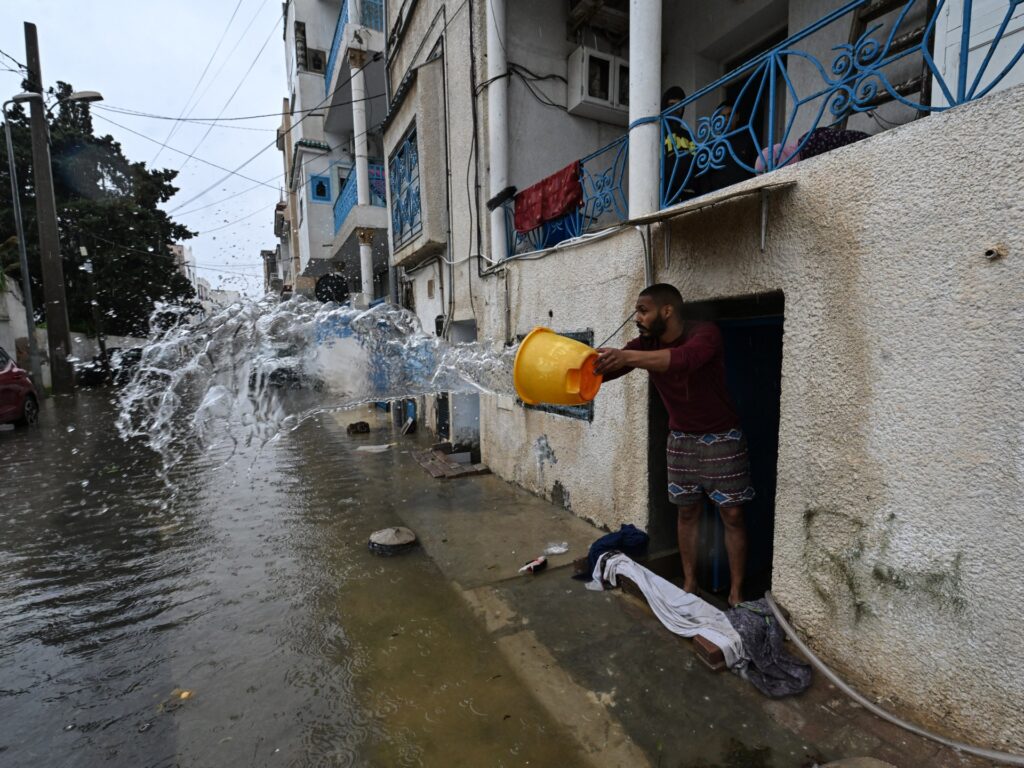
Tunisia is facing a severe natural disaster as record-breaking rainfall has led to devastating floods across multiple regions, including Monastir and Nabeul. This unprecedented weather event is the worst the country has experienced in 70 years, resulting in significant destruction and loss of life.
The intense and continuous downpour overwhelmed drainage systems and local infrastructure, causing rivers to overflow and streets to transform into dangerous waterways. The sudden and severe flooding has trapped residents, damaged homes, and disrupted essential services.
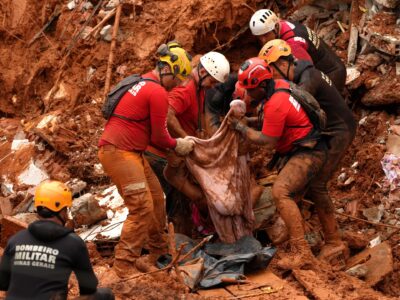
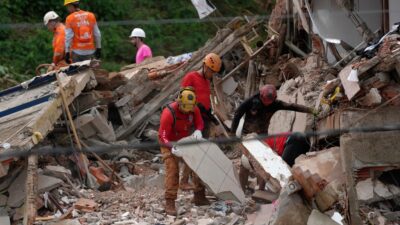
Authorities have confirmed the tragic deaths of four individuals due to the floodwaters. Emergency response teams are currently engaged in rescue operations to assist those stranded or affected by the flooding.
Monastir and Nabeul, two of the hardest-hit areas, are witnessing widespread damage. Roads are submerged, cutting off access to schools, hospitals, and markets. Power outages and communication disruptions have further complicated relief efforts.
Local governments have issued warnings, urging residents to stay indoors and avoid unnecessary travel. Shelters are being set up to provide refuge for displaced populations, and emergency supplies, including food and medical aid, are being mobilized.
Meteorologists warn that more rains could follow, potentially exacerbating the situation. This has prompted a call for heightened vigilance and preparedness among citizens and authorities alike.
The floods have also impacted agriculture, with fields inundated and crops destroyed, raising concerns over food security and the local economy.
International organizations and neighboring countries are monitoring the situation closely, ready to offer aid if requested.
This catastrophic weather event highlights the vulnerability of Tunisia’s infrastructure to extreme climatic conditions and calls for urgent investments in flood prevention and management.
Recovery efforts will require substantial coordination between government agencies, local communities, and international partners to address immediate needs and plan for long-term resilience.
In the wake of this disaster, Tunisian society is uniting to support affected families and rebuild affected areas, demonstrating solidarity in these challenging times.
The government has pledged to review and enhance disaster response protocols to better handle such emergencies in the future, aiming to mitigate damage and protect lives more effectively.
As Tunisia copes with the aftermath, the global community is reminded of the growing impact of climate change and the necessity for collaborative, proactive measures to address environmental risks worldwide.