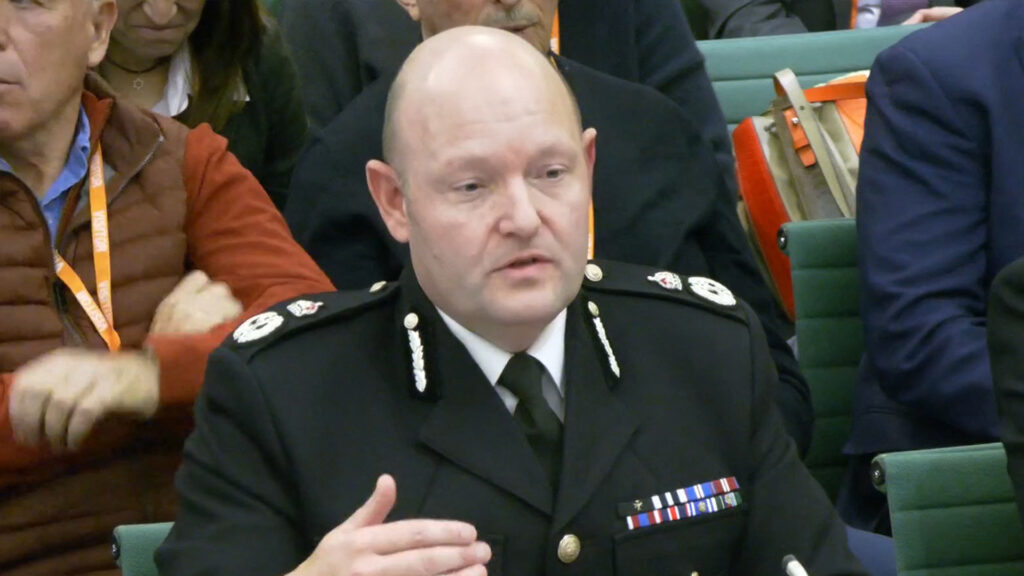
A UK police chief has stepped down in the wake of controversy surrounding the banning of Maccabi Tel Aviv football fans from attending a Premier League match against Aston Villa last year. The incident prompted widespread backlash from supporters, human rights groups, and political figures alike, eventually leading to the chief’s retirement.
The match took place at Aston Villa’s home stadium and was highly anticipated, with fans eager to witness the clash. However, prior to the event, the police announced a ban on visiting fans from Tel Aviv, citing concerns over potential security risks and heightened tensions. This decision sparked immediate criticism.
Critics argued that the ban unfairly targeted fans based on nationality and was discriminatory. Many viewed it as an overreach by law enforcement, which infringed upon the rights of football supporters to attend matches. Human rights organizations condemned the ban, highlighting that there was insufficient evidence to justify such measures.
The situation escalated as protests and media coverage intensified, putting additional pressure on law enforcement agencies and local government officials. The police chief, who authorized the ban, faced growing calls for accountability from various stakeholders and the public.
In response, the chief issued statements acknowledging the complexity of the situation and the intention to ensure public safety. However, these explanations failed to quell the dissent, which underscored broader debates around policing, community relations, and the intersection of sport and politics.
Following an internal review and consultation with political leaders, the police chief ultimately decided to retire from his position. This move was interpreted by some as a necessary measure to restore public trust and demonstrate accountability amid ongoing tensions.
The decision to ban Maccabi Tel Aviv fans had deeper implications beyond the football pitch. It highlighted ongoing challenges faced by law enforcement in balancing security concerns with civil liberties, especially in contexts involving international and cultural sensitivities.
Local authorities and football clubs have since been urged to work more closely to develop better risk assessment strategies and communication plans that respect the rights of all supporters while maintaining safety standards.
This incident serves as a reminder of the complexities involved in managing sporting events in diverse societies and the potential consequences of actions perceived as discriminatory or unfair.
Fans of Maccabi Tel Aviv and other teams are calling for clearer guidelines to prevent similar situations in the future, advocating for inclusive policies that do not single out specific groups unjustly.
The former police chief’s departure marks a significant moment for policing in the UK, prompting discussions on how agencies should approach security issues linked with international sporting events. There is a growing consensus that transparency, community engagement, and respect for human rights must be central to such decisions.
As the football season continues, clubs, fans, and law enforcement are closely monitoring how these lessons will influence future matches, hoping for a balance between excitement of the sport and the safety of all attendees.
In summary, the resignation of the UK police chief following the ban on Maccabi Tel Aviv fans showcases the broader challenges of policing multicultural events and the importance of maintaining trust between the public and law enforcement. It underscores the need for thoughtful, fair approaches to security that protect freedom without compromising safety.