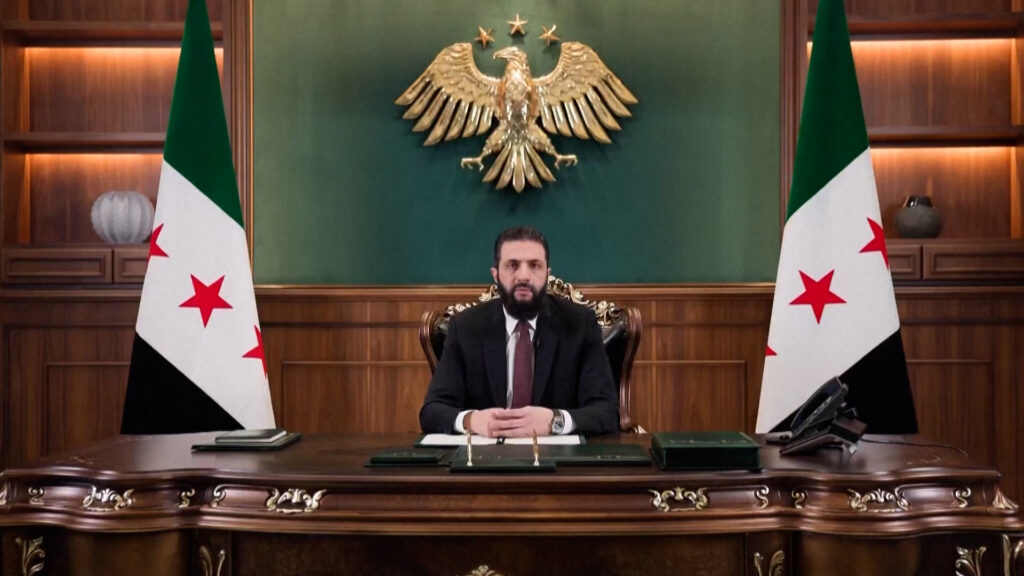
In a significant move that marks a turning point for minority rights in Syria, Ahmed al-Sharaa, a prominent Syrian official, has signed a decree aimed at restoring citizenship and language rights to Syrian Kurds. This decree comes after decades of systemic disenfranchisement and statelessness faced by many Syrian Kurds, who had long struggled for official recognition and equal rights within the country.
The Kurdish population in Syria, which constitutes a substantial minority, has historically faced discrimination and restrictions, particularly regarding their cultural and linguistic identity. For years, a considerable number of Syrian Kurds were denied citizenship, rendering them stateless and marginalizing them socially, economically, and politically.
Al-Sharaa’s decree is viewed as a landmark decision because it not only reinstates Syrian citizenship to many Kurds who had been excluded but also guarantees the right to use the Kurdish language. This recognition of language rights is essential for preserving Kurdish culture, education, and heritage, which had been suppressed under previous policies.
The decision has been welcomed by Kurdish communities and human rights activists who see it as a step toward reconciliation and inclusion. The restoration of citizenship allows affected individuals access to education, employment, healthcare, and political participation, which are fundamental rights previously withheld.
Experts highlight that this decree could pave the way for broader reforms in Syria’s approach to minority rights, potentially fostering greater national unity amid the long-standing conflict within the country. However, the implementation of these rights remains a critical challenge, as the situation on the ground in Syria is complex, with various factions and governmental authorities holding differing views on Kurdish autonomy and cultural rights.
International observers and organizations have expressed cautious optimism regarding al-Sharaa’s decree. They emphasize the need for thorough monitoring to ensure that the rights granted are effectively upheld and that Syrian Kurds can genuinely enjoy equal citizenship and cultural freedoms.
The decree is not only a political gesture but also a symbolic recognition of the Kurdish identity within Syria, signaling a possible shift toward more inclusive policies. Historically, Syrian Kurds have played an essential role in the region’s cultural mosaic, and their full integration into Syrian society is seen as crucial for the country’s future stability.
While challenges remain, including ongoing disputes and tensions in various parts of Syria, the restoration of citizenship and language rights represents a hopeful advance for Syrian Kurds. It highlights the evolving landscape of Syrian governance and the potential for greater respect for ethnic and linguistic diversity in the country.
In conclusion, Ahmed al-Sharaa’s decree is a landmark step in addressing the long-standing issues faced by Syrian Kurds. By restoring citizenship and language rights, Syria takes a vital stride toward acknowledging and respecting the rights of one of its key minority groups, fostering possibilities for peace, inclusion, and cultural preservation in the years to come.