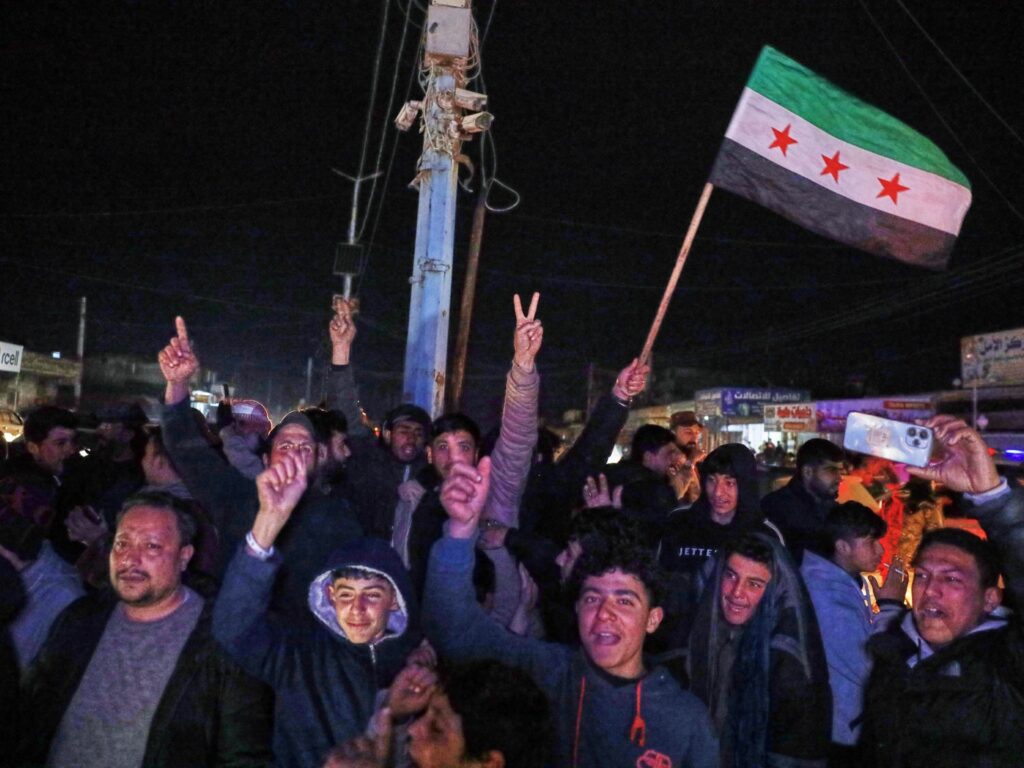
In a significant development amid the prolonged conflict in Syria, President Ahmed al-Sharaa has signed a landmark ceasefire agreement with the Kurdish-led Syrian Democratic Forces (SDF). This pact marks a critical step towards stabilizing the region and signals a commitment to peace and unity within Syria’s fractured landscape.
The ceasefire agreement focuses on the full integration of the Kurdish-led forces into the Syrian Arab Army, thereby aiming to unify armed factions under a singular national command. This move is anticipated to reduce hostilities, foster cooperation, and rebuild trust among warring groups.
The Syrian conflict, which has spanned over a decade, involves multiple factions including government troops, Kurdish forces, Islamist militants, and foreign actors. The Kurdish-led SDF has been a key player in the northeastern territories, controlling significant areas with a semi-autonomous governance structure.
This agreement is expected to have several implications:
1. Military Integration: Kurdish forces will be absorbed into the national military structure, ensuring coordinated defense efforts and diminishing fragmented armed activities.
2. Political Stability: The ceasefire paves the way for enhanced political negotiations and potential inclusion of Kurdish representatives in national governance.
3. Economic Recovery: Stability in conflict zones can encourage reconstruction projects and economic revival, benefiting civilian populations.
4. Regional Impact: The deal may alter dynamics with neighboring countries concerned about Kurdish autonomy and security.
President Ahmed al-Sharaa’s decision to endorse this ceasefire reflects an openness to reconcile with previously adversarial groups, prioritizing Syria’s territorial integrity and future stability. Kurdish leaders have expressed cautious optimism, emphasizing the importance of honoring the agreement and addressing Kurdish rights within Syria.
International observers have welcomed the ceasefire, viewing it as a constructive step towards ending hostilities and facilitating humanitarian assistance in war-torn areas. The United Nations and various global stakeholders have called for continued dialogue to cement peace and support Syria’s reconstruction efforts.
Despite the hopeful outlook, challenges remain. Implementation of the agreement requires careful management to prevent armed skirmishes, ensure equitable representation, and address longstanding grievances. Trust-building between Kurdish forces and the Syrian government will be crucial.
Civil society groups in Syria have also shown support, hoping this ceasefire can lead to a durable peace and improve living conditions for millions affected by years of conflict.
In summary, the ceasefire agreement signed by President Ahmed al-Sharaa and the Kurdish-led SDF is a pivotal moment in Syria’s turbulent history. Full integration of Kurdish forces into the Syrian Army symbolizes a move towards reconciliation and national unity. While the road ahead entails significant challenges, this development offers a renewed sense of hope for peace, stability, and rebuilding within Syria.