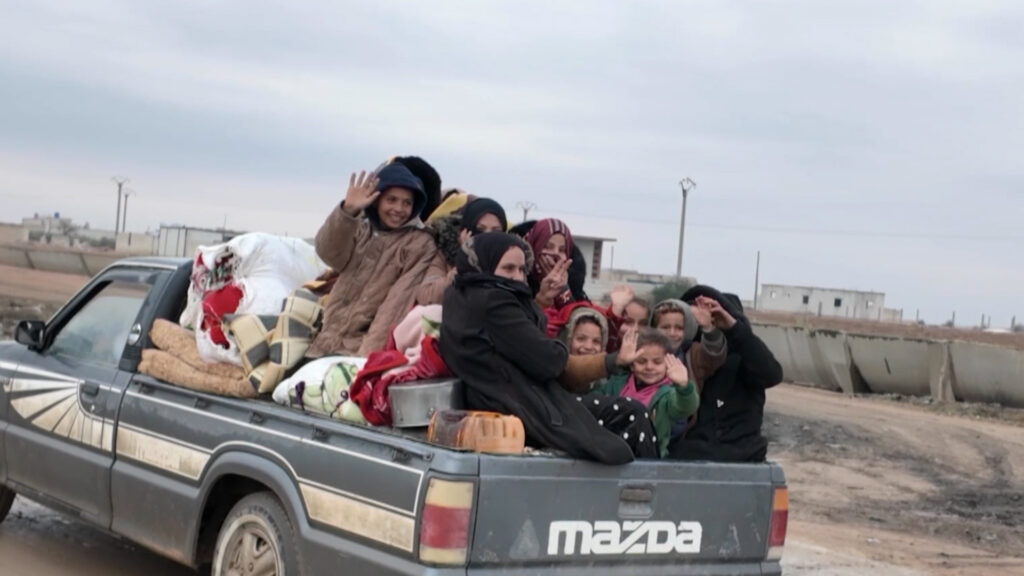
In the Syrian town of Deir Hafer, residents have erupted in celebration following a significant development in the ongoing conflict in the region. The Syrian army successfully pushed out the Syrian Democratic Forces (SDF) from the town, regaining control and marking a pivotal moment in the local battle for territory and influence.
Deir Hafer, located in northern Syria, has been a contested area with strategic importance in the complex web of forces operating in the country. The presence of the SDF, a Kurdish-led militia group, had been a point of tension given the various allegiances and interests at play in Syria’s multifaceted civil war.
The advance by the Syrian government forces represents a reclaiming of ground previously held by the SDF, which has controlled parts of northern Syria in coordination with international allies. This shift is seen by many residents as a restoration of Syrian sovereignty and federal authority over the region.
As news of the Syrian army’s success spread, scenes of jubilation were reported throughout Deir Hafer. Streets were filled with people expressing relief and joy through celebrations, underscoring the complex emotional landscape in a country ravaged by years of conflict. For some, the return of government forces may imply a hope for renewed stability and order.
Analysts note that the battle for Deir Hafer is emblematic of broader ongoing contests between the Syrian government and various non-state actors seeking control over key areas. The victory could have implications for future military and political strategies, affecting both localized dynamics and the overall trajectory of the Syrian conflict.
The interactions between the Syrian army and the Kurdish-led SDF have long been fraught with tension, fluctuating between hostile engagements and uneasy truces. The recent expulsion marks a fresh phase of assertiveness by the government forces, who continue to aim for full territorial consolidation.
This development also attracts attention from international observers engaged in the Syrian crisis, as shifts in control frequently influence diplomatic calculations and humanitarian responses. The outcome in Deir Hafer could set a precedent for how similar engagements might unfold in other contested regions.
Residents of Deir Hafer now face the challenge of rebuilding and navigating the complexities of renewed government presence. The transition period will likely demand reconciliation efforts, restoration of civic services, and measures to prevent further violence.
Overall, the liberation of Deir Hafer by the Syrian army is a noteworthy event in Syria’s ongoing saga, reflecting the enduring struggles, hopes, and realities faced by the population amid a protracted and multifaceted conflict.