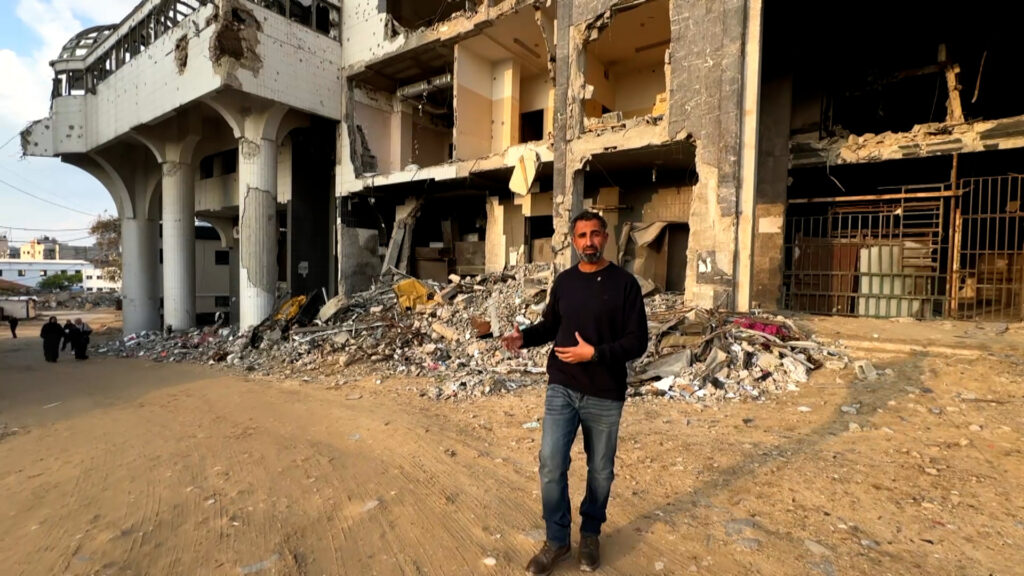
The situation in Gaza is raising significant concerns as Palestinians question Israel’s dedication to the second phase of a US-backed ceasefire agreement. This ceasefire deal, aimed at stabilizing the volatile region, has entered a critical juncture with the upcoming phase of implementation.
Following initial developments, many Palestinians remain skeptical about whether Israel will fully commit to the agreed terms. These doubts stem from past experiences and the complexity of implementing a sustained peace arrangement amid ongoing tensions.
The US-backed ceasefire plan was designed to halt hostilities and pave the way for long-term peace and reconstruction efforts in Gaza. Despite initial reductions in violence, the second phase poses challenges requiring cooperation and trust from both parties, which currently appears fragile.
Palestinian voices emphasize the need for tangible proof of Israel’s commitment before advancing further. They point to lingering fears of renewed conflict if ceasefire conditions are not met or enforced effectively. The international community continues to watch closely, hoping for a durable resolution.
As the ceasefire negotiations proceed, the focus remains on ensuring that humanitarian aid reaches those affected and that security arrangements foster stability. The success of phase two is critical in preventing a return to the cycle of violence that has devastated the region for years.
Overall, the unfolding situation reflects the fragile balance between hope and mistrust in the pursuit of peace in Gaza. The second phase of the ceasefire will be a pivotal moment for all stakeholders invested in ending the conflict and building a sustainable future.