Syria, a country that has been ravaged by over a decade of conflict, is now at a critical juncture in its quest for national unification. As the government regains control over resource-rich regions, the path to a unified Syria depends not only on territorial control but also on rebuilding trust among a fractured population.
The Syrian civil war, which began in 2011, shattered the country into fragmented zones controlled by various factions, including government forces, opposition groups, Kurdish-led administrations, and extremist organizations. This fragmentation has fueled power struggles not only among these groups but also impacted the country’s critical infrastructure, including its power lines and utilities.
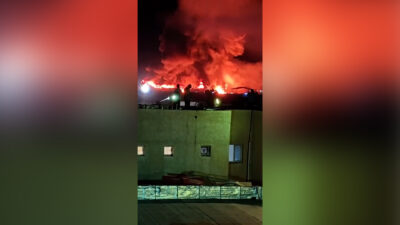
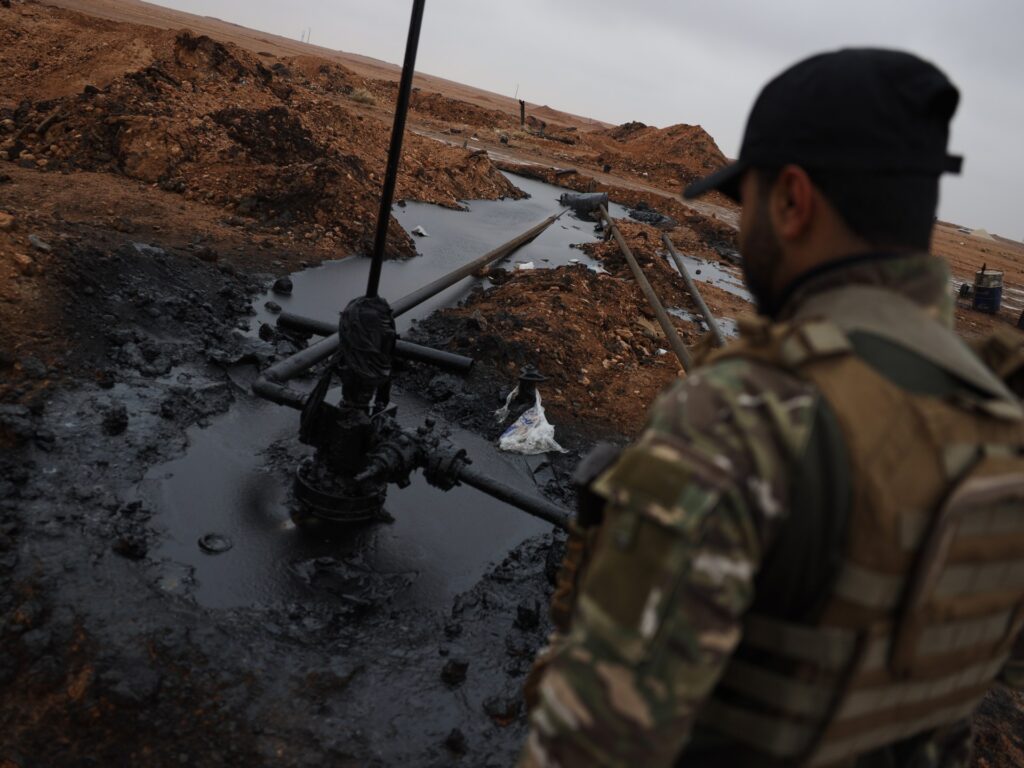
Recently, the Syrian government has made significant moves to reclaim control over key resource-rich areas, especially in the northeast, which are crucial for energy production and economic recovery. These areas include oil fields, natural gas reserves, and critical transit routes. Controlling these resources positions the government to rebuild economic stability and amplify its political leverage.
However, the mere reclamation of territories is not enough to reunify Syria. Decades of sectarian divisions, distrust, and grievances have left deep scars within Syrian society. The government’s control over resources must be paired with efforts to rebuild social cohesion and address the concerns of various ethnic and political groups.
Restoring power infrastructure is symbolic of the larger challenge of unification. Power lines that deliver electricity to homes and industries were severely damaged or neglected during the conflict, causing widespread hardship and limiting economic revival. Reconnecting these lines represents more than just restoring electricity; it symbolizes efforts to reconnect the nation’s diverse communities.
Internationally, Syria’s push for unification aligns with broader geopolitical interests. Neighboring countries and global powers have played significant roles in the conflict, each supporting different factions, which complicates the dynamics of reconciliation and reconstruction. The government’s advances in controlling resource corridors have altered the strategic landscape, sparking new dialogues about Syria’s future.
A critical element of these efforts is rebuilding trust. This process involves transparent governance, equitable distribution of resources, and assurances for minority rights. Initiatives to incorporate local governance structures and community-led peacebuilding efforts are essential to bridge divides.
The Syrian government faces monumental challenges ahead. Economic sanctions, war damage, displaced populations, and ongoing security concerns limit the pace of recovery. Nevertheless, the focus on restoring power lines and resource control highlights a tangible step towards national integration.
In conclusion, Syria’s journey toward unification hinges on much more than the military and territorial gains. It requires a comprehensive approach that includes social reconciliation, equitable resource management, and rebuilding infrastructure. The power lines that are being repaired across the nation are not only about electricity; they are a metaphor for the connections the Syrian people must rebuild to move forward as one nation.