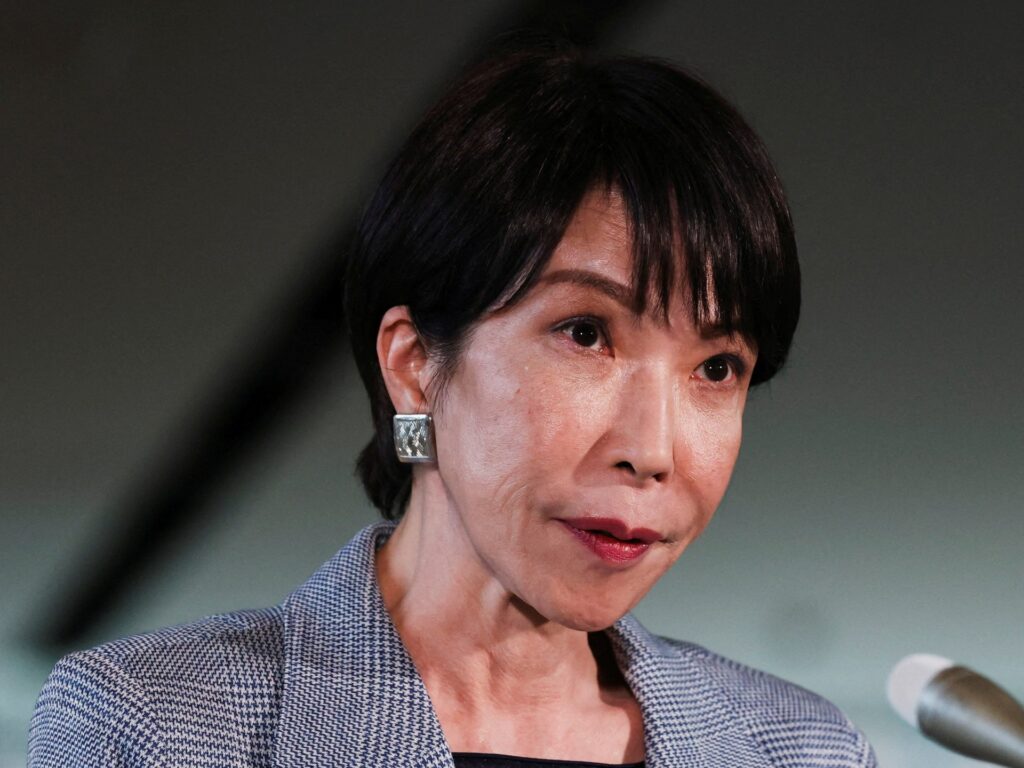
In a decisive political move, Japan’s Prime Minister Takaichi has announced the dissolution of the current parliament and the calling of a snap election. This announcement marks a significant development in Japanese politics, signaling potentially major shifts in the country’s political landscape.
The decision to dissolve parliament and call for a snap election usually occurs in Japan when the ruling party seeks a fresh mandate or when the Prime Minister deems it necessary to resolve legislative deadlock. In this instance, PM Takaichi has indicated that the move is aimed at reinvigorating the government and addressing pressing national issues with renewed public support.
Snap elections, which are elections called earlier than expected, can reshape the balance of power within Japan’s legislature. The timing and strategy behind PM Takaichi’s decision suggest that the current political environment is dynamic, with the Prime Minister seeking to capitalize on political momentum.
This election will be closely watched by both domestic and international observers, as Japan’s policies on several critical fronts including economic reform, defense, and foreign relations could be influenced by the outcome.
Political analysts note that PM Takaichi’s decision may reflect confidence in her party’s performance or an attempt to preempt opposition gains. The snap election campaign is expected to be intense, with various parties vying for seats in the parliament.
The exact date for the election has yet to be announced, but it is expected to take place within the coming weeks. The government is preparing for a swift transition period to ensure continuity in governance during the election process.
Businesses and markets are likely monitoring the situation closely, as political stability is a key factor influencing investor confidence and economic forecasts in Japan.
PM Takaichi’s announcement has already sparked discussions across political circles, media outlets, and among citizens, highlighting both the challenges and opportunities facing Japan’s political future.
As more details emerge, further analysis will be essential to understand the implications of this pivotal decision on Japan’s domestic policies and its role on the global stage.
This development underscores the fluid nature of political leadership in democratic nations and the ongoing need for governments to remain responsive to the changing needs and expectations of their populations.