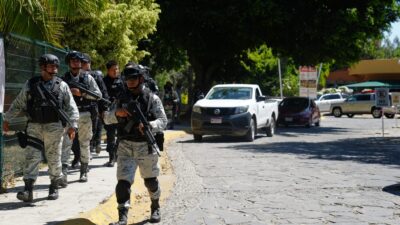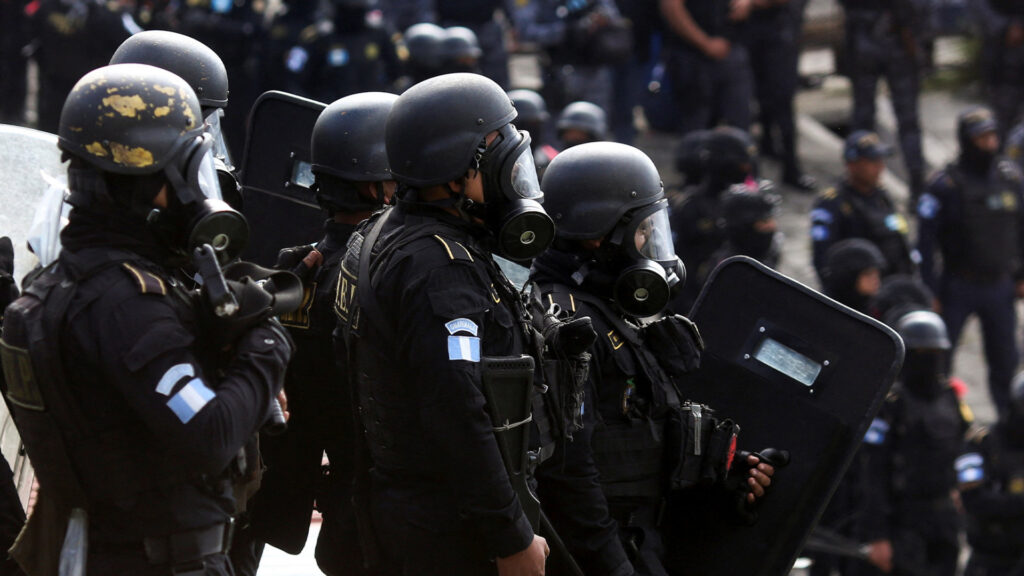
In response to a series of violent prison riots and coordinated gang attacks, the government of Guatemala has declared a 30-day state of emergency. The decision was made to quickly restore order, enhance security, and prevent further violence within the country’s correctional facilities and affected communities.
The recent unrest began with intense riots inside several of Guatemala’s overcrowded prisons, where rival gangs clashed aggressively. These disturbances quickly escalated, spilling over into coordinated external attacks orchestrated by gang networks attempting to exert control and create chaos.
Authorities have attributed the violence to longstanding gang rivalries and the challenges posed by the overcrowded and under-resourced penitentiary system. The government’s declaration of a state of emergency activates extraordinary measures, including increased military involvement, suspension of certain civil liberties, and heightened surveillance both in prisons and public spaces.
Prison uprisings in Guatemala have been a recurrent issue, reflecting persistent problems such as inadequate prison management, corruption, and lack of sufficient manpower to control violent inmates. Overcrowding remains a critical concern, often leading to deteriorated conditions that exacerbate tensions among inmates.
The 30-day state of emergency intends to provide the government with the legal framework needed to deploy security forces more assertively and conduct operations targeting gang activities both inside and outside prison walls. This period will also allow for a thorough investigation into the causes and consequences of the riots, as well as the implementation of measures to prevent recurrence.
Human rights organizations have urged the government to ensure that any emergency powers respect fundamental rights and focus on long-term solutions, such as prison reform and social programs aimed at reducing gang influence.
The international community has expressed concern over the situation, highlighting the need for sustained efforts to address the root causes of gang violence in Guatemala. Collaborative support from neighboring countries, law enforcement agencies, and non-governmental organizations will play a crucial role in stabilizing the security landscape.
Meanwhile, the government has called on citizens to remain calm and cooperate with authorities during this critical period. The challenges posed by entrenched gang networks require coordinated and comprehensive responses that balance security needs with respect for human dignity.
In summary, Guatemala’s declaration of a state of emergency marks a significant step in confronting the acute crisis triggered by prison riots and gang attacks. As the country grapples with these violent disruptions, the focus remains on restoring peace, enhancing public safety, and addressing the deep-seated issues that fuel criminal violence.