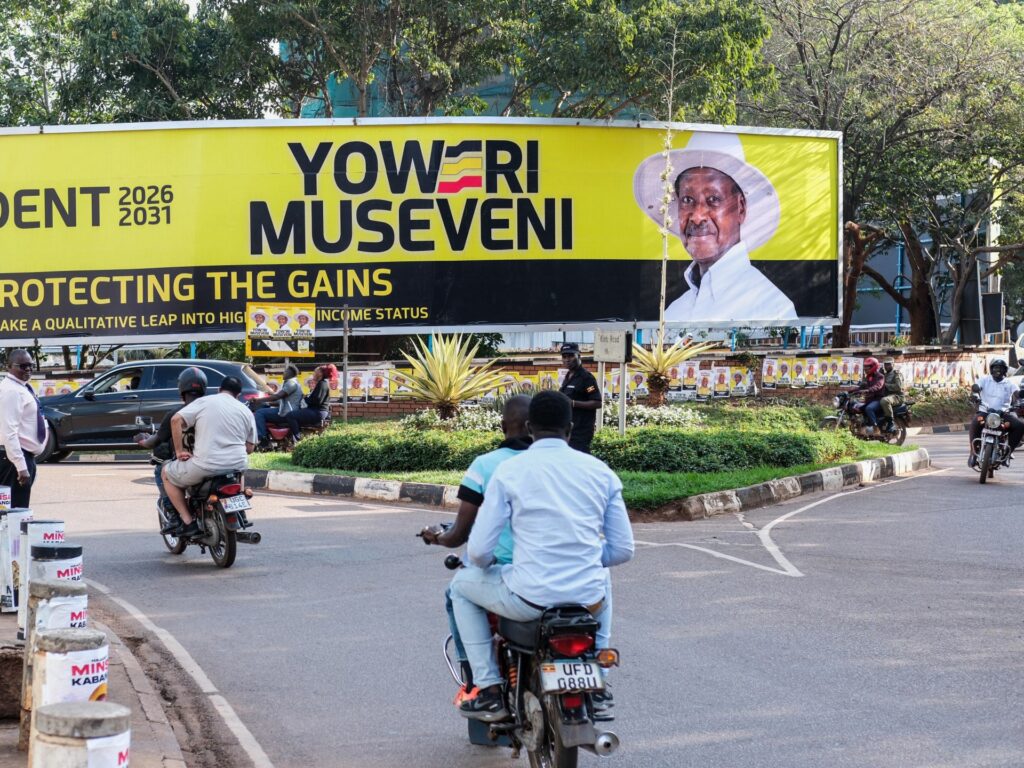
In many African countries, leaders such as Uganda’s Yoweri Museveni and Cameroon’s Paul Biya have managed to remain in power for decades, raising critical questions about democracy and governance in the region. These ‘leaders for life’ have utilized a combination of electoral tactics, constitutional amendments, and control over key state institutions to solidify their rule.
Yoweri Museveni, who has been president of Uganda since 1986, and Paul Biya, who has ruled Cameroon since 1982, exemplify this phenomenon. Both have extended their tenure through controversial elections that international observers often criticize for lacking transparency and fairness. The use of elections, despite their questionable integrity, offers a veneer of legitimacy that helps these leaders maintain an appearance of democratic governance.
Experts argue that these leaders exploit constitutional loopholes to bypass term limits and age restrictions. For instance, Museveni’s government has amended constitutional provisions multiple times to remove presidential term limits, allowing him to run for office indefinitely. Similarly, Biya has navigated constitutional constraints through legal maneuvers that ensure his continued presidency.
Beyond constitutional manipulation, control over the judiciary, electoral commissions, and security forces plays a crucial role. These leaders often dominate these institutions, reducing their independence and enabling suppression of opposition voices and dissent.
Additionally, strategic patronage networks help sustain their power bases. By distributing resources and government positions to loyalists, they reinforce political support and marginalize opponents. Such networks are often intertwined with the ruling parties, blurring lines between state and party interests.
Media control and restrictions on civil society further entrench their authority. Independent media outlets face censorship or are co-opted, limiting the public’s access to unbiased information. Civil society organizations encounter hurdles that reduce their capacity to hold leaders accountable.
However, prolonged rule by ‘leaders for life’ has drawn criticism for undermining democratic principles, stifling political competition, and hindering socioeconomic development. Opposition groups and international actors continue to call for stronger democratic reforms and respect for human rights.
The persistence of these long-serving leaders reflects broader challenges facing many African democracies, including weak institutions, economic dependencies, and geopolitical influences. Addressing these factors is essential for fostering political renewal and inclusive governance across the continent.
In conclusion, the longevity of leaders like Museveni and Biya is maintained through a blend of election manipulation, constitutional changes, institutional control, and patronage systems. This complex mix enables them to stay in power despite mounting calls for democratic change and accountability in Africa.