The U.S. Justice Department has announced that it will not investigate the fatal shooting of Renee Good by an ICE agent in Minnesota, a decision that has sparked widespread public outrage. The incident, which occurred in Minnesota, involved an Immigration and Customs Enforcement (ICE) agent who fatally shot Renee Good, leading to calls from community activists, civil rights groups, and the public for a federal investigation into the use of lethal force.
Renee Good, whose death has become a catalyst for protests and demands for accountability, was at the center of a tragic encounter that raised serious questions about law enforcement protocols and the role of ICE agents in community policing. The local investigation into the shooting had been ongoing, but many were anticipating federal intervention to ensure a thorough and impartial review.
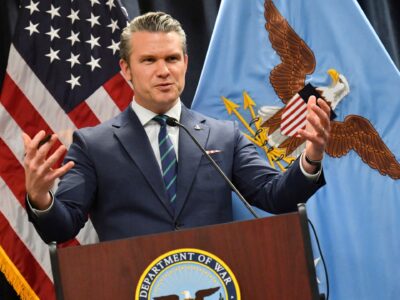
The Justice Department’s statement clarified that after a comprehensive review of available evidence and circumstances surrounding the shooting, it would not open a federal investigation. This decision has been met with disappointment and anger from those who believe federal oversight is crucial to address potential violations of civil rights and to provide justice for Renee Good’s family.
Community leaders and advocacy groups criticized the DOJ’s stance, emphasizing the need for transparency and accountability in cases involving fatal police encounters, especially those linked to federal agencies like ICE. Many fear that without federal scrutiny, systemic issues within ICE and broader law enforcement agencies may remain unaddressed.
Supporters of the DOJ’s decision argue that the department’s review was thorough and that the evidence did not warrant further investigation. They underline the importance of respecting investigative processes and caution against politicizing tragic events.
The Minnesota incident highlights ongoing national debates over law enforcement use of force, federal versus local jurisdiction in such cases, and the role of immigration enforcement in communities. Public demand for reform continues, with calls for new policies aimed at reducing deadly encounters and enhancing accountability.
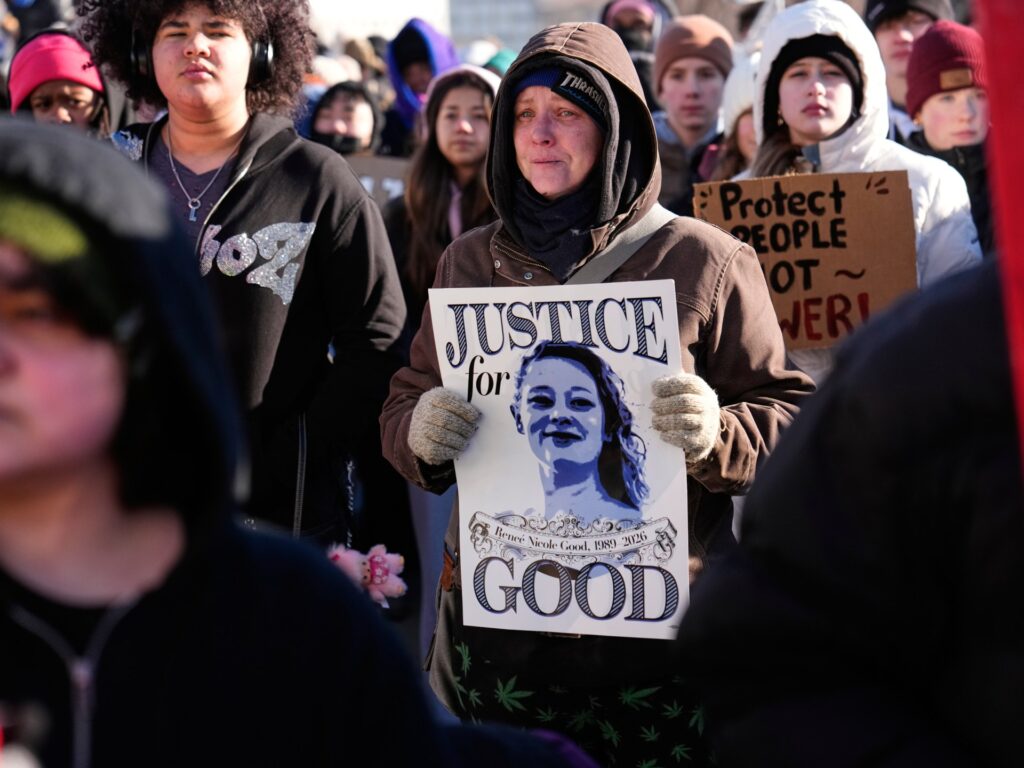
In response to the DOJ’s announcement, activists have organized vigils and public forums to honor Renee Good’s memory and to push for legislative changes. Lawmakers are also being urged to reconsider oversight frameworks and to enhance protections for individuals in encounters with federal agents.
As the community grapples with the fallout from this decision, the conversation around policing practices, federal involvement, and civil liberties remains a critical and evolving issue nationwide. The tragic death of Renee Good serves as a somber reminder of the human impact behind these complex legal and policy discussions.