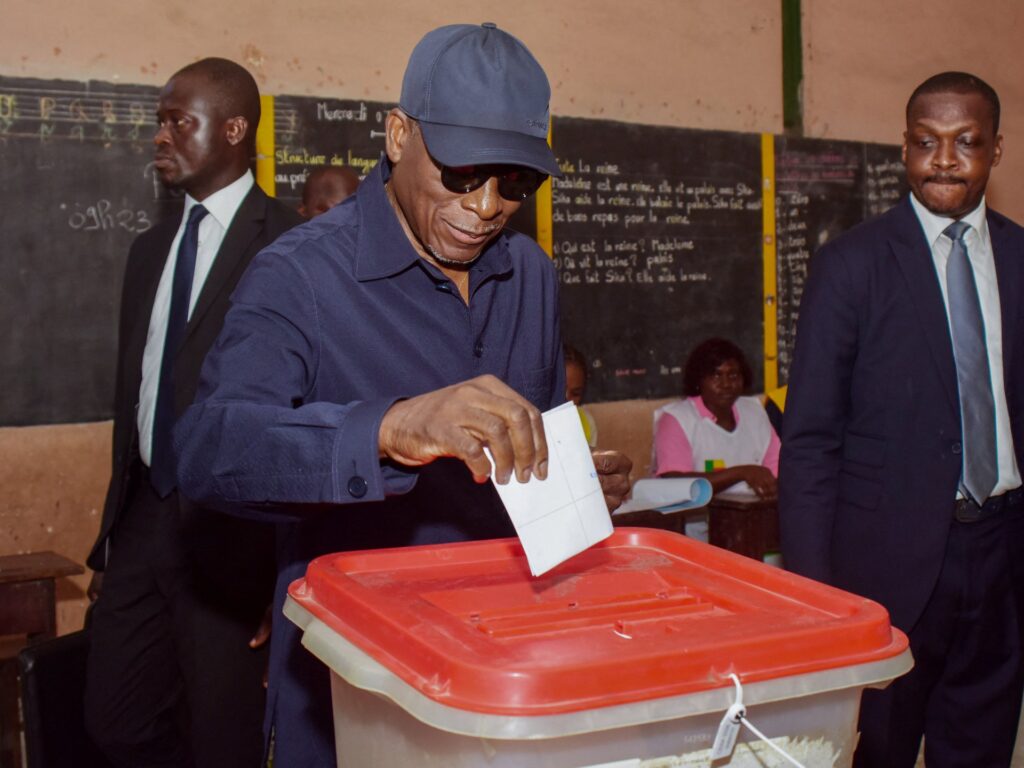
In a striking development from Benin’s recent parliamentary elections, provisional results have revealed that opposition parties failed to secure a single seat in the National Assembly. According to the country’s electoral commission, two political parties aligned with President Patrice Talon have won all 109 available seats, consolidating his political dominance in the legislative branch.
This election outcome represents a significant shift in Benin’s political landscape, as opposition parties have historically contested and held various seats in the National Assembly. The two victorious parties have effectively eliminated all opposition representation, raising questions about the future of multiparty democracy and political pluralism in the country.
President Patrice Talon, first elected in 2016 and re-elected in 2021, has focused much of his presidency on economic reforms and improving governance. His alignment with the two parties that now control the assembly suggests a stronger legislative backing for his policies and reform agenda.
The elimination of opposition lawmakers may impact the legislative scrutiny and debate traditionally expected in a democratic assembly, potentially leading to concerns about the checks and balances in governance. Critics and international observers have highlighted that the absence of opposition voices could undermine democratic practices and reduce political accountability.
The electoral commission’s announcement follows a tense campaign period marked by controversies. Opposition leaders had accused the government of limiting the political space and restricting freedom of expression, claims that the ruling parties have denied. The conditions under which the election was held are now under intense examination by civil society groups and international watchdogs.
Analysts believe this election outcome could deepen political polarization within Benin and spark protests or calls for reform from opposition supporters. Historically, Benin has been seen as a stable democracy in West Africa with peaceful transfers of power, but this election result challenges that narrative.
The two parties aligned with President Talon have vowed to govern in a manner that includes all citizens, despite their political dominance. Their ability to address national issues effectively while managing criticism and dissent will be critical to maintaining stability.
The international community has expressed cautious concern over the election results. Several foreign governments and international organizations emphasized the importance of inclusive political dialogue and the need for vibrant opposition to safeguard democratic health.
Moving forward, the political dynamics in Benin will be closely watched as the new assembly convenes and sets the legislative agenda. The consolidation of power by the ruling parties could either lead to accelerated reforms or increased political tensions, depending on how governance is handled.
For the opposition, the loss of all seats marks a significant setback, but it also presents an opportunity to reassess strategies, engage with supporters, and prepare for future political participation.
In summary, Benin’s latest parliamentary election results have reshaped the country’s political arena, with President Talon’s allied parties claiming all seats and eliminating parliamentary opposition, highlighting challenges and uncertainties for the nation’s democratic future.