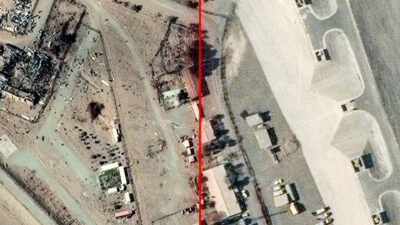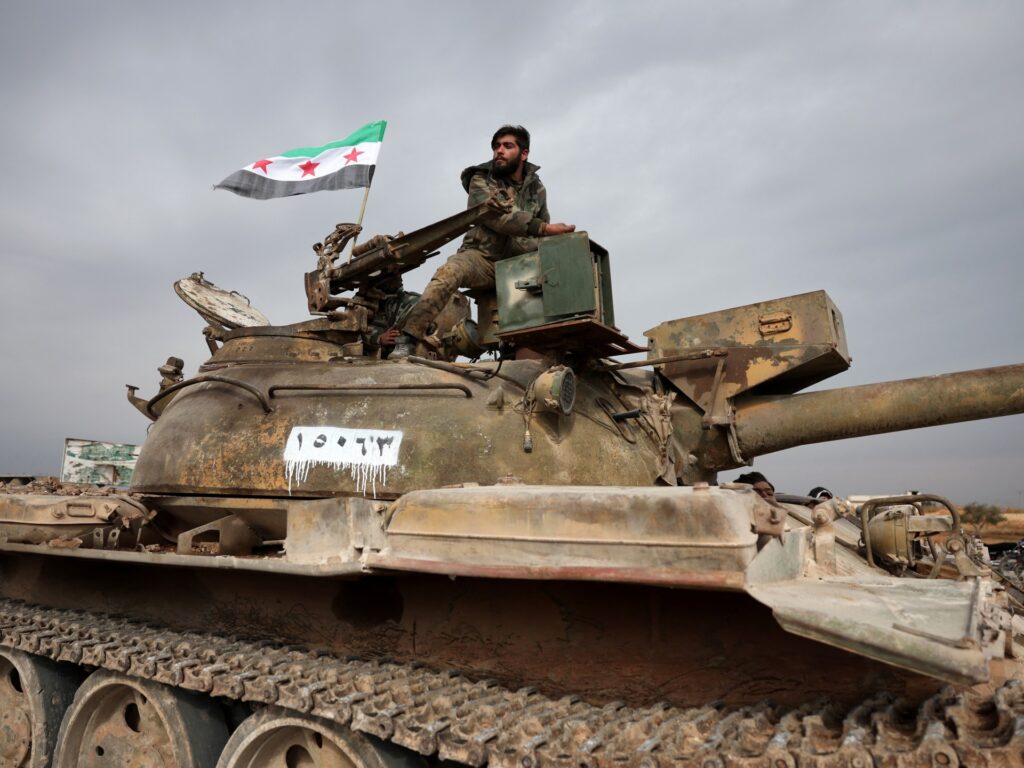
The United States has urged for a de-escalation of tensions in northern Syria as the Syrian Arab Army (SAA) advances into Kurdish-held regions. This development has escalated concerns over stability in the area following accusations from the Kurdish-led Syrian Democratic Forces (SDF) that Syrian government troops are violating a prior withdrawal agreement.
The Syrian army’s recent push into key towns and strategic oilfields in northeastern Syria marks a significant shift in control dynamics within the region. The Kurdish-led SDF, which has maintained a stronghold over parts of northeastern Syria, claims the Syrian forces’ movement undermines the agreed terms intended to prevent direct conflict between these forces.
The situation is complex, involving long-standing geopolitical interests. The Kurdish forces, backed by the US-led coalition against ISIS, have historically controlled significant swathes of territory and resources, including vital oilfields. The Syrian government seeks to regain full sovereignty over its national territory, including these Kurdish-held regions, seeking to reassert influence and control.
Recent clashes and Syrian army advances have been reported to involve towns that are critical both strategically and economically, intensifying concerns about the potential for renewed violence in an already war-torn country. The SDF accuses the Syrian army of breaching withdrawal agreements, which were meant to stabilize the region and prevent conflict escalation.
Washington’s call for de-escalation underscores worries that increasing hostilities could undermine broader regional efforts to maintain security and fight extremist groups. The US has stressed the importance of adherence to withdrawal deals and encouraged dialogue between parties to address their differences peacefully.
Analysts warn that any further escalation risks destabilizing northern Syria and complicating international efforts aimed at peace and reconstruction. The evolving situation demands careful diplomatic engagement to balance the interests of the Syrian government, Kurdish forces, and international stakeholders.
The backdrop to this confrontation includes decades of tension between Kurdish forces seeking autonomy and the Syrian government’s efforts to reassert control. The recent movements by Syrian troops signify a potential turning point in the conflict and highlight the fragile nature of ceasefire arrangements.
As the Syrian army consolidates its presence in newly captured areas, questions remain about the future governance of these towns and oilfields. Kurdish leadership has vowed to resist what it calls incursions into its territories, signaling that the conflict is far from over.
The international community watches closely as the US and other powers urge caution and negotiations. The situation remains fluid, with potential implications not only for Syria’s internal stability but also for regional security and international relations.