Former U.S. President Donald Trump has called on Turkish President Recep Tayyip Erdogan and Egyptian President Abdel Fattah el-Sisi to join a proposed ‘board of peace’ that would oversee the temporary governance of Gaza. This initiative aims to supervise Gaza, which has been under a fragile ceasefire since October following recent conflicts.
The proposed board would function as a temporary governing entity, with the goal of stabilizing the volatile region and preventing further outbreaks of violence. Gaza has experienced repeated cycles of conflict in recent years, with ceasefires often proving tenuous and short-lived. The involvement of regional powers such as Turkey and Egypt reflects their strategic interests and influence in Middle Eastern affairs.
Trump’s proposal comes amid ongoing international efforts to quiet the unrest in Gaza and provide a platform for longer-term peace negotiations. Turkey, under Erdogan’s leadership, has been a vocal supporter of Palestinian causes, while Egypt under el-Sisi has traditionally played a mediating role in Gaza-related conflicts given its geographic and diplomatic proximity.
The ceasefire in place since October has been marked by uncertainty; while hostilities have paused, political tensions remain high. The role of the board would be to provide oversight and coordination of governance activities to maintain order and facilitate humanitarian aid and reconstruction efforts.
Experts note that the involvement of Turkey and Egypt could provide a balanced approach to managing Gaza’s internal challenges, given their differing relationships with various Palestinian factions. Erdogan’s Turkey has lent vocal and material support to Hamas, while Egypt has maintained a more cautious stance, often brokering ceasefires and controlling the flow of goods and people through its border with Gaza.
Trump’s proposal is seen as a pragmatic step toward engaging influential regional players in the peace process. By forming a joint board, the hope is to create a governance mechanism acceptable to all parties involved, potentially allowing for more effective administration and reducing the risk of resumed conflict.
International reactions to the proposal have been mixed but generally acknowledge the importance of regional involvement. The United Nations and other international bodies have often called for inclusive governance structures to create sustainable peace in Gaza.
Critics warn that the success of such a board depends on the willingness of all parties to cooperate genuinely and the ability of the board to operate independently without infringing on Palestinian sovereignty.
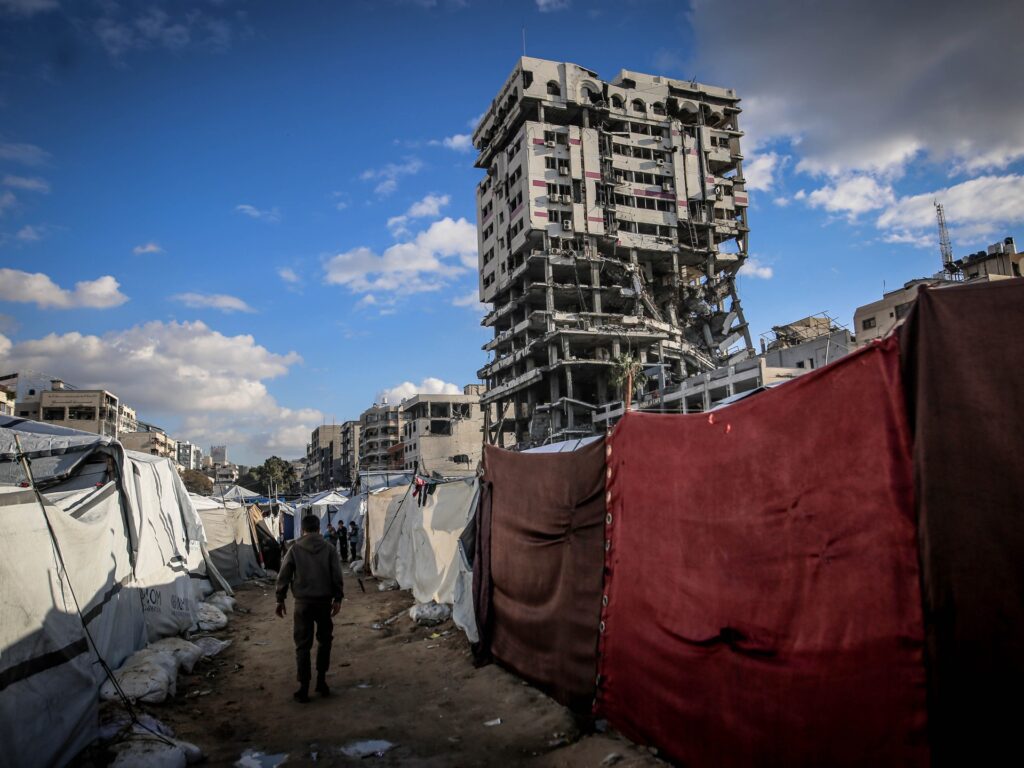
Meanwhile, the humanitarian situation in Gaza remains dire, with widespread destruction and limited access to essential services. The board’s temporary governance could play a critical role in coordinating aid and rebuilding efforts while providing a model for governance that might be expanded upon in future peace initiatives.
As this plan develops, the international community watches closely, hopeful that this new governance arrangement will contribute to lasting peace and stability in Gaza. The collaboration of Erdogan and el-Sisi, both key regional leaders, represents a significant step toward a collective approach to one of the Middle East’s most persistent and complex conflicts.