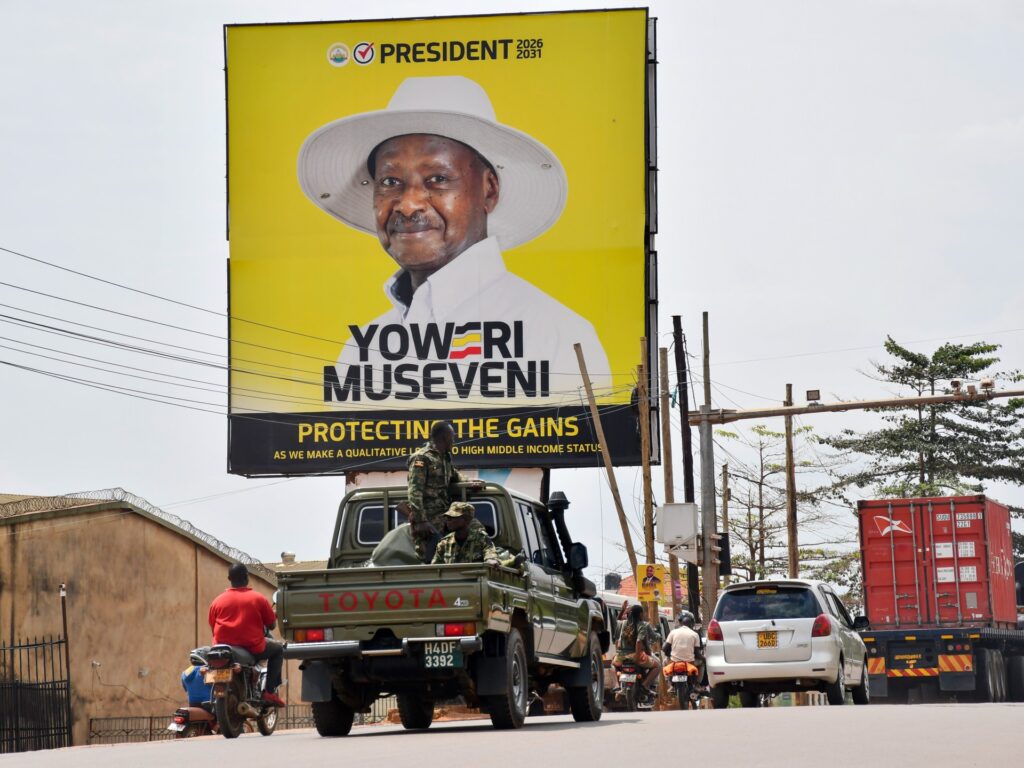
In a significant political development, Uganda’s President Yoweri Museveni has secured a seventh term in office. This historic victory adds to Museveni’s long-standing leadership, marking over three decades in power since he first took office in 1986.
The election, which drew considerable attention both domestically and internationally, saw President Museveni maintain his hold on the nation amid a competitive political atmosphere. His victory underscores the enduring support he commands within Uganda despite challenges and controversies over the years.
Throughout his tenure, Museveni has been credited with bringing relative stability and economic development to Uganda. However, his rule has also been criticized by opponents and human rights groups who raise concerns about governance, political freedoms, and democratic processes.
The latest election cycle was closely monitored, with observers noting the heightened tensions and intense campaigning leading up to the vote. Museveni’s main opposition, while vocal and active, was unable to unseat the incumbent president amidst the established political machinery.
This seventh term win means President Museveni will continue to guide Uganda’s policies and governance for the next five years. Supporters hail the victory as a mandate to continue advancing Uganda’s development agenda, while critics call for reforms and greater political inclusivity.
As Uganda moves forward under Museveni’s leadership, the international community watches closely to see how the government navigates challenges such as economic growth, public health, and regional relations in East Africa.
President Museveni’s extended presidency highlights both his political resilience and the complexities of Ugandan politics. The coming years will be crucial in shaping the future trajectory of the nation as it balances governance continuity with demands for change and progress.