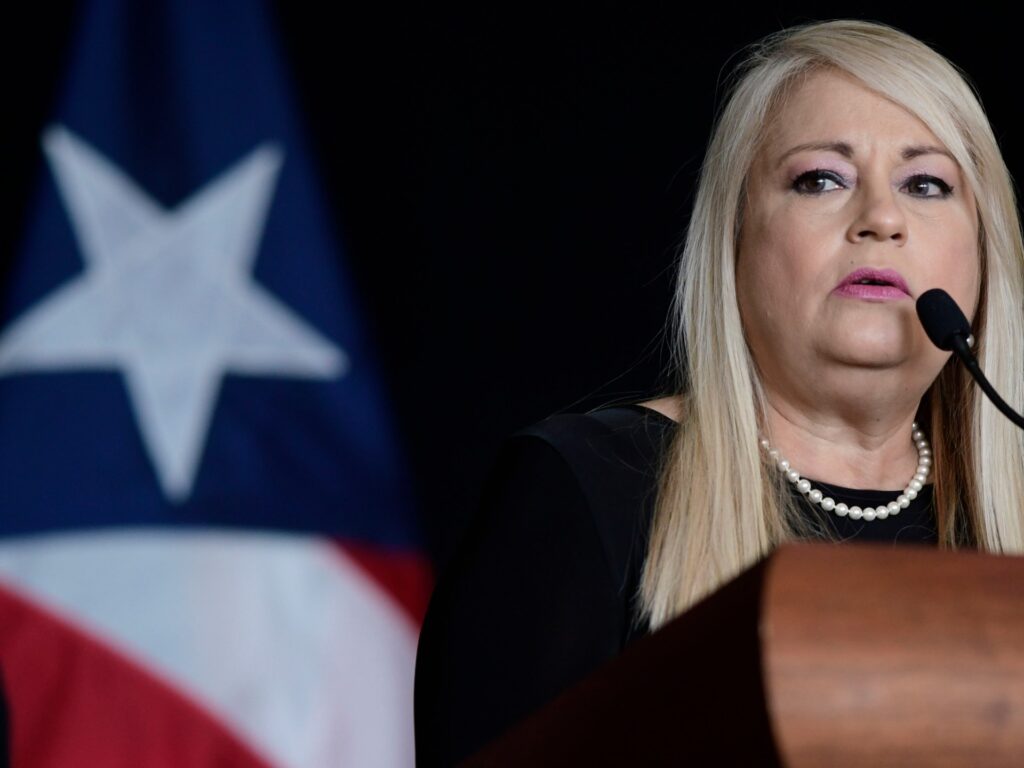
In a significant development, former U.S. President Donald Trump announced plans to pardon Wanda Vazquez, the former Governor of Puerto Rico, following her acceptance of a plea deal in 2025. Vazquez, who served as governor from 2019 to 2021, faced accusations of participating in a bribery scheme during her time in office. The plea deal concluded the legal proceedings against Vazquez, who agreed to cooperate with authorities.
The bribery allegations centered on claims that Vazquez engaged in corrupt activities involving government contracts and illicit financial exchanges. The investigation unearthed evidence suggesting that certain contracts were awarded improperly in exchange for kickbacks, implicating various officials and intermediaries.
Vazquez’s acceptance of the plea deal was seen by many as an attempt to mitigate the consequences of the charges and move forward from the legal turmoil. The details of the plea include a reduced sentence and the cooperation clause that could assist prosecutors in further investigations.
President Trump’s decision to issue a pardon has stirred a mix of reactions among political circles and the public. Supporters of Vazquez argue that the pardon is an act of justice, noting her contributions to Puerto Rico during her governorship, especially amid the island’s recovery from natural disasters. Critics, however, view the pardon as controversial, potentially undermining efforts to combat corruption in Puerto Rico’s government.
The pardon effectively absolves Vazquez of the legal ramifications stemming from the bribery charges, restoring her civil rights and enabling her to engage more fully in public life. Historically, presidential pardons have been used to correct judicial excesses or show clemency, but they often come under scrutiny when connected to politically sensitive cases.
Vazquez’s tenure as governor included navigating the aftermath of Hurricane Maria and addressing economic challenges. Her administration was marked by contentious political moments, but also efforts aimed at rebuilding and revitalizing Puerto Rico’s infrastructure and economy.
The legal saga surrounding the bribery accusations highlighted broader concerns about governance and ethical standards among public officials in Puerto Rico. Anti-corruption advocates emphasize the need for transparent institutions and accountability to restore public trust.
The implications of the pardon extend beyond Vazquez, reflecting on Trump’s presidential legacy regarding the use of pardon powers. His tenure saw numerous pardons granted to high-profile figures, shaping public discourse on justice and presidential authority.
As the news spreads, the situation remains dynamic, with potential legal and political repercussions unfolding as Puerto Rico and the United States grapple with issues of governance, corruption, and reconciliation. The pardon marks a pivotal moment in the ongoing dialogue about leadership accountability and the rule of law.