The ongoing conflict in Gaza continues to escalate with recent Israeli raids leading to a rising number of casualties despite the existence of a ceasefire agreement. The situation remains highly volatile as attacks persist in the region, causing increased concern among the international community.
In a notable development, it has been reported that Turkish President Recep Tayyip Erdogan and Egyptian President Abdel Fattah el-Sisi have been invited by former U.S. President Donald Trump to participate in a Gaza board. The details and objectives of this board have not been fully disclosed, but the invitation signals an attempt to involve key regional leaders in addressing the crisis.
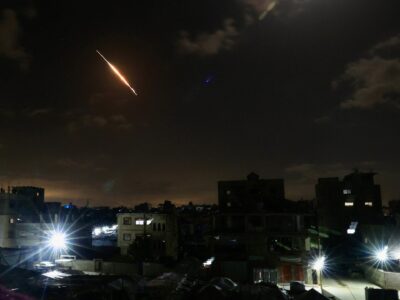
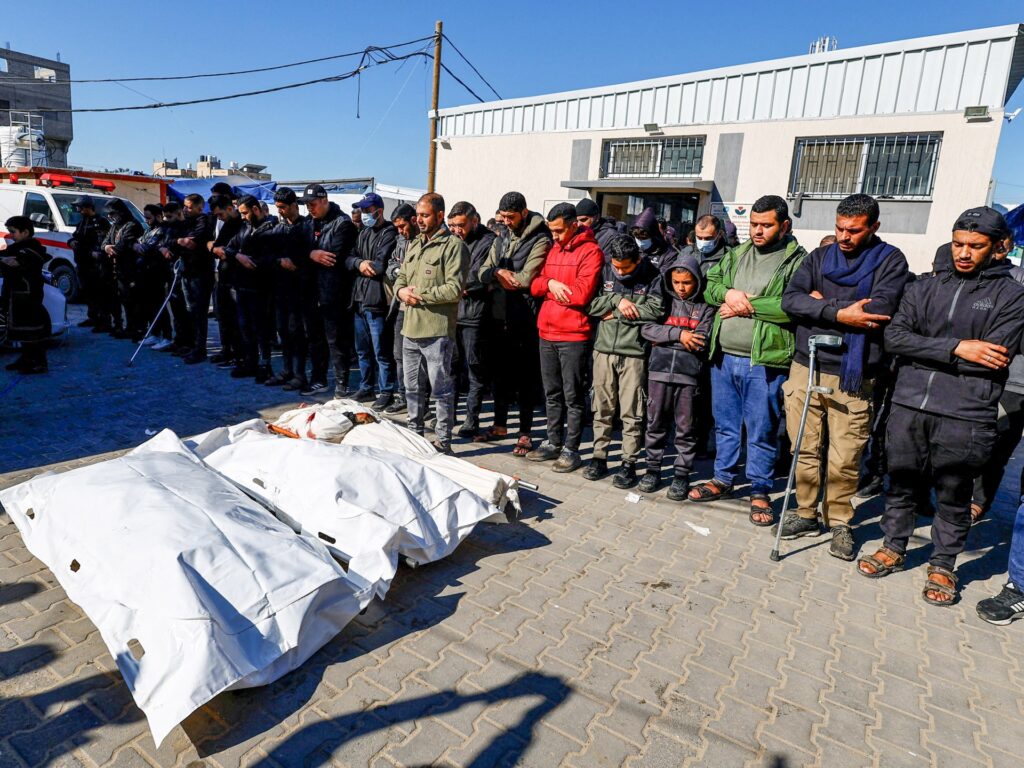
The conflict in Gaza has witnessed a spike in violence, with Israeli military operations targeting various locations amid ongoing hostilities. Casualty numbers have surged, exacerbating the humanitarian situation in the area.
Efforts to maintain a ceasefire have faced significant challenges as both sides accuse each other of violations. The ceasefire agreement, which was meant to halt aggressive actions, has been undermined by persistent attacks, undermining hopes for immediate peace.
International calls for calm and negotiations continue, with global powers urging restraint and dialogue to prevent further deterioration of the situation. The involvement of leaders like Erdogan and el-Sisi could provide an opportunity for diplomatic intervention, given their influence in the region.
Turkey and Egypt have historically played roles in mediating Middle Eastern conflicts and advocating for peace initiatives. Their engagement through the proposed Gaza board, as suggested by Trump, might aim to facilitate negotiations between conflicting parties.
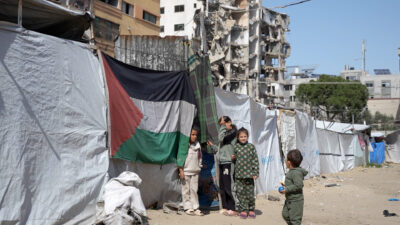
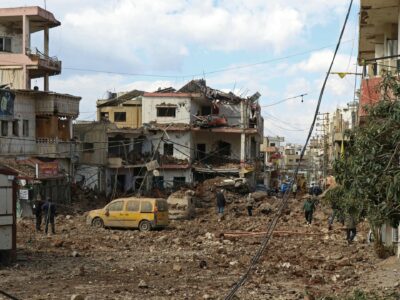
The humanitarian crisis in Gaza is intensifying, with civilian casualties mounting and infrastructure damage complicating relief efforts. Aid organizations are warning of worsening conditions, emphasizing the urgent need for cessation of violence.
Despite international pressure, the conflict’s root causes remain deeply entrenched, involving complex political, social, and territorial disputes. Sustainable peace will require comprehensive dialogue and compromises from all stakeholders.
As events unfold, the global community watches closely, hoping that diplomatic channels and proposed initiatives like the Gaza board can contribute to de-escalation and long-term resolution.
The current phase of the conflict underscores the fragile nature of peace agreements in the region and the critical need for proactive and cooperative conflict resolution mechanisms involving influential leaders and policymakers.