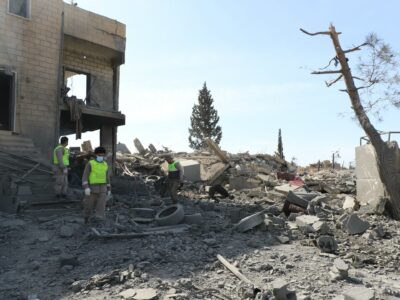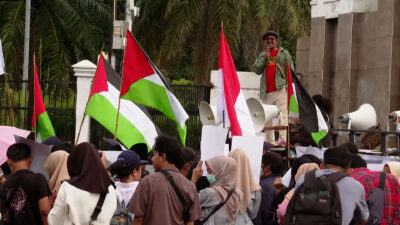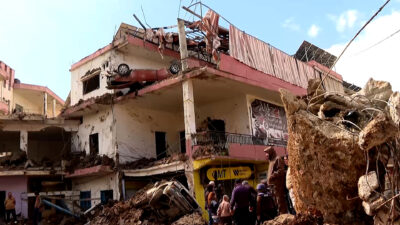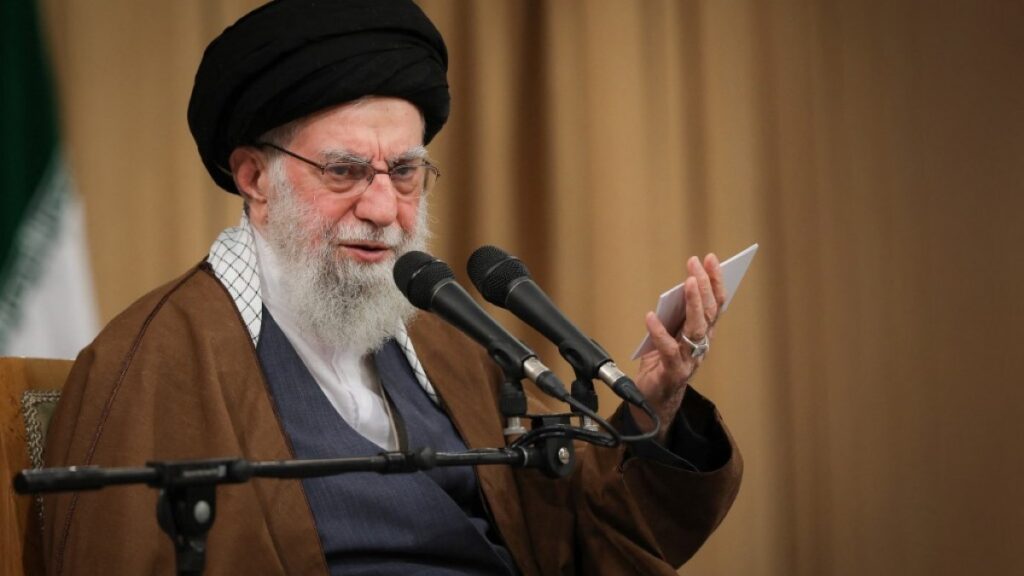
Iran’s Supreme Leader Ayatollah Ali Khamenei has issued a strong condemnation of recent protests in the country, blaming foreign adversaries, specifically the United States and Israel, for orchestrating unrest that has led to widespread casualties and damage. According to Khamenei, these foreign-backed protests are responsible for ‘‘thousands killed’’ and have inflicted ‘‘massive damage’’ across Iran.
The protests erupted amid various economic and social grievances within the country, but Khamenei’s statements suggest a narrative that external forces are intensifying internal conflicts to destabilize the nation. He firmly accused the US and Israel of playing a central role in fomenting the violence and chaos seen during the demonstrations.
The Supreme Leader’s remarks highlight the deep suspicion and hostility Tehran holds towards Western governments, which it often accuses of meddling in Iran’s domestic affairs. The accusation comes at a time when Iran faces multiple challenges, including economic sanctions, regional tensions, and internal dissent.
Khamenei’s comments were made during a public address aimed at rallying national unity and resilience against what he described as ‘‘enemies’’ trying to weaken Iran. Such rhetoric is not unusual in Iranian political discourse, especially during periods of unrest when the government seeks to frame protests as the work of external enemies rather than purely domestic grievances.
The protests, which have been ongoing in various parts of the country, reportedly stem from economic hardships, government policies, and political dissatisfaction. However, the government narrative insists that foreign powers exploit these issues as a pretext to incite violence.
International human rights organizations have expressed concern over the number of deaths and injuries resulting from the government’s crackdown on protesters. These groups call for accountability and express alarm over the use of force against civilians exercising their right to peaceful assembly.
Khamenei’s allegations against the US and Israel reflect a broader geopolitical struggle in the Middle East, where Iran finds itself at odds with these countries on multiple fronts. The Supreme Leader’s accusations underscore the enduring tension and lack of trust that characterize Iran’s relations with the West.
While the government condemns what it terms foreign interference, some analysts argue that acknowledging internal problems and addressing legitimate public grievances could help alleviate tensions. The official narrative of foreign plots risks overshadowing the genuine concerns of Iranian citizens.
The statements made by Khamenei may influence Iran’s domestic and foreign policy decisions moving forward, potentially justifying increased security measures and tough responses to opposition. It also signals to international actors that Iran remains vigilant against perceived threats to its sovereignty and stability.
In conclusion, the accusation by Iran’s Supreme Leader that the US and Israel are behind the deadly protests adds another layer of complexity to the ongoing unrest within the country. It highlights the intersecting dynamics of domestic discontent and international rivalry that continue to shape Iran’s political landscape.