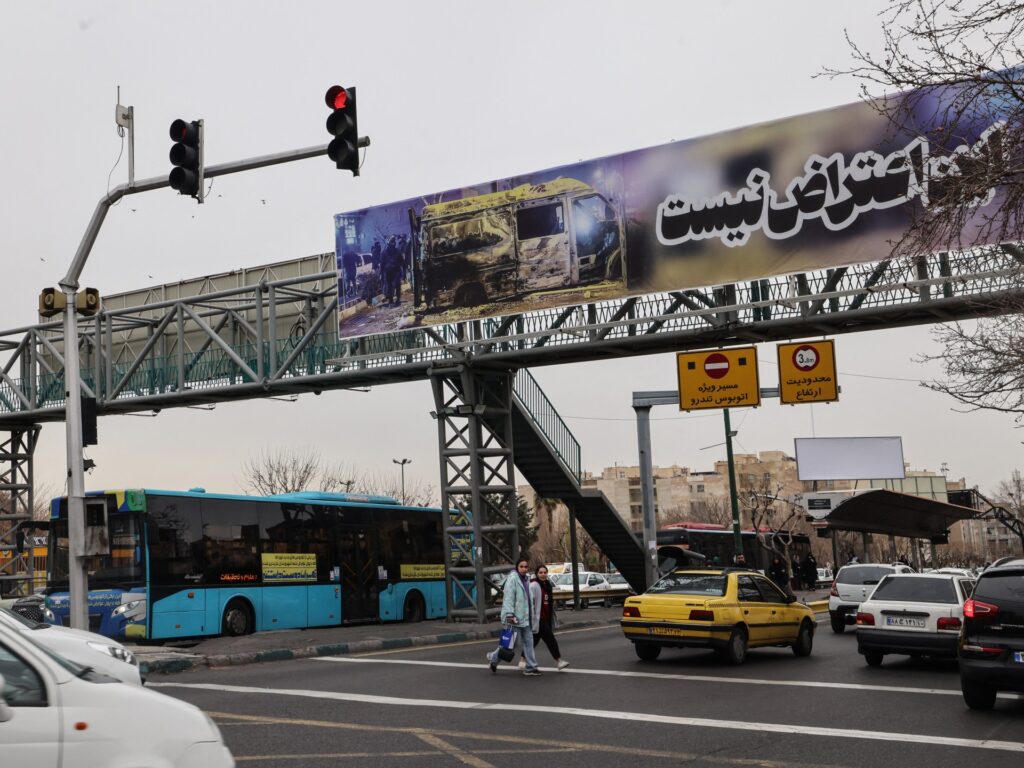
Recent anti-government protests in Iran have significantly diminished following widespread unrest across the country. Iranian authorities have reported that approximately 3,000 individuals were arrested in connection with the demonstrations. The protests, which erupted amid various political and social grievances, saw large gatherings in Tehran and other major cities.
As the situation stabilizes, internet access remains cut off throughout Iran, a measure officials say is necessary to prevent the organization of further protests and to maintain public order. Despite the disruptions to communication, the streets of Tehran and other cities have largely returned to calm.
The Iranian government has faced mounting criticism over its handling of the protests and the subsequent crackdown. Human rights groups have expressed concern over the high number of arrests and the potential for abuses amid the ongoing restrictions on information flow.
The unrest marks one of the most significant challenges to Iranian authorities in recent years, reflecting deep-seated frustrations within various sectors of society. While the immediate protests have quieted, the long-term political and social implications continue to unfold as the government seeks to assert control.
Experts note that cutting off internet access is a common strategy employed by governments to limit dissent and hinder communication among protestors. However, this move also restricts access to vital information and complicates efforts by international observers to monitor the human rights situation on the ground.
Residents of Tehran and other affected cities report a sense of unease despite the restored calm, with many wary of potential further government actions. The economic impact of the unrest and the government’s response, including arrests and communications blackouts, has also been significant, exacerbating existing challenges faced by ordinary Iranians.
International reactions have included calls for restraint from Iran and appeals for the protection of human rights. Diplomatic efforts continue as various stakeholders urge a peaceful resolution to the ongoing tensions.
The Iranian authorities maintain that the arrests and internet restrictions are necessary measures to ensure national stability and security. They emphasize the need to combat unrest and terrorism while protecting the nation’s integrity.
As the situation develops, close attention remains on Iran’s internal dynamics and the government’s ability to manage dissent while addressing the underlying causes driving public discontent.