In response to weeks of violent protests that have shaken the country, Iranian authorities have initiated a phased rollback of the extensive internet blackout imposed across the nation. The government has started restoring SMS services, signaling the first step toward normalizing communications and reinstating internet access for the population.
The country experienced an almost complete internet shutdown, severely limiting connectivity and access to digital communication platforms. This blackout was meant to curb the spread of information about the protests, which erupted in response to various political and social grievances.
Officials have announced that the restoration process will be gradual, aiming to balance public safety concerns with the need for citizens to communicate freely. While SMS services have been reactivated, full internet access is not expected to be restored immediately. The phased restoration will likely continue over the coming weeks until broader connectivity is reliably re-established.
The blackout had significant impacts on daily life, affecting businesses, education, and access to medical and emergency information. Many Iranians relied on virtual private networks (VPNs) and alternative communication methods to bypass restrictions during the shutdown.
International human rights organizations expressed concern about the blackout, highlighting the crucial role of unrestricted internet access in upholding freedom of expression and assembly. They have called on the Iranian government to allow full and free access to the internet as soon as possible.
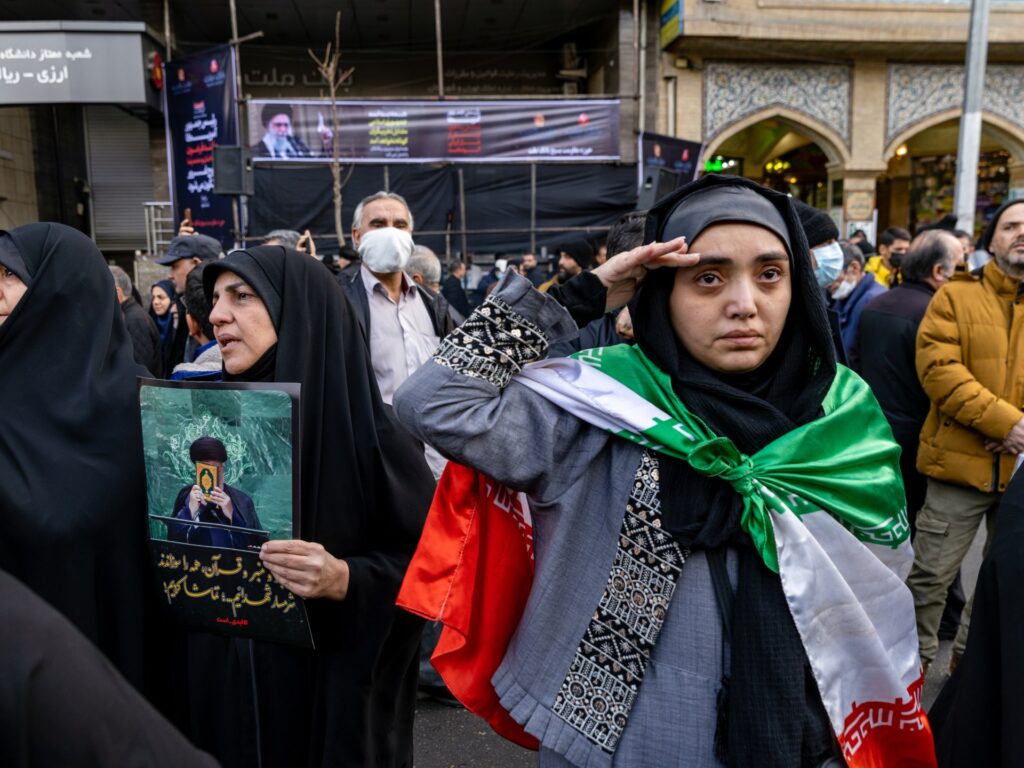
The protests themselves have been some of the most intense in recent years, reflecting widespread dissatisfaction with economic conditions, political repression, and social issues. The government’s internet restrictions were part of broader attempts to control the narrative and limit organizational capacity among demonstrators.
As connectivity resumes, there is cautious optimism among citizens and activists. Many hope that restored communication channels will facilitate dialogue and contribute to easing tensions. However, skepticism remains regarding potential further restrictions or surveillance.
The situation in Iran serves as a stark reminder of the vital importance of internet access in modern society. It not only connects individuals but also enables the spread of information, democratic participation, and social mobilization.
Authorities have yet to provide a detailed timeline for full internet restoration, but the resumption of SMS signals a recognition of both the necessity of communication and the public’s resilience in the face of severe censorship.
The international community continues to monitor developments closely, urging Iran to uphold digital rights and encouraging peaceful resolution of the underlying causes of unrest.
As Iran navigates this complex moment, the gradual reopening of communication networks offers a glimmer of hope for a more open exchange of ideas and renewed social discourse.