Several southern African countries including Mozambique, South Africa, and neighboring nations are experiencing catastrophic floods following an unrelenting downpour of torrential rains. The floods have tragically taken the lives of more than 100 people, with the situation deteriorating as the rains persist across the region.
Communities in Mozambique, South Africa, and surrounding areas have been severely impacted as rivers burst their banks, streets turn into waterways, and homes are submerged. The flooding has led to large-scale displacement, with hundreds of thousands of residents forced from their homes, seeking refuge in emergency shelters and higher ground.
In Mozambique, one of the hardest hit countries, the worst flooding in years has inundated villages and towns, devastating infrastructure and cutting off access to vital services. Relief agencies are scrambling to provide aid and emergency supplies to the affected populations as the scale of destruction continues to unfold.
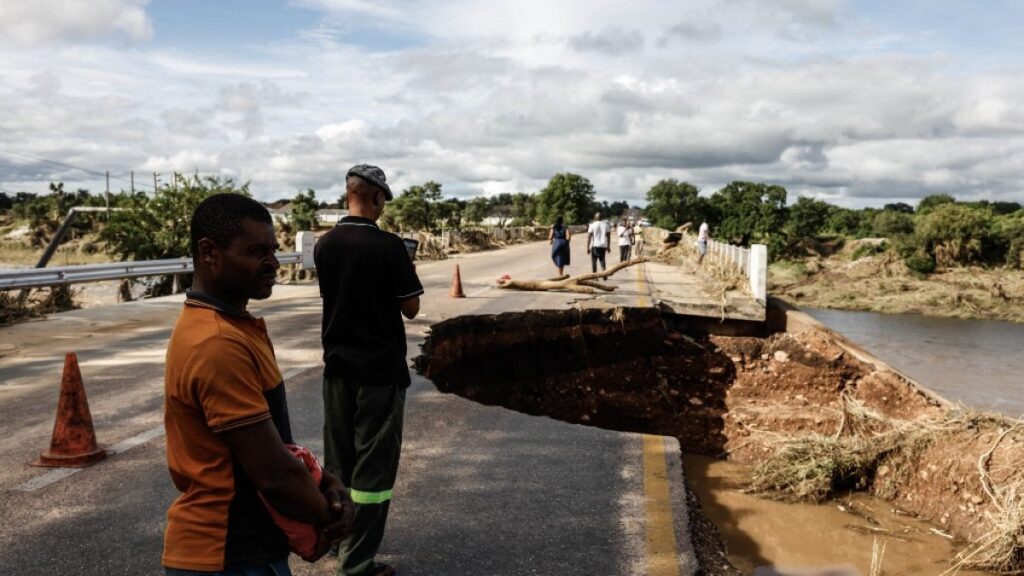
South African provinces prone to flooding have reported widespread damage to roads, bridges, and housing. Local authorities have mobilized rescue teams to reach stranded individuals and provide medical assistance, but the ongoing rains hamper these efforts.
Experts attribute the intensity of these floods to climate change, which has resulted in increasingly erratic weather patterns, including extreme rainfall events. The humanitarian response is being coordinated by regional governments in partnership with international organizations to provide emergency relief, including food, clean water, shelter, and medical care.
The floods have not only caused immediate loss of life and property but also threaten longer-term consequences such as outbreaks of waterborne diseases, food insecurity due to destroyed crops, and economic disruptions.
Citizens and local governments are calling for urgent support to help rebuild communities and bolster infrastructure to withstand future climate-related disasters. The current crisis serves as a stark reminder of the growing vulnerabilities faced by southern Africa in the face of climate change and the critical need for comprehensive disaster preparedness and climate adaptation strategies.
As the rains continue, the southern African region remains on high alert, with ongoing efforts to manage the humanitarian crisis and mitigate further loss and damage.