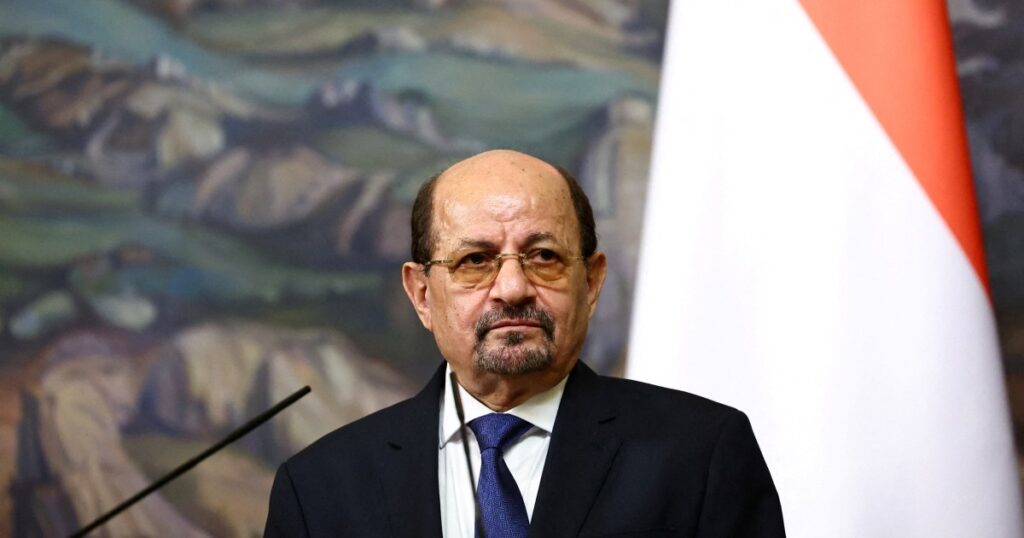
In a significant political development, Yemen’s Saudi-backed government has appointed Shaya Mohsen Zindani as the new prime minister. This move comes as Saudi Arabia intensifies its efforts to strengthen control over Yemen’s presidential body, reflecting a broader strategy to consolidate influence in the war-torn nation’s governance structure.
Shaya Mohsen Zindani’s appointment marks a crucial shift in Yemen’s turbulent political landscape. Known for his close alignment with Saudi interests, Zindani is expected to play a key role in advancing Saudi Arabia’s agenda within Yemen. His selection underscores Riyadh’s determination to stabilize the presidential authority it supports and to assert greater influence over Yemen’s future direction.
The cabinet reshuffle and this prime ministerial appointment occur against the backdrop of Yemen’s prolonged conflict, which has left the country fragmented and weakened. Saudi Arabia, backed by a coalition, has been engaged in Yemen since 2015, aiming to restore the internationally recognized government and counter the Houthi rebel movement.
Analysts suggest that appointing Zindani could be part of a broader strategy to bring more centralization and cohesion to Yemen’s divided government bodies. By installing trusted allies in key positions, Saudi Arabia hopes to streamline decision-making and governance, potentially facilitating peace processes or military strategies aligned with the coalition’s interests.
Zindani’s political background and previous roles within Yemen’s government have positioned him as a capable administrator in times of crisis. His tenure is expected to focus on addressing internal divisions, managing the ongoing humanitarian crisis, and bolstering government legitimacy in the face of insurgent pressures.
This development has drawn attention internationally, as global observers monitor the shifting alliances and power dynamics in Yemen. The appointment may influence upcoming negotiations, aid distributions, and the balance of power both within Yemen and across the wider Middle East region.
As Saudi Arabia consolidates its control over Yemen’s presidential mechanisms, questions remain about the impact on Yemen’s stability and prospects for peace. The new prime minister faces the challenge of navigating a complex political environment while meeting the expectations of both domestic factions and external backers.
The international community continues to urge all parties in Yemen to focus on dialogue and humanitarian relief. The appointment of Shaya Mohsen Zindani represents a new chapter in Yemen’s ongoing saga of conflict and political restructuring, one that could shape the trajectory of the country’s recovery and governance in the years to come.