The United States has officially declared the commencement of ‘phase two’ in its ongoing efforts to enforce a ceasefire in Gaza. This announcement brings renewed hopes for peace but also raises critical questions about the effectiveness and outcomes of the initial phase.
Phase one, declared earlier by the US, outlined several key points aimed at halting hostilities and paving the way for humanitarian aid and reconstruction efforts. However, many of these measures reportedly failed to materialize on the ground, leading to scrutiny and skepticism regarding the previous commitments.
One of the main goals of phase one was to achieve an immediate cessation of violence between conflicting parties. While there were momentary lulls in fighting, persistent skirmishes and exchanges of fire indicated that a full ceasefire was not realized. This ongoing violence adversely affected civilians, undermining trust in the peace process.
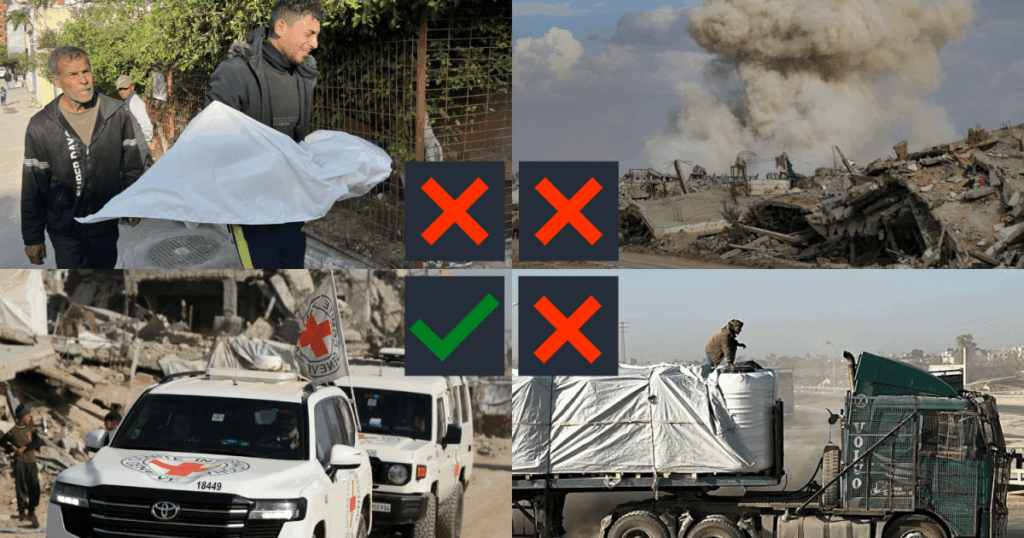
Another critical aspect of phase one was facilitating the delivery of humanitarian assistance to the affected populations in Gaza. Unfortunately, access for humanitarian agencies remained severely restricted due to security concerns and logistical challenges. Consequently, many communities continued to face shortages of essential supplies such as food, water, and medical aid.
Phase one also promised steps towards reopening borders and easing the blockade on Gaza to stimulate economic activities and improve living conditions. These reopenings were limited and sporadic at best, delaying much-needed economic recovery and prolonging hardships faced by residents.
International observers and aid organizations expressed frustration over the slow progress and unfulfilled commitments during phase one. The lack of significant operational changes highlighted the complexity of achieving lasting peace in a region fraught with deep-seated tensions and political obstacles.
Despite these setbacks, the announcement of phase two suggests a renewed diplomatic effort to rectify prior shortcomings and intensify the push for stability. Authorities have emphasized the need to build on lessons learned, enhance coordination with local and international stakeholders, and ensure that concrete actions accompany diplomatic rhetoric.
Phase two aims to reinforce ceasefire enforcement mechanisms, expand humanitarian corridors, and promote dialogue among conflicting parties to address underlying issues causing the conflict. There is cautious optimism among global actors that this phase might lead to more tangible results.
However, challenges remain immense. The volatile security situation, political fragmentation, and competing interests among regional players continue to complicate peace efforts. Success in phase two will require sustained commitment, transparency, and genuine negotiations backed by enforceable agreements.
In conclusion, while phase one of the US-led Gaza ceasefire initiative laid down important foundations, its deliverables fell short of expectations on the ground. The declaration of phase two marks a critical juncture, offering an opportunity to overcome previous hurdles and move closer to a durable peace. The international community and local stakeholders alike will be watching closely to see if phase two can translate promises into concrete improvements for the people of Gaza.