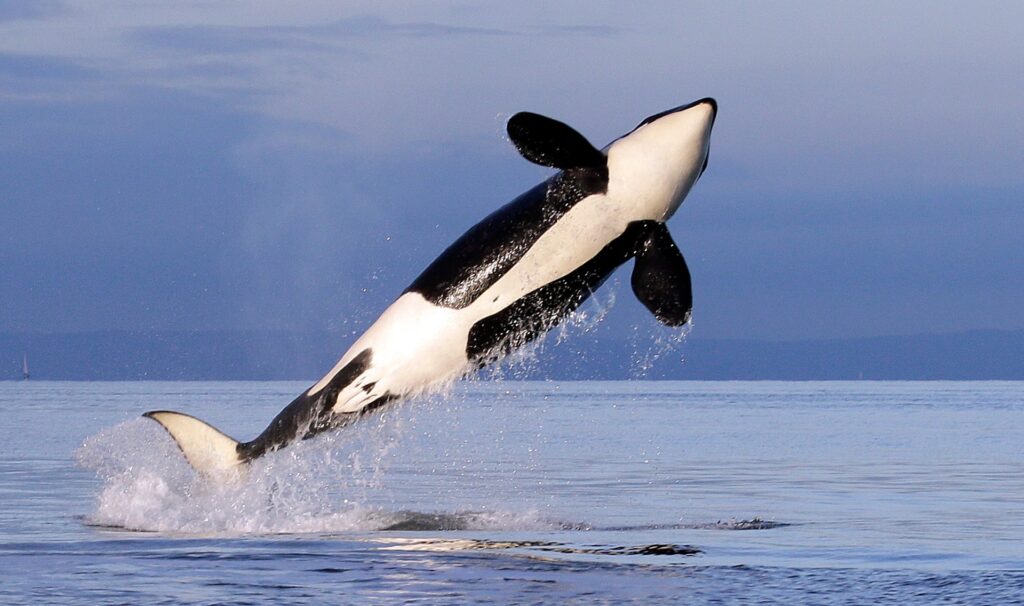
A groundbreaking United Nations treaty designed to safeguard the rich diversity of marine life across the globe is poised to come into force soon. This pioneering pact aims to protect approximately 10 million marine species from a variety of escalating threats including climate change, overfishing, and deep-sea mining.
Marine ecosystems are some of the most biodiverse environments on Earth, home to creatures ranging from microscopic plankton to the massive blue whale. Yet, these ecosystems face unprecedented dangers as human activities and environmental changes impose severe stress. The new UN treaty recognizes the extraordinary value of marine life and commits member nations to enhanced conservation efforts.
The treaty is historically significant as it represents the world’s first legally binding international agreement focused specifically on the conservation and sustainable use of marine biological diversity in areas beyond national jurisdiction. These areas, often referred to as the high seas, cover nearly two-thirds of the world’s ocean surface and are rich in biodiversity but largely unprotected compared to coastal waters.
Under the terms of the treaty, signatory countries will collaborate on establishing marine protected areas (MPAs) in the high seas, regulate harvesting activities to prevent overfishing, and mitigate environmental impacts from mining operations on the ocean floor. The pact also addresses climate change by promoting resilience in marine ecosystems and calls for scientific cooperation to better understand the complexities of ocean life.
Deep-sea mining, a relatively new but rapidly expanding industry, presents significant risks to vulnerable species that dwell in the ocean’s depths, many of which are still unknown to science. By setting regulations and environmental safeguards, the UN treaty seeks to prevent irreversible damage and loss of biodiversity.
Climate change poses another critical threat through rising ocean temperatures, acidification, and deoxygenation, all of which disrupt marine habitats and food chains. The treaty’s emphasis on combating these effects underscores a global acknowledgment of the ocean’s role in regulating climate and sustaining life.
The treaty’s development followed years of negotiation among UN member states, environmental organizations, scientists, and stakeholders, reflecting broad consensus on the urgent need to protect oceanic biodiversity. It stands as a testament to international cooperation and shared responsibility for our planet’s health.
As the treaty comes into force, governments will begin implementing its provisions through national legislation and international oversight mechanisms. This will involve the creation of new management frameworks for conservation, monitoring compliance, and fostering partnerships between public and private sectors.
Environmental advocates have hailed the treaty as a milestone in marine conservation, expressing hope that it will reverse trends of biodiversity loss and contribute to the recovery of depleted fish stocks and fragile habitats.
The treaty also aligns with the United Nations Sustainable Development Goals, particularly Goal 14, which aims to conserve and sustainably use the oceans, seas, and marine resources.
Looking forward, the success of the treaty will depend on ongoing commitment and cooperation among nations, adequate funding for enforcement and research, and the engagement of diverse stakeholders including indigenous communities and the scientific community.
In summary, the upcoming enforcement of this UN treaty marks a historic advancement in global efforts to preserve marine biodiversity. By addressing threats such as overfishing, climate change, and deep-sea mining, the pact offers a transformative framework to ensure the protection of the world’s extraordinary marine life for current and future generations.