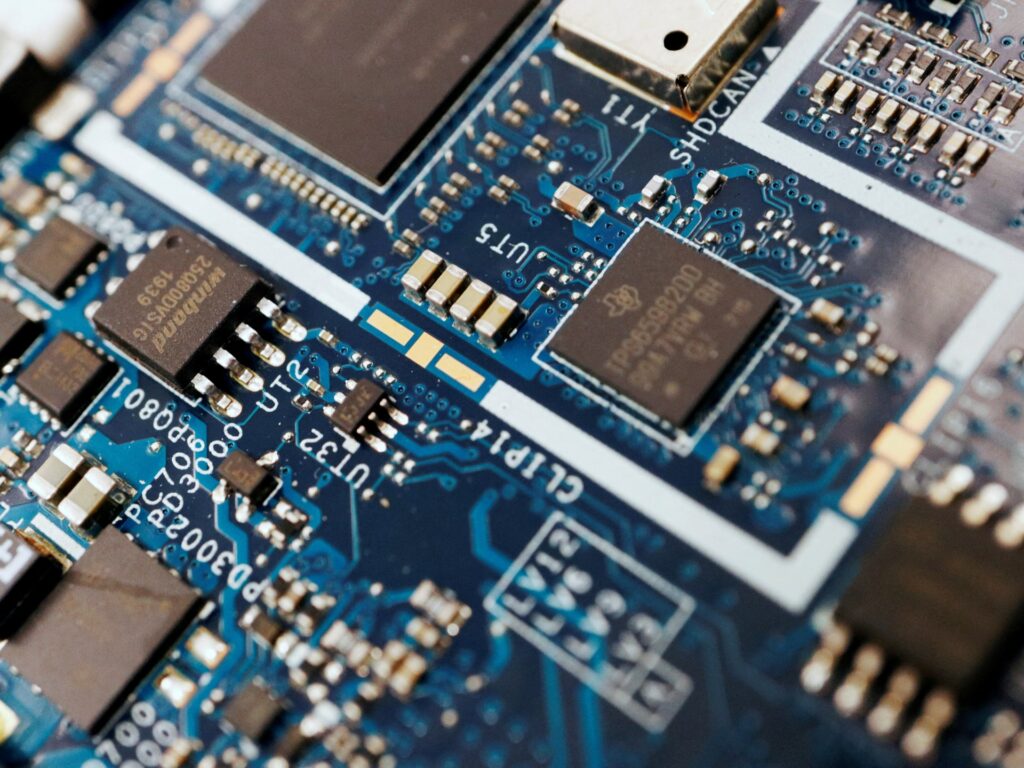
In a significant move to strengthen economic and technological ties, Taiwan and the United States have finalized an agreement aimed at reducing tariffs and increasing investment in Taiwan’s strategic semiconductor industry. This agreement highlights the growing importance of Taiwan as a key player in the global chip market and reflects the United States’ strategic interest in securing supply chains for critical technology components.
Taiwan is home to some of the world’s most advanced semiconductor manufacturers, and its chips are vital to numerous industries, from consumer electronics to defense. Recognizing the importance of this sector, Washington has sought to improve access to Taiwan’s chip industry as part of its broader efforts to counterbalance China’s rising technological ambitions.
China claims sovereignty over Taiwan and has repeatedly expressed opposition to any international agreements that might bolster Taiwan’s autonomy or economic strength. The U.S.-Taiwan deal is therefore not only an economic arrangement but also part of a strategic positioning amid ongoing geopolitical tensions in the Asia-Pacific region.
Key elements of the deal include the lowering of tariffs on chip-related goods and components, which is expected to reduce costs for manufacturers and encourage further investment from American companies into Taiwan’s semiconductor plants. This will likely accelerate innovation and production capacities, ensuring a more resilient chip supply chain that can withstand global disruptions.
The investment boost is anticipated to benefit Taiwan’s economy by creating new jobs and solidifying its position as a global semiconductor hub. For the United States, gaining improved access to Taiwan’s chips is less about competition and more about securing supply lines critical for technological advancements and national security.
Industry experts view the deal as a positive step towards enhancing cooperation between the U.S. and Taiwan, fostering an environment where technology exchange and business partnerships can thrive. It is seen as a strategic response to the increasing challenges posed by China’s assertive policies in the region.
Despite the deal, uncertainties remain regarding China’s reaction, which could include diplomatic protests or economic countermeasures. However, the agreement underscores the resolve of Taiwan and the United States to deepen their partnership and protect their shared interests in the semiconductor sector.
In conclusion, the Taiwan-US tariff and investment agreement marks a pivotal step in securing the supply chain for semiconductors, a critical industry for the modern world. It signifies increased collaboration between the two nations and a careful balancing act amid geopolitical tensions involving China. As chip technology continues to shape global economic and security landscapes, such partnerships are vital for ensuring innovation and stability in the sector.