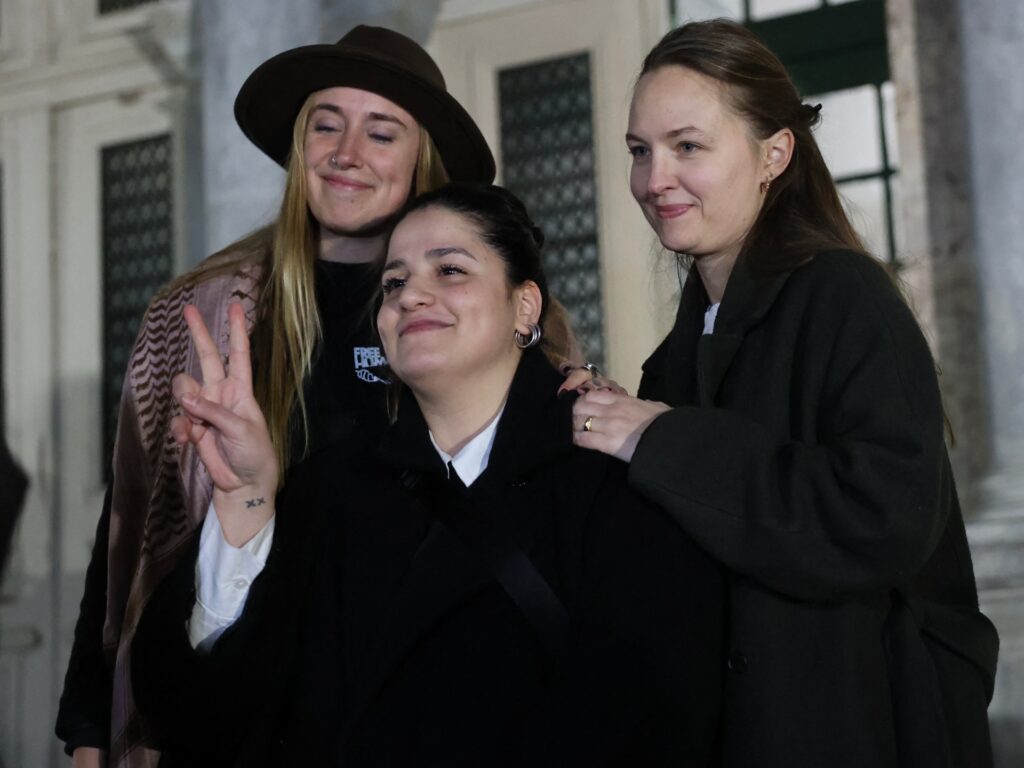
In a significant legal decision, Syrian swimmer Sarah Mardini was cleared by a Greek court of all charges related to migrant trafficking. Mardini, who became known globally for her courageous efforts in saving migrants at sea, was among a group of 24 volunteer rescuers who faced trial in Greece. The court found that the accused had acted out of humanitarian concern, and their actions did not constitute criminal trafficking but rather life-saving rescues.
Sarah Mardini’s story captured worldwide attention when she and her sister, while fleeing Syria, used their swimming skills to help save fellow refugees stranded in the Aegean Sea. Her commitment to aiding migrants continued as she joined volunteer groups dedicated to saving lives in the perilous waters between Turkey and Greece.
The charges brought against Mardini and her fellow volunteers were part of wider governmental scrutiny and legal challenges faced by humanitarian organizations operating in the region. Critics argued that successful migrant rescues often faced unjust criminalization, deterring volunteers and NGOs from providing urgent assistance.
However, the recent court ruling marks an important vindication for those engaged in humanitarian rescue efforts. It recognizes the moral and legal grounds for saving lives at sea, despite complex political and immigration issues. The acquittal may serve as a precedent, encouraging continued volunteerism and reducing the stigma surrounding migrant rescue operations.
Supporters of Sarah Mardini praised the verdict as a triumph for human rights and humanitarian principles. They highlighted the dangers migrants face in crossing the Mediterranean, emphasizing the need for compassionate responses and support from international communities.
Mardini’s acquittal also ignites discussions about the treatment of refugees and the legal frameworks governing humanitarian aid in Europe. It raises awareness about the ongoing migrant crisis and the challenges faced by those risking their lives to help others escape perilous conditions.
The case underscores the importance of recognizing and protecting the work of volunteers and rescuers, who often operate under difficult circumstances with limited resources. Their dedication exemplifies the compassion needed to address one of the most pressing humanitarian issues of our time.
As Sarah Mardini continues her advocacy, her story remains a powerful symbol of courage and hope amid adversity. The court’s decision not only clears her name but also sends a message about the value of empathy and solidarity in confronting the global refugee crisis.
In conclusion, the Greek court’s acquittal of Sarah Mardini and other volunteer rescuers represents a landmark moment for migrant rescue operations. It stresses that saving human lives should not be criminalized and affirms the role of humanitarian efforts in ensuring safety and dignity for those seeking refuge.