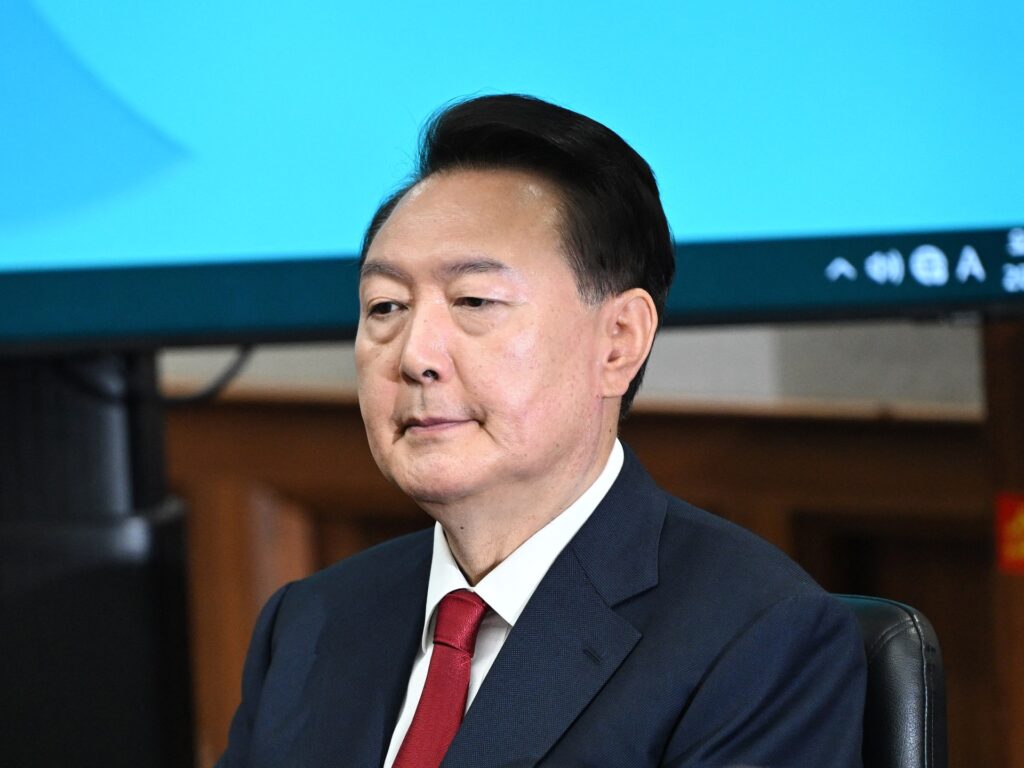
South Korea’s former President Yoon Suk Yeol has been sentenced to five years in prison following a high-profile legal case concerning the imposition of martial law. The court found Yoon guilty of obstructing justice along with other related charges tied to the controversial declaration of martial law during his tenure.
The case has drawn significant attention both domestically and internationally, as it touches on critical issues of governance, civil liberties, and the rule of law in South Korea. Martial law, which involves the temporary suspension of ordinary law and increased powers for the military, was declared under circumstances that have since been vigorously scrutinized.
According to court findings, Yoon’s actions obstructed judicial processes and led to undue complications in the management of state affairs during a pivotal period. His declaration of martial law was seen by prosecutors and the court as an overreach of presidential authority, undermining democratic institutions.
The verdict marks a significant moment in South Korea’s political landscape, reflecting ongoing efforts to hold leaders accountable for actions taken while in office. It highlights the judiciary’s role in maintaining checks and balances within the government system.
Legal experts note that this case could set a precedent for how future instances of executive overreach are treated in South Korea. Observers speculate that the ruling may influence political behavior and policy-making going forward, reinforcing the country’s commitment to democracy and legal norms.
Public reaction within South Korea has been mixed, with some expressing relief at the upholding of justice, while others remain concerned about political divisions exacerbated by the trial. Demonstrations and public forums have taken place nationwide as citizens engage in discussions about leadership, governance, and national security.
Yoon Suk Yeol previously served as the country’s president during a period marked by significant political and social challenges. His policies and decisions, including the declaration of martial law, were often at the center of debate, reflecting deep divisions in public opinion.
The sentencing concludes a long and complex legal process, beginning with investigations that scrutinized numerous aspects of Yoon’s administration. Prosecutors gathered extensive evidence to support charges of obstruction and misuse of power.
Yoon has the right to appeal the verdict, and his legal team has already announced intentions to contest the decision. The appeals process may extend the case timeline, keeping this issue in the public eye for months to come.
International observers have noted the case as indicative of South Korea’s robust legal system and its ability to hold even the highest officials accountable. It also serves as a cautionary example for other nations grappling with issues of executive power and civil rights.
Moving forward, political analysts will closely monitor the impact of this ruling on South Korea’s governance and its international relations. Stability and adherence to democratic principles remain paramount concerns for the country’s future.
This case underscores the delicate balance between national security measures, such as martial law, and the protection of democratic freedoms. It invites ongoing debate about the role of executive authority in times of crisis and the safeguards necessary to prevent abuses.
In summary, former President Yoon Suk Yeol’s five-year prison sentence for his role in the martial law case symbolizes a critical juncture for South Korean democracy, highlighting the accountability of leaders and the continued vigilance required to uphold the rule of law.