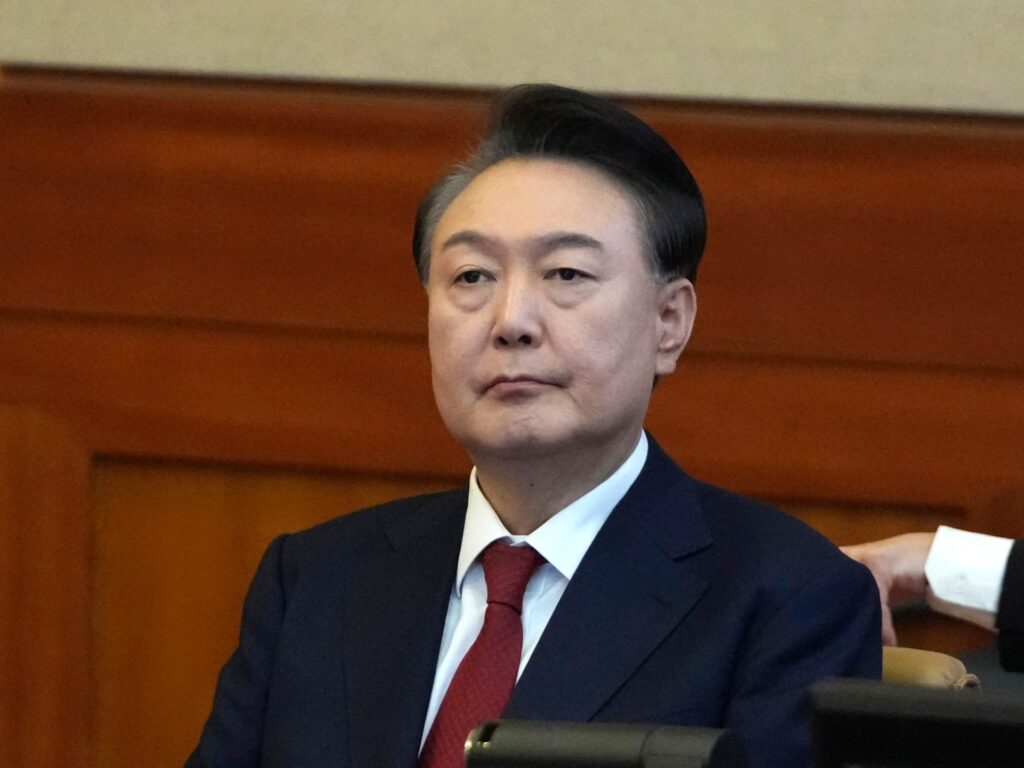
South Korea’s political landscape has been shaken by the sentencing of its former President Yoon to five years in prison. This development stems from Yoon being found guilty on charges linked to the controversial 2024 martial law decree. The decree, which had significant implications for civil liberties and governance during a period of national tension, triggered widespread public debate and legal scrutiny.
President Yoon’s trial captivated the nation due to the gravity of the accusations and their impact on South Korea’s democratic fabric. The court ruled that Yoon’s actions in enforcing the martial law decree constituted an abuse of power, undermining constitutional principles. Many legal analysts view the five-year sentence as a pivotal moment in demonstrating accountability at the highest levels of government.
However, the legal challenges facing Yoon do not end there. He is also implicated in a separate case, which carries the possibility of the death penalty. This case involves far more severe allegations that, if proven, could alter the political and judicial narrative in South Korea dramatically. The nature of these charges remains confidential at this stage, but they underscore the complexity and seriousness of Yoon’s legal troubles.
The former president’s sentencing has sparked varied reactions both domestically and internationally. Supporters argue that Yoon is a victim of political persecution, insisting that the martial law decree was necessary for maintaining order during a time of crisis. On the other hand, critics contend that this verdict reinforces the rule of law and highlights the dangers of executive overreach.
South Korea’s government has expressed a commitment to ensuring transparent judicial processes and upholding democratic values throughout these proceedings. The case also serves as a reminder of the fragile balance between security measures and civil rights, a debate that resonates globally.
This episode adds to a historical pattern in South Korean politics where former leaders face trials and significant legal consequences post-tenure. It reflects ongoing efforts to strengthen governance and deter corruption and authoritarian tendencies among top officials.
As the next legal case unfolds, all eyes will be on the judiciary’s approach to handling such unprecedented matters. The outcomes could influence South Korea’s political future and its standing in the global arena. Observers hope for a fair trial that respects due process while addressing the serious allegations against a high-profile figure.
In conclusion, former President Yoon’s five-year sentence marks a critical juncture in South Korea’s pursuit of justice and democratic integrity. The potential death penalty case adds a profound layer of legal complexity, making this a defining chapter in the nation’s modern history and governance.