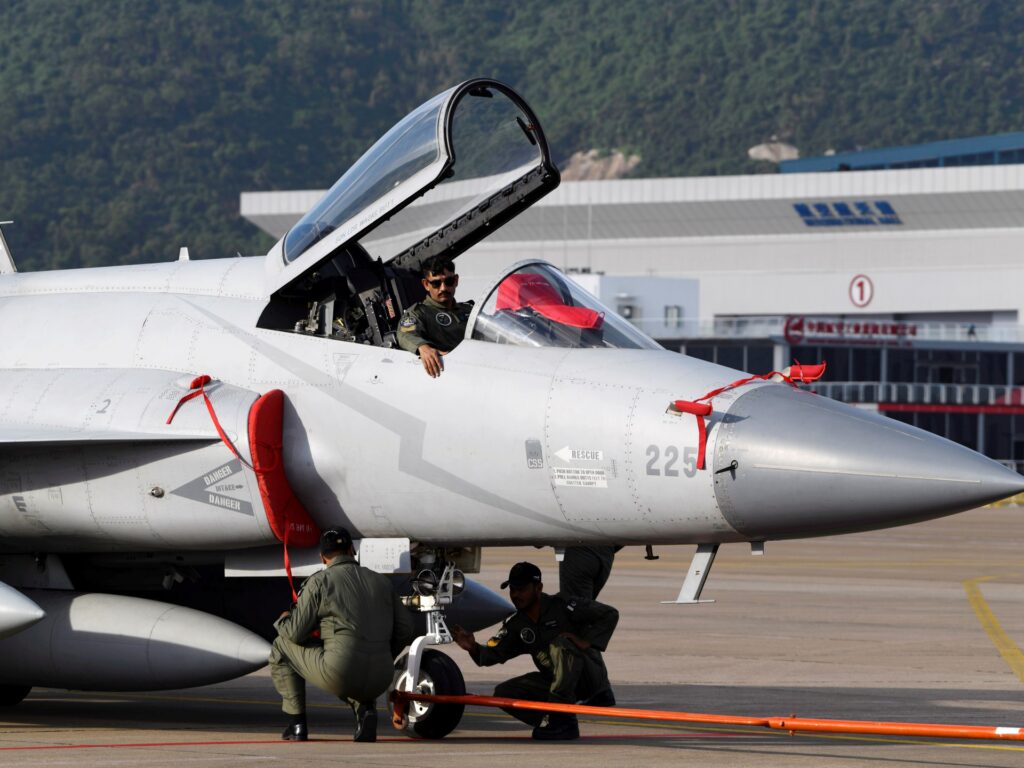
In recent years, Pakistan has garnered notable interest from multiple Arab countries, including Saudi Arabia and Sudan, in expanding its military footprint across the region. This interest is primarily driven by Pakistan’s proven capabilities in producing reliable weapons and jet fighter aircraft, which have drawn attention from countries looking to bolster their defense infrastructure.
Saudi Arabia’s approach towards Sudan highlights a strategic move to strengthen military collaborations within the Arab world, with Pakistan being a key player in the equation. The Pakistani military industry, known for its cost-effective yet capable military hardware, is being examined as a potential supplier and partner in regional defense initiatives.
Several countries in the Middle East and North Africa have expressed keen interest in acquiring Pakistani military technology, particularly jets and small to medium-sized weapon systems. Pakistan’s indigenous production capabilities give it an advantage, as many Arab nations seek alternatives to Western and Russian arms suppliers due to geopolitical sensitivities and cost concerns.
Despite this promising interest, Pakistan faces significant hurdles in delivering on these opportunities. Exporting advanced military technology comes with stringent regulatory, diplomatic, and logistical challenges that cannot be overlooked. The geopolitical climate in the Arab world is complex, with regional rivalries and alliances often influencing procurement decisions and alignments.
Moreover, Pakistan must carefully navigate its diplomatic relations, especially given the strategic rivalry between Saudi Arabia and Iran, as well as the ongoing conflicts in countries like Sudan and Yemen. Any military cooperation or arms deals carry potential risks of entangling Pakistan in regional disputes.
Logistical challenges also present a formidable barrier. Ensuring the timely delivery of sophisticated military equipment requires robust infrastructure, technology transfer agreements, training of personnel, and establishing maintenance and support systems. Pakistan currently operates on a scale that might strain its existing export and manufacturing frameworks if rapid expansion occurs.
Furthermore, international scrutiny and compliance with global arms trade regulations will require Pakistan to maintain transparent practices to avoid sanctions and diplomatic fallout.
Nonetheless, the prospect of expanding Pakistan’s military footprint offers significant economic and strategic benefits. It could enhance Pakistan’s influence in the Arab world, strengthen ties with key regional players, and provide a much-needed boost to its defense industry and economy.
In conclusion, while Pakistan has the potential to expand its military footprint across the Arab world thanks to growing interest in its weapons and jets, successfully delivering on this potential will require overcoming substantial diplomatic, logistical, and regulatory challenges. The path forward demands nuanced diplomacy, strategic foresight, and significant investment in production and export capabilities to transform interest into tangible defense partnerships.