Tensions in the Middle East continue to escalate as the Israeli military conducts near-daily attacks on villages in Lebanon’s Bekaa Valley. This surge in military activity comes amid ongoing violations of the 2024 ceasefire agreement between Israel and Hezbollah, threatening to destabilize the fragile peace in the region.
The Bekaa Valley, a strategic area in eastern Lebanon, has historically been a hotspot for conflict between Israeli forces and Hezbollah militants. The recent Israeli offensives targeting villages in this region have drawn sharp condemnation from Lebanese officials and international observers alike.
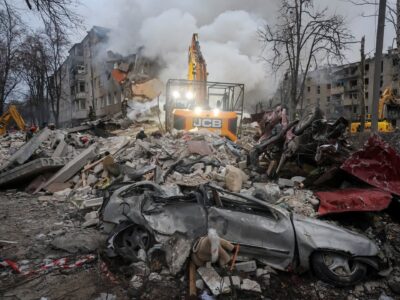
According to reports, the Israeli army has intensified its air and artillery strikes, citing security concerns and retaliation against alleged Hezbollah activities. However, these operations have resulted in significant damage to civilian infrastructure and displacement of local populations, raising humanitarian concerns.
The 2024 ceasefire between Israel and Hezbollah, brokered under international auspices, was intended to halt hostilities and foster stability along the border. Yet, the recurrence of Israeli attacks signals a breakdown in adherence to this agreement, with Hezbollah reportedly increasing its defensive posturing in response.
Analysts suggest that the persistent violations exacerbate longstanding tensions, risking a broader military confrontation. The Lebanese government has called for immediate cessation of hostilities and urged the international community to intervene to uphold the ceasefire.
Meanwhile, residents of the Bekaa Valley express growing fear and uncertainty as the conflict disrupts daily life and threatens long-term security. Humanitarian agencies are mobilizing to provide aid and support to affected communities while warning of the potential for escalating violence.
The international community faces mounting pressure to address the situation through diplomatic channels to prevent further deterioration. As both sides navigate a complex web of political and military challenges, the future of peace in the Bekaa Valley remains precarious.
This ongoing conflict underscores the fragile nature of ceasefires in the region, highlighting the urgent need for sustained dialogue and conflict resolution efforts to ensure lasting peace and stability.