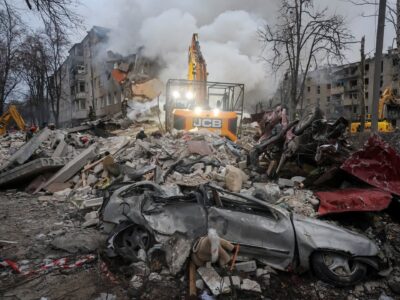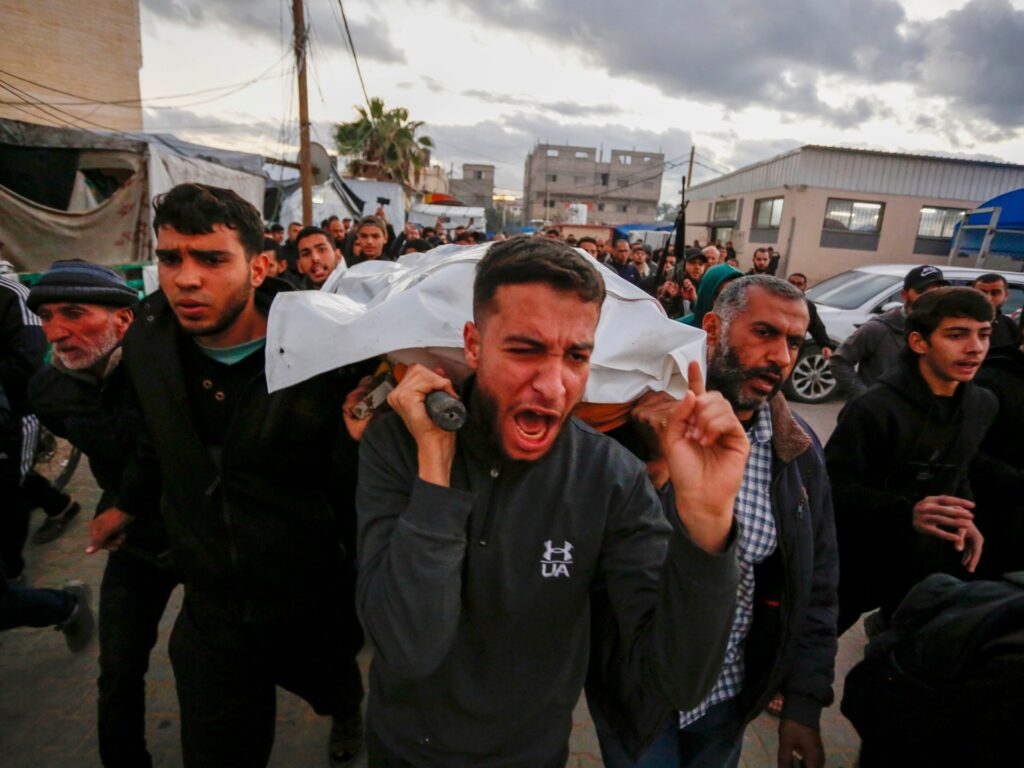
The ongoing conflict in Gaza escalated as Israeli forces targeted two family homes in the central Gaza area of Deir el-Balah, resulting in the deaths of at least eight Palestinians. This attack underscores the fragile and volatile situation in the region.
Amid these violent developments, the United States has announced the commencement of phase two of a ceasefire deal aimed at de-escalating tensions between the conflicting parties. The ceasefire has been a critical focus for international diplomacy, seeking to prevent further loss of life and instability in the region.
The attacks on the family homes have drawn significant international concern given their impact on civilians, highlighting the urgent need for effective ceasefire implementation and humanitarian aid access.
The conflict between Israel and Gaza has been marked by frequent flare-ups, with civilian casualties raising alarms across the global community. Efforts by the US and other international stakeholders have centered on negotiating a lasting peace and ceasefire agreement, but the recent violence points to the substantial challenges ahead.
The announcement of phase two suggests a continued commitment to diplomatic efforts, but the execution of the ceasefire on the ground remains precarious as hostilities persist. Both sides have expressed different perspectives on the ceasefire terms, complicating enforcement and trust-building measures.
The Palestinian territory of Gaza, densely populated and politically complex, continues to bear the brunt of such conflicts, often with civilian neighborhoods caught in the crossfire. The attack in Deir el-Balah is a stark reminder of the human toll of the ongoing conflict, as families mourn their losses amid broader geopolitical struggles.
International organizations and humanitarian groups have urged for immediate cessation of violence and increased support for displaced and affected civilians. Aid agencies are calling for safe passage for humanitarian supplies and medical assistance to reach those in critical need.
The US phase two ceasefire deal includes provisions for monitoring and enforcement, aiming to prevent further escalations and facilitate dialogue between Israeli and Palestinian authorities. However, analysts caution that sustainable peace will require addressing the underlying causes of the conflict, such as political grievances and security concerns.
As the ceasefire progresses, attention is focused on the reactions of both Israel and Gaza factions, and whether they will adhere to the agreement or continue hostilities. The international community remains vigilant, ready to respond to any breaches of the ceasefire or resurgence of violence.
The path to peace in Gaza remains fraught with complexities, with each episode of violence underscoring the urgency of diplomatic progress and humanitarian intervention. The recent killing of eight Palestinians in Deir el-Balah highlights the devastating human cost of the conflict and the critical need for sustained efforts to achieve lasting stability in the region.