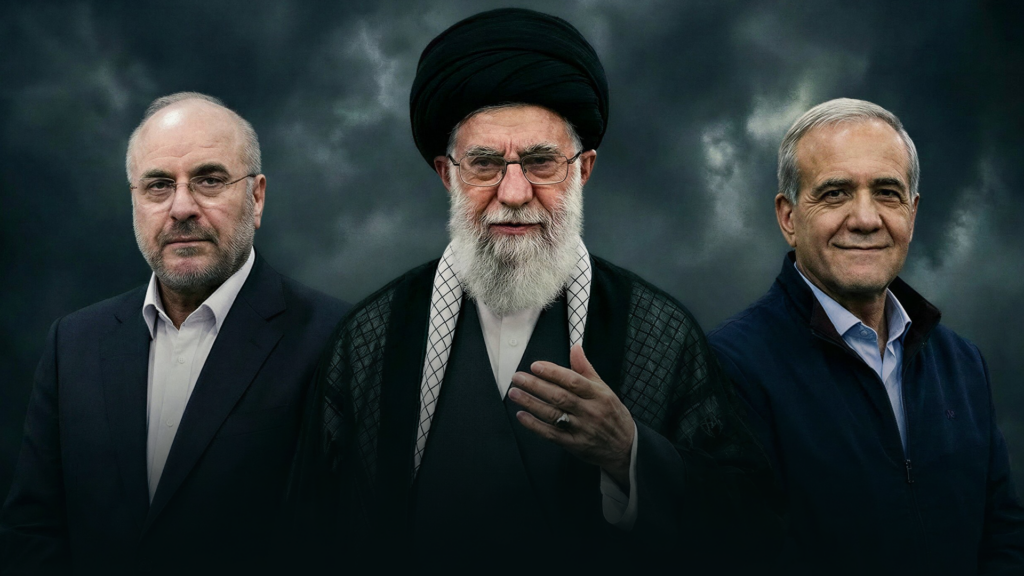
As Iran faces widespread protests, understanding the country’s key leadership figures is crucial to grasp the political dynamics at play. Iran is governed through a complex system combining elements of theocracy and republicanism. At the apex is the Supreme Leader, a position currently held by Ayatollah Ali Khamenei since 1989. He wields the ultimate authority, controlling the armed forces, judiciary, state media, and the Guardian Council, which can veto parliamentary decisions and approve candidates for public office.
The President of Iran acts as the head of government and is responsible for the day-to-day administration. Elected every four years by popular vote, the President’s powers are significant but subordinate to the Supreme Leader. The current President, Ebrahim Raisi, came into office amid promises of economic reform and a firm stance against Western influence.
The Guardian Council is a pivotal institution in Iran’s political system, composed of twelve members including Islamic jurists and parliament appointees. The council oversees elections and legislation, ensuring conformity with Islamic law and the constitution.
Another important body is the Assembly of Experts, tasked with selecting and supervising the Supreme Leader. Though largely seen as supportive of the current leadership, this group holds authority that could influence future leadership changes.
The Islamic Revolutionary Guard Corps (IRGC) is also a significant force in Iran’s political and military landscape. Beyond its military functions, the IRGC has vast influence over the economy and security policy. Its leadership aligns closely with the Supreme Leader and plays a key role in suppressing dissent.
Iran’s judiciary, headed by the Chief Justice appointed by the Supreme Leader, enforces laws including those related to public security and moral codes. The judiciary has often been criticized for its harsh treatment of protesters and political dissidents.
At the municipal level, various clerical and political figures hold sway, but national decisions rest with the top leaders. These individuals collectively shape Iran’s strategic responses to both internal protests and international pressures.
As protests continue, these leaders face domestic demands for change. The Supreme Leader and his inner circle emphasize stability and ideology, while other factions advocate for reform. Understanding who holds power in Iran helps contextualize the ongoing unrest and potential pathways for resolution.
In summary, Iran’s leadership is composed of several influential figures and bodies, all interconnected in a system designed to maintain theocratic rule while navigating complex social and political challenges. Their decisions and interactions will significantly impact Iran’s future amid the current wave of protests.