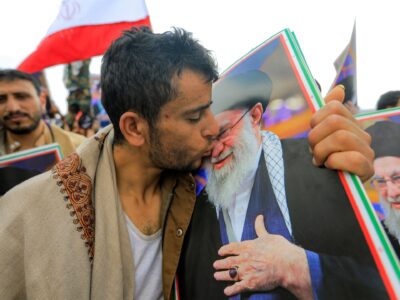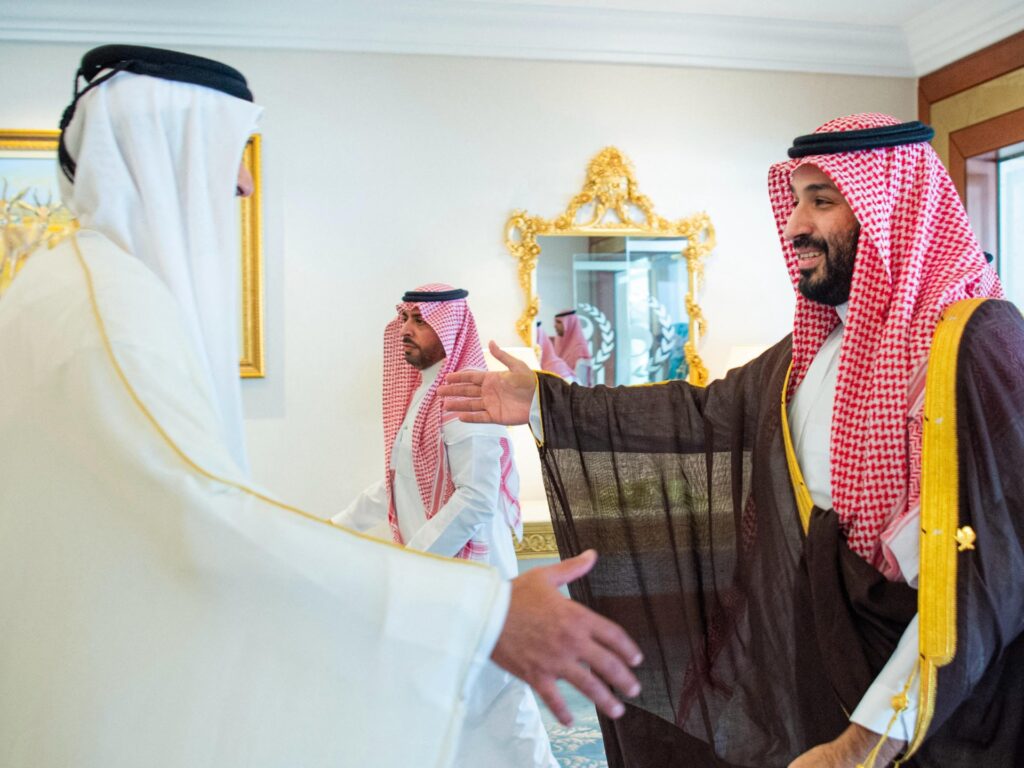
Amidst rising tensions between the United States and Iran, Gulf countries are proactively stepping up their diplomatic engagements to avert a potential military conflict that could destabilize the region profoundly. These nations, strategically situated and economically vital, have expressed deep concerns over the catastrophic consequences that a US strike on Iran or the unraveling of the Islamic Republic might unleash.
For decades, the Gulf region has balanced precariously between competing regional powers and external influences. The ongoing hostilities have awakened fears of widespread chaos, rampant instability, and severe disruption in one of the world’s most critical energy-producing areas.
The Gulf Cooperation Council (GCC) states, including Saudi Arabia, the United Arab Emirates, Kuwait, Qatar, Bahrain, and Oman, have long maintained a stance of cautious diplomacy. Recently, their efforts have intensified, with envoys and foreign ministers engaging in multilateral talks and back-channel communications aimed at de-escalation.
Key issues being addressed include ensuring the security of maritime routes in the Persian Gulf, especially the Strait of Hormuz, through which a significant percentage of the world’s oil supply passes daily. Any conflict could jeopardize global energy markets and cause unprecedented economic shocks.
Moreover, Gulf leaderships are keen to avoid humanitarian disasters. An Israeli or US-led military action could provoke severe retaliation, triggering a regional proxy war involving armed non-state actors and state militias, thus crippling civilian populations.
Diplomatic initiatives now involve collaboration with international partners such as the United Nations, the European Union, and China to promote dialogue and reduce belligerence. These efforts are accompanied by subtle messaging aimed at both Washington and Tehran to find common ground.
The Gulf nations are not neutral observers; their alliances and rivalries influence this delicate balancing act. For instance, Saudi Arabia, recently normalizing ties with Iran, notably seeks to consolidate this progress by advocating political solutions over military confrontations.
In parallel, economic diversification strategies continue in Gulf states to reduce dependency on oil revenues, a move partially spurred by the recognition that geopolitical instability threatens their economic future.
Experts suggest that unless a framework for meaningful negotiation is pursued with urgency and sincerity, the region could face a spiraling conflict undermining decades of development and cooperation.
In conclusion, Gulf countries are assuming a crucial diplomatic role to stave off escalation between the US and Iran. Their efforts underscore a collective commitment to regional stability, economic prosperity, and the avoidance of a devastating conflict that could ripple far beyond their borders.