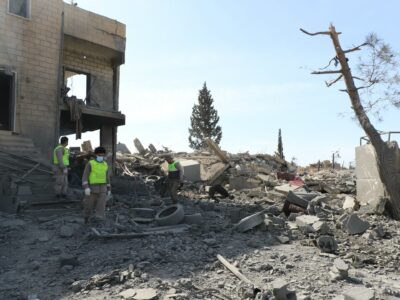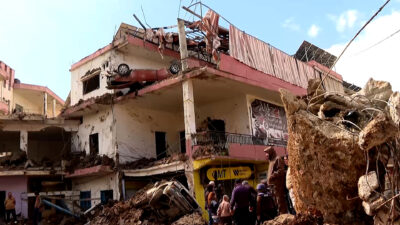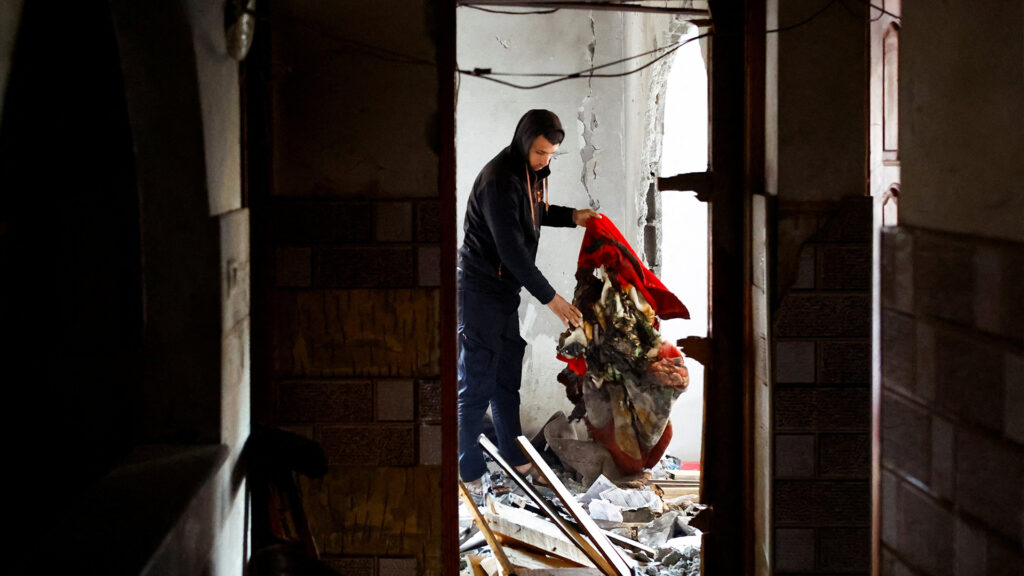
Despite the announcement of phase 2 of the ceasefire by the United States, violence continues to plague the Gaza Strip. At least ten Palestinians have been killed in recent Israeli attacks, underscoring the fragile and volatile nature of the situation on the ground.
The ceasefire was intended to bring a much-needed pause in hostilities after prolonged conflict, aiming to reduce casualties and pave the way for diplomatic efforts. However, the recent attacks have raised serious concerns about the effectiveness and sincerity of the ceasefire agreement.
The ongoing violence has led to increased suffering among the civilian population in Gaza, which has long endured blockades, military incursions, and humanitarian crises. The killing of at least ten Palestinians since the phase 2 announcement highlights the deadly reality facing many in the region.
International reactions have varied, with some nations urging both Israel and Palestinian factions to adhere strictly to the ceasefire terms to prevent further loss of life. Diplomatic channels remain active, trying to find ways to solidify the ceasefire and bring lasting peace.
Human rights organizations have condemned the recent attacks, emphasizing the need for accountability and the protection of civilian lives. They call on all parties involved to respect international law and prioritize the safety of non-combatants.
The United States, as a key mediator, has expressed disappointment over the violations and reiterated its commitment to supporting peace efforts. It continues to engage with regional stakeholders to stabilize the situation and prevent further escalation.
The killing of Palestinians amidst a declared ceasefire phase raises critical questions about the control and influence of armed groups in Gaza, Israel’s military policies, and the broader geopolitical dynamics in the Middle East.
Meanwhile, civilians remain caught in the crossfire, with many seeking refuge and humanitarian assistance. The healthcare system in Gaza is under severe strain due to the increased casualties and limited resources.
Efforts to monitor the ceasefire implementation face significant challenges, including restricted access and ongoing tensions. Observers stress the need for transparent reporting and accountability to ensure that ceasefire agreements are honored.
The current situation serves as a stark reminder of the complexity of the Israeli-Palestinian conflict and the difficulties inherent in achieving durable peace. It underscores the urgency for renewed dialogue, international support, and meaningful actions to protect human lives.
As the world watches, the hope remains that phase 2 of the ceasefire will eventually lead to a sustained reduction in violence and a pathway toward reconciliation, stability, and respect for the rights and dignity of all people in the region.