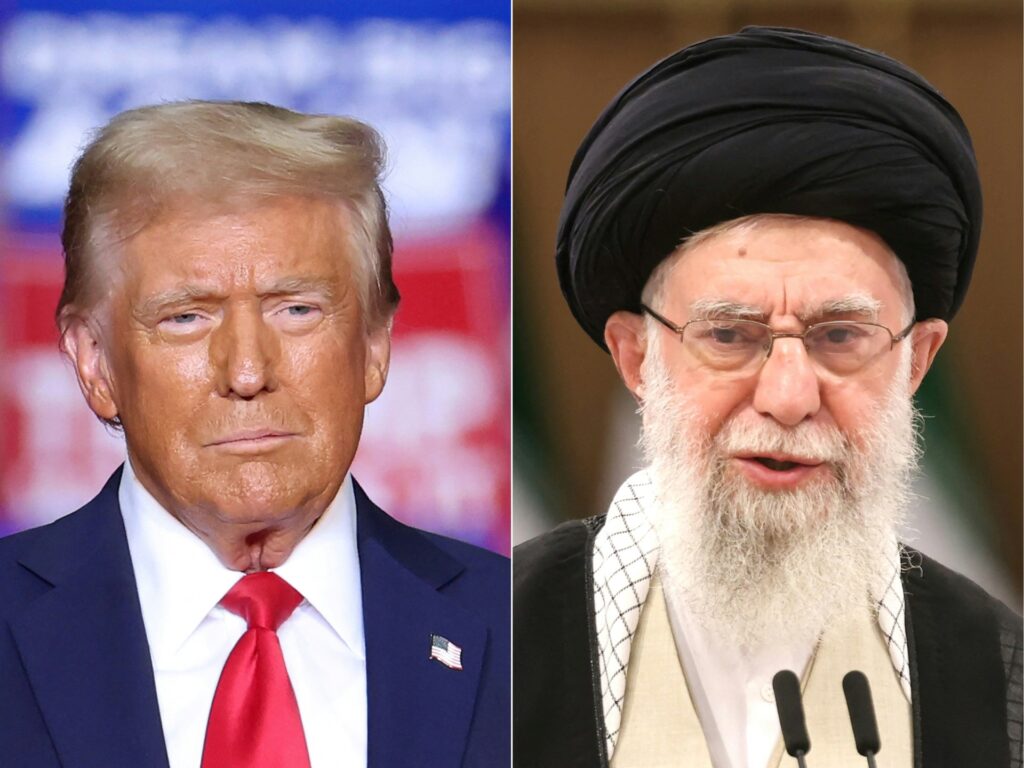
The prospect of a swift and decisive U.S. military operation against Iran appears increasingly unlikely, despite public declarations and political rhetoric. Former President Donald Trump, among others, has expressed support for Iran’s protesters, vowing to ‘help’ them. However, the complexities embedded in Iran’s geopolitical landscape and military capabilities make a quick and clean strike challenging.
Firstly, Iran’s strategic depth and asymmetric warfare capabilities significantly deter conventional military assaults. The country has invested heavily in its missile programs, underground bunkers, and a network of proxy forces across the Middle East. This multifaceted defense structure ensures that any direct attack would trigger prolonged retaliation, causing widespread instability beyond Iran’s borders.
Additionally, the geographical terrain of Iran complicates military logistics. The mountainous regions provide natural fortifications for Iranian forces, enabling them to mount effective resistance and guerilla warfare tactics. Coupled with urban areas, this terrain makes targeted strikes less effective without causing substantial collateral damage.
Trump’s promises to aid protesters in Iran place him in a difficult political position. While supporting dissent aligns with American values of democracy and freedom, direct intervention risks escalating conflicts and entangling the U.S. in a protracted engagement. Moreover, the Iranian government possesses the power to suppress protests ruthlessly while using anti-American sentiment to consolidate internal power.
Diplomatic options remain constrained. Sanctions and international pressure have yet to yield significant changes in Iran’s behavior or its nuclear ambitions. Direct military action would likely alienate key U.S. allies and further destabilize an already volatile region.
The Trump administration’s rhetoric, emphasizing quick solutions, overlooks the entrenched socio-political and military realities in Iran. Any action would require careful calibration to avoid unintended consequences such as regional war, economic shocks, or a humanitarian crisis.
Furthermore, Iran’s influence in Lebanon, Syria, Iraq, and Yemen means that aggression toward Iran could ignite proxy wars in multiple theaters, forcing the U.S. to contend with a multi-front conflict.
In conclusion, the idea of a fast and clean military strike against Iran by the U.S. is more complicated than political slogans suggest. The combination of Iran’s defensive strategies, challenging geography, political dynamics, and regional entanglements ensures that any meaningful intervention would be costly and complex. U.S. policymakers must weigh these factors carefully, balancing the desire to support Iranian protesters with the risks of broader conflict.