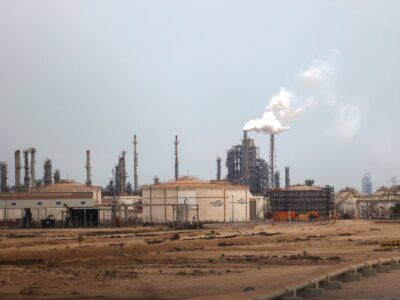
Venezuela is known for its vast reserves of heavy crude oil, one of the largest in the world. This type of oil is characterized by its thick, dense consistency and high sulfur content, making it more challenging to process than lighter crude varieties. However, for US refiners, access to Venezuela’s heavy oil represents tremendous news for several reasons.
Firstly, many US refineries, especially those on the Gulf Coast, are specifically configured to process heavy crude. These refineries have invested heavily in complex equipment and technologies to handle the unique challenges posed by heavier oils, such as desulfurization units and coking capacities to break down the dense hydrocarbons into more valuable products.
Secondly, heavy crude oil tends to be more cost-effective and often priced lower than lighter crude oils. With access to Venezuelan heavy oil, US refiners could benefit from acquiring feedstock at a competitive price, improving their profit margins amid global oil market fluctuations.
Thirdly, geopolitical shifts and easing of sanctions have gradually opened the door for US companies to engage with Venezuela’s oil sector again. This renewed access allows US refiners to diversify their crude slates, reducing dependence on other more volatile sources, and enhancing energy security.
Moreover, Venezuelan heavy oil has a high yield of fuel oil and diesel, products that are in demand in the US and international markets. The ability to refine heavier crude effectively enables US refiners to meet this demand more efficiently.
Analysts point out that while processing heavy crude is more capital-intensive, the long-standing expertise gained by US refineries positions them uniquely to capitalize on the influx of Venezuelan supplies. This synergy could lead to increased refinery utilization rates and bolster the domestic refining sector.
Additionally, the integration of Venezuelan heavy oil could stimulate domestic economic activity by supporting jobs in the refining and petrochemical industries. The resulting products from refining heavy oil also include valuable petrochemical feedstocks crucial for manufacturing plastics, fertilizers, and other industrial goods.
In summary, access to Venezuela’s heavy oil is a strategic advantage for US refiners. It offers a source of competitively priced feedstock optimized for their processing capabilities, helps diversify supply chains, supports domestic industry, and enhances energy security. As the global oil landscape evolves, this development marks a significant opportunity for the US refining sector to strengthen its position in the energy market.