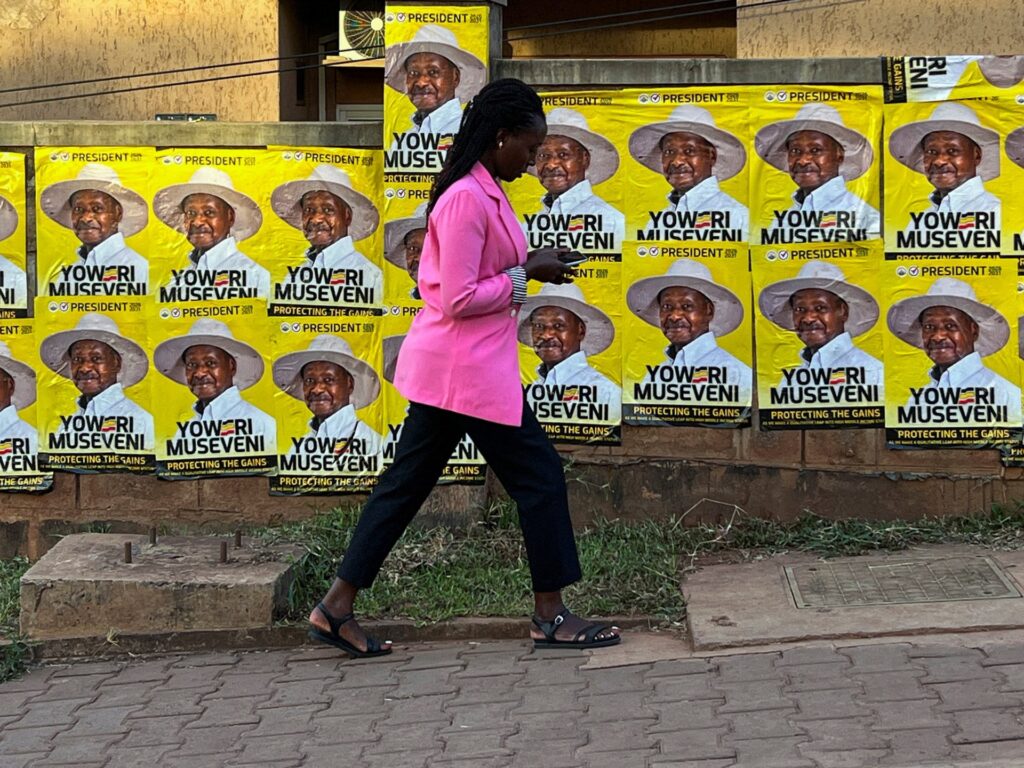
As Uganda prepares for its upcoming elections, the nation finds itself at a critical crossroads. President Yoweri Museveni, who has ruled for over four decades, is aiming to extend his tenure once again. At 81 years old, Museveni’s long-standing leadership faces increasing scrutiny, particularly among the country’s youth. With around 70% of Uganda’s population under the age of 35, the voices and aspirations of young Ugandans are increasingly influencing the political landscape.
Many young people in Uganda express a deep desire for greater stability and opportunities. The sentiment among this demographic is that they are “stuck,” facing significant economic challenges and limited prospects for advancement. Unemployment and underemployment rates remain high, and many young Ugandans feel that the current system has not provided the necessary support for innovation, education, and entrepreneurship.
The tension in the lead-up to the election is palpable. Opposition parties and civil society groups have called for significant reforms, seeking a break from four decades of Museveni’s regime. They advocate for a political environment that encourages inclusivity, respect for democratic principles, and better economic policies aimed at improving the lives of the youth.
This election cycle is not just about who occupies the presidential office, but about the future direction of Uganda as a nation. Young Ugandans are increasingly vocal about their desire for political change, economic inclusion, and social justice. They want a government that listens and responds to their needs.
Meanwhile, President Museveni’s supporters argue that his experience and proven track record are vital for maintaining peace and continuity in Uganda. They credit him with infrastructural development and efforts to maintain security in a region often marked by instability.
However, the overall mood among the populace, especially the youth, indicates a strong yearning for change. Many feel that the country needs fresh leadership to unlock the potential of its young population and to address pressing issues such as unemployment, education reform, and healthcare access.
The outcome of this election will have significant implications for Uganda’s political stability, economic trajectory, and social cohesion. It is a pivotal moment where the aspirations of millions of young Ugandans meet the reality of long-term political leadership.
As Uganda approaches the polls, all eyes are on the youth and their role in shaping the future. Their voices reflect a profound desire for stability, opportunity, and a government that champions their dreams rather than perpetuates the status quo. The nation’s future hangs in the balance as it contemplates whether to continue on its current path or embrace transformative change.