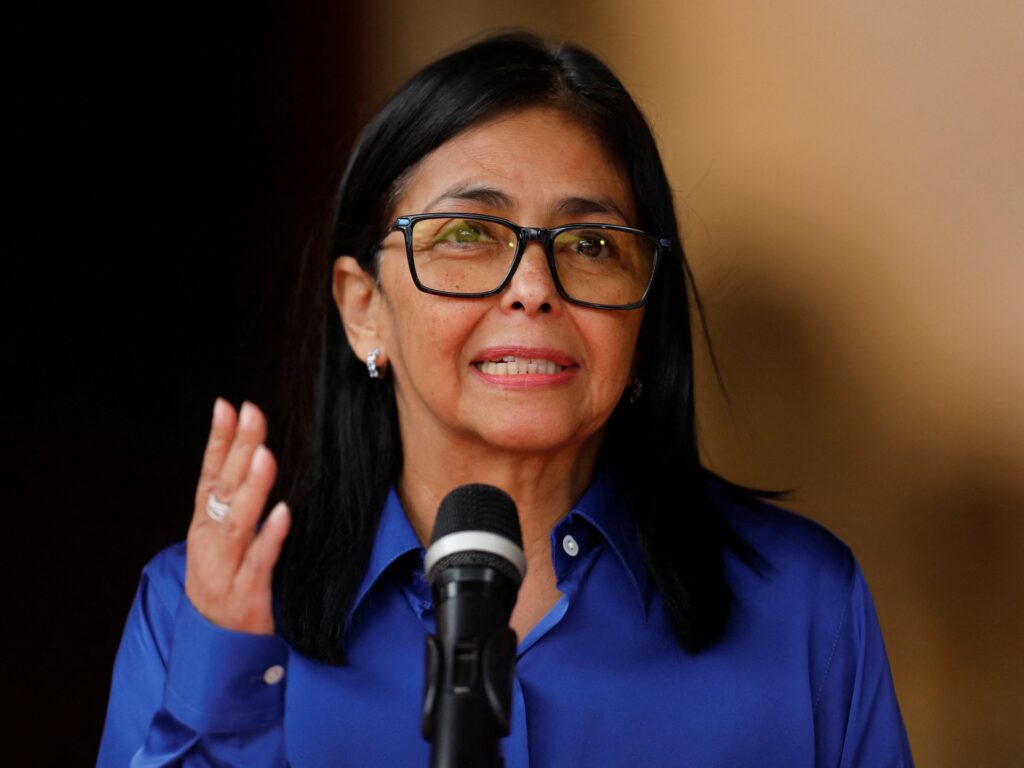
In a surprising turn of events amidst the ongoing political turmoil in Venezuela, Acting President Juan Guaidó’s representative, Rodriguez, has committed to the release of additional prisoners, signaling a potential thaw in the country’s harsh political climate. This announcement arrives in the wake of heightened international attention and escalating tensions following the recent whereabouts and controversial abduction of President Nicolas Maduro.
Rodriguez, speaking from Caracas, emphasized the importance of national unity and the restoration of peace, declaring that the release of prisoners is a step toward reconciliation in Venezuela. The exact number of prisoners to be released was not disclosed, but sources close to the administration suggest that a substantial group includes political detainees, which many human rights organizations have long advocated for.
In a remarkable diplomatic development, Rodriguez held a phone call with then President of the United States, Donald Trump. This call marked the first direct communication between the U.S. administration and the acting Venezuelan leadership since Maduro’s abduction sparked international outcry. Trump reportedly showered Rodriguez with praise during the conversation, recognizing the acting president’s efforts in attempting to stabilize Venezuela and supporting the prisoner release initiative.
The call is seen as part of broader U.S. efforts to engage with opposition figures in Venezuela, aiming to weaken Maduro’s grip on power. Analysts speculate that Trump’s endorsement could bolster Rodriguez’s political legitimacy both domestically and abroad, potentially influencing upcoming political negotiations and international aid.
The abduction of President Nicolas Maduro remains a contentious issue. Maduro’s absence from the political scene has created a power vacuum, leading to increased instability and confusion. The international community has reacted strongly, with various countries demanding Maduro’s safe return and condemning any unlawful capture.
Rodriguez’s promise to release more prisoners is viewed as a strategic move to rally internal support and present a more conciliatory face to the global community. However, challenges remain, particularly regarding security concerns and how Maduro’s loyalists will respond to these developments.
Human rights groups have cautiously welcomed the announcement but call for transparent procedures and guarantees that the releases are part of a genuine effort to improve human rights conditions.
This unfolding situation sets the stage for a complex political landscape in Venezuela, where domestic pressures, international diplomacy, and the struggle for legitimate governance intersect. Future dialogues, including those between the U.S. and Venezuelan actors, will be crucial in shaping the country’s trajectory toward stability and peace.