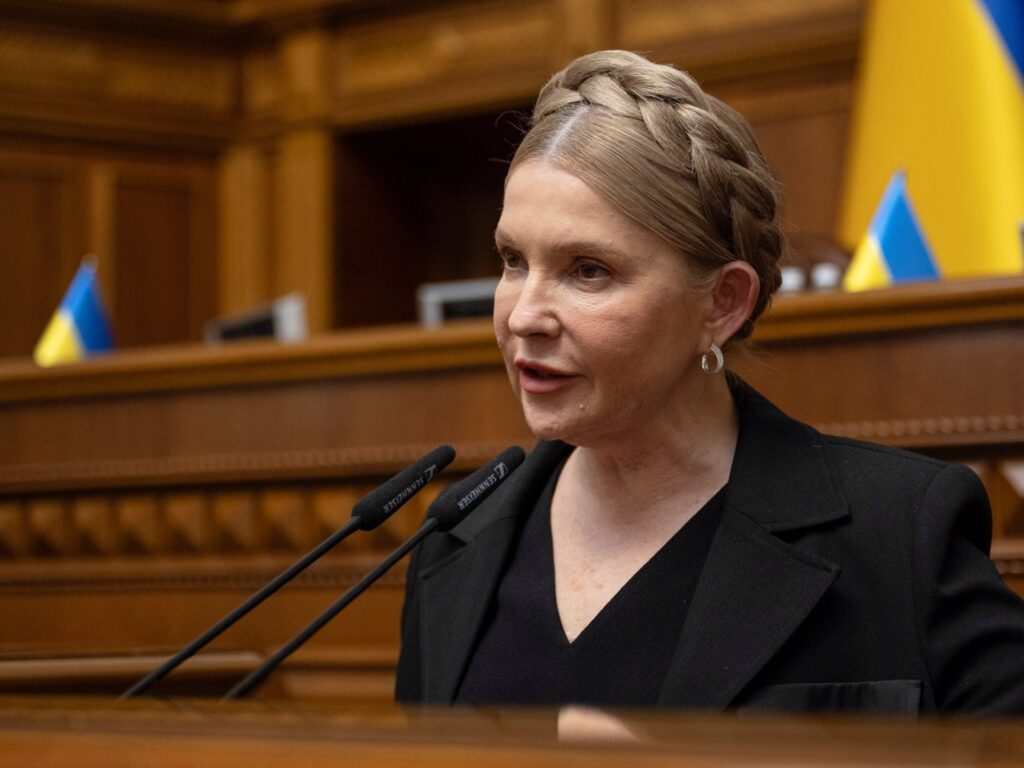
Former Ukrainian Prime Minister Yulia Tymoshenko, who served two terms in office from 2005 and again from 2007 to 2010, has recently been accused of bribery according to a new report. Tymoshenko, a prominent and influential figure in Ukrainian politics, has faced a number of legal challenges throughout her career, but this latest accusation marks another significant development.
Yulia Tymoshenko, known for her charismatic leadership and strong stance during the Orange Revolution, held the position of Prime Minister during critical times in Ukraine’s political landscape. Her tenure was marked by efforts to advance economic reforms, increase Ukraine’s integration with the European Union, and tackle corruption.
The bribery allegations have sent shockwaves through the political community, raising questions about the ongoing battle against corruption in Ukraine. Supporters of Tymoshenko have expressed skepticism about the timing and motives behind the accusations, suggesting potential political intimidation or manipulation.
Throughout her career, Tymoshenko has faced various legal battles, including controversial charges which many viewed as politically motivated. Her past imprisonment and subsequent release received international attention and criticism, highlighting the complex and turbulent nature of Ukrainian politics.
The current investigation into Tymoshenko’s alleged bribery is being conducted by Ukrainian authorities, who have not released detailed information on the specifics of the case. Observers are closely monitoring the situation as it develops, recognizing the significant impact this could have on Ukrainian politics and particularly on Tymoshenko’s political future.
Corruption has been a deep-rooted issue in Ukraine, with numerous politicians and officials facing allegations and charges over the years. The government has pledged to continue its anti-corruption efforts, but progress has been uneven and often hampered by political interference.
Yulia Tymoshenko’s case underscores the challenges Ukraine faces in establishing the rule of law and achieving transparency in governance. It also highlights the political divisions that persist in the country as different factions vie for power and influence.
The international community has taken an active interest in Ukraine’s political affairs, especially given the country’s strategic importance and ongoing conflict with Russia. Democratic reforms and anti-corruption measures remain key focus areas for Western allies providing support to Ukraine.
As the situation unfolds, it remains to be seen how the bribery accusations will influence public opinion and Tymoshenko’s role in Ukrainian politics. Her legacy as a leader during formative years for modern Ukraine continues to be a subject of debate, and this new development adds a complex layer to her political narrative.
In conclusion, the bribery accusations against former Prime Minister Yulia Tymoshenko represent a significant moment in Ukraine’s ongoing struggle with corruption and political accountability. The case will likely attract considerable attention both domestically and internationally as Ukraine continues its path toward reform and stability.