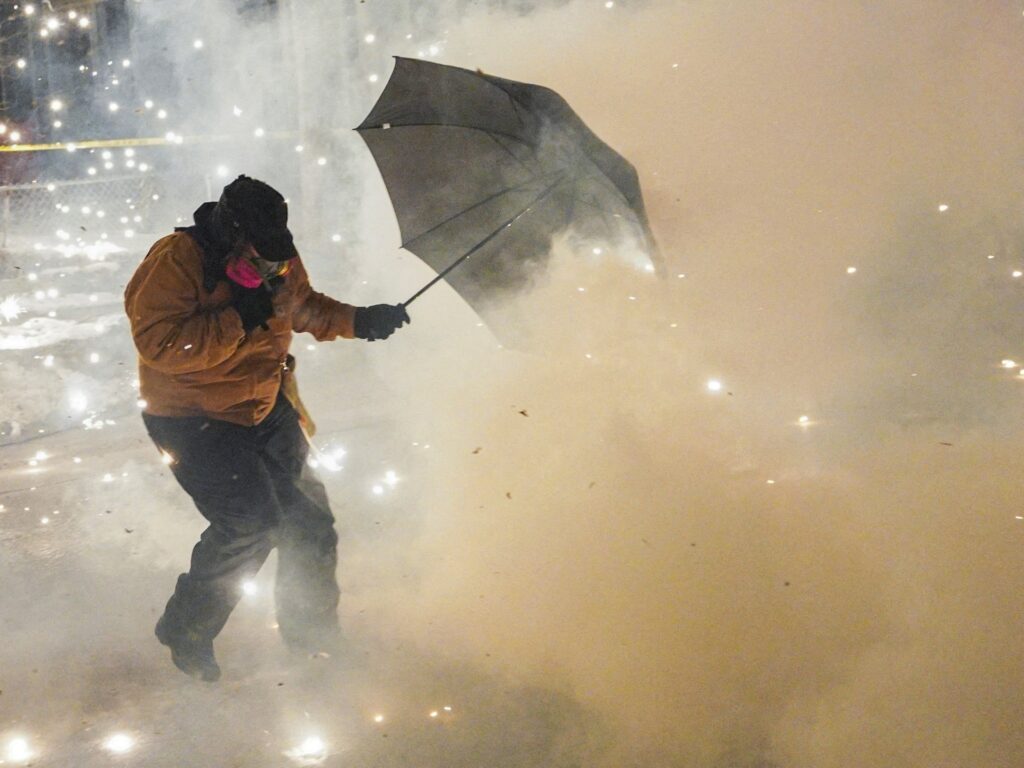
In a significant escalation of the response to ongoing protests in Minneapolis, President Donald Trump has threatened to invoke the Insurrection Act, a federal law that allows the president to deploy military forces domestically to restore order and suppress civil unrest. This announcement comes as protests continue to rage in the city following two shootings involving federal agents, intensifying public outrage and calls for reform.
The Insurrection Act, originally passed in 1807, is a rare and powerful tool that the federal government can use to intervene in states experiencing severe disturbances that local authorities cannot control. The prospect of deploying the military in Minneapolis marks a stark response from the administration, signaling a willingness to take aggressive measures to curb the protests.
Minneapolis has been the epicenter of nationwide demonstrations, which began in response to issues of police brutality and systemic injustice. The recent shootings by federal agents have further inflamed tensions, leading to increased clashes between protesters and law enforcement.
City officials and civil rights groups have expressed deep concern over the potential use of military force, warning that it could escalate violence and undermine efforts to peacefully address the root causes of the unrest. They argue that dialogue and community engagement are critical to resolving the crisis, rather than a militarized approach.
The federal government’s consideration of invoking the Insurrection Act comes amid a broader national conversation about the role of federal agencies in managing protests and the balance between security and civil liberties. Critics of the president’s threats fear that such measures may set a precedent for suppressing dissent through military intervention.
As the situation in Minneapolis evolves, the country watches closely, weighing the implications for democracy and the protection of constitutional rights. The decision to deploy military forces under the Insurrection Act would undoubtedly be a historic and controversial move, reflecting the intense challenges facing the nation during this period of unrest.