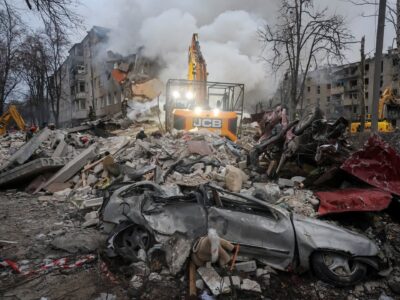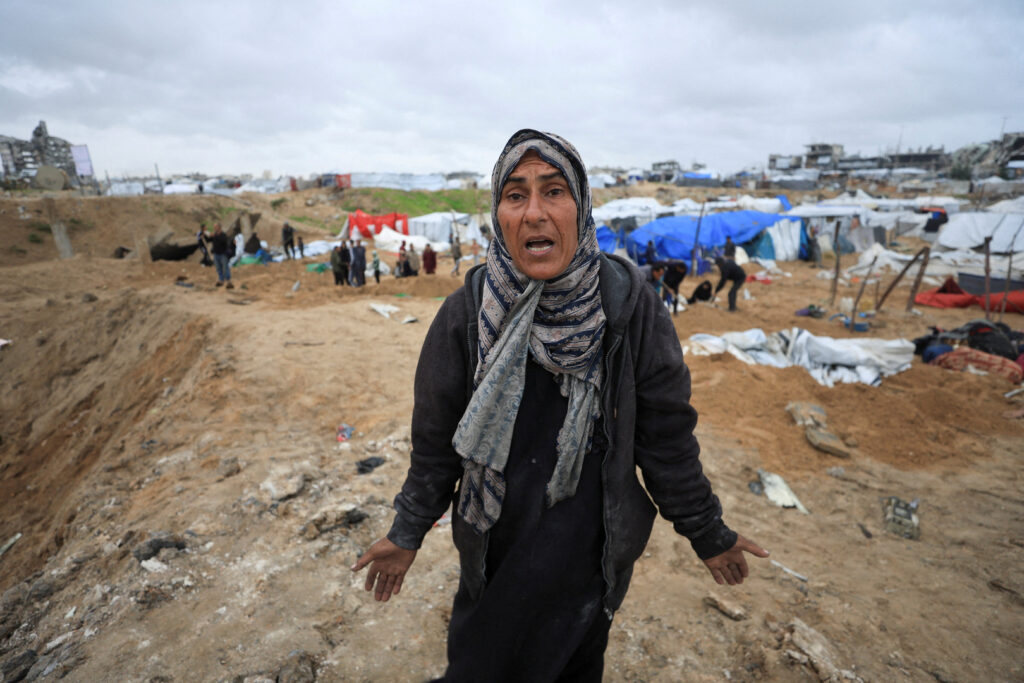
A Palestinian woman reacts at the site of Thursday's Israeli strike on tents in Gaza City, January 9, 2026. REUTERS/Dawoud Abu Alkas TPX IMAGES OF THE DAY
The ongoing conflict between Israel and Gaza has been marked by a series of devastating events that many describe as a genocide against the Palestinian population in Gaza. The timeline of this conflict reveals the escalating violence, the humanitarian crises, and the international response over recent years.
The roots of the conflict trace back decades, but the most severe escalations have occurred since the early 2000s, especially with the second Intifada and the repeated military operations in Gaza. Various Israeli military operations, including Operation Cast Lead (2008-2009), Operation Pillar of Defense (2012), Operation Protective Edge (2014), and subsequent skirmishes and bombardments have led to widespread destruction in Gaza, significant loss of civilian life, and displacement of thousands.
Each military campaign has resulted in high civilian casualties, with hospitals, schools, and residential areas being frequently targeted or caught in crossfire, according to reports by multiple human rights organizations. The blockade imposed by Israel on Gaza since 2007 has further exacerbated the humanitarian situation, restricting the flow of goods, medical supplies, and reconstruction materials.
The international community has repeatedly called for ceasefires and peace negotiations, but these efforts have often been short-lived. Recently, the Trump administration announced that its ceasefire plan for Gaza has entered “Phase Two.” This indicates a new stage in the ongoing attempts to halt the violence and establish some form of stability in the region. The details of Phase Two have not been fully disclosed, but it is expected to involve continued diplomatic efforts, potential easing of restrictions, and humanitarian aid deliveries.
Despite these efforts, the situation on the ground remains fragile and volatile. The cycle of violence continues to impact the lives of countless civilians, and the risk of further escalation is ever-present. The timeline of Israel’s actions in Gaza is a grim reminder of the enduring conflict and the urgent need for a lasting solution that addresses the root causes of the violence and ensures the protection of human rights for all involved parties.
In conclusion, the timeline of Israel’s genocide on Gaza is marked by repeated military operations, humanitarian crises, and international attempts at ceasefire, including the recent announcement by the Trump administration regarding Phase Two of its ceasefire plan. The hope remains that these efforts will lead to a peaceful resolution and an end to the cycle of suffering in Gaza.