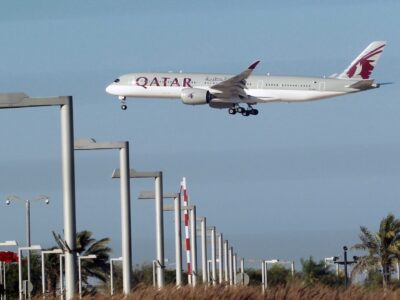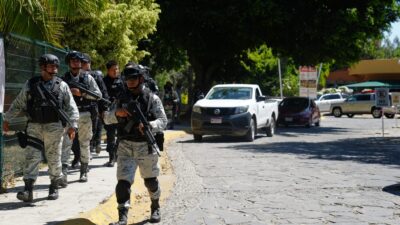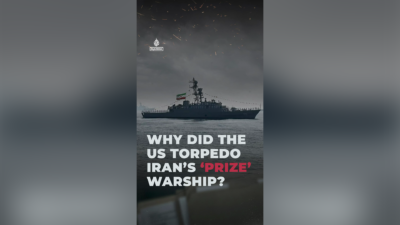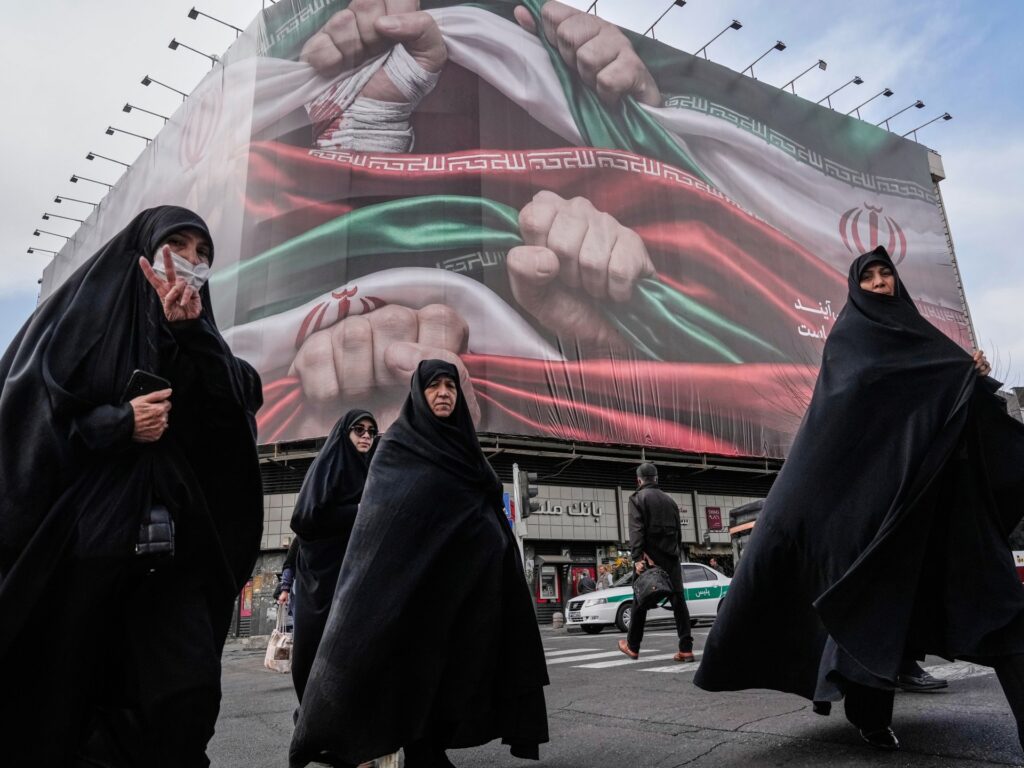
Tensions between Iran and the United States have intensified, as recent developments signal a heightened state of alert in the region. The US has initiated the withdrawal of some of its personnel from an airbase in Qatar, raising concerns about the evolving security landscape. Concurrently, Tehran has reopened its airspace, a move that has drawn significant attention amid the ongoing disputes.
These events follow a series of threats and retaliatory rhetoric from both sides, further complicating diplomatic efforts to ease tensions. The US withdrawal of troops is viewed by some analysts as a precautionary measure in response to rising threats, possibly linked to increased military activities or political provocations in the area.
Tehran’s decision to reopen its airspace marks a notable shift, potentially signifying a strategic move to assert sovereignty and control over its regional air corridors. This reopening could affect international flight routes and military operations, adding a layer of complexity to the already fragile situation.
Experts suggest that the interplay between military maneuvers and diplomatic signaling is critical in understanding the trajectory of Iran-US relations at this juncture. The withdrawal of US personnel might be a tactical repositioning rather than a retreat, aimed at maintaining operational flexibility while responding to the dynamic threat environment.
On the other hand, Iran’s reopening of airspace could be interpreted as a demonstration of defiance and an assertion of national autonomy. It sends a message that Tehran is ready to resist external pressures and safeguard its interests.
The broader geopolitical implications involve key regional players and global powers who have stakes in Middle Eastern stability. The situation remains fluid, with both sides exchanging warnings and maintaining a posture of readiness for possible escalations.
Diplomatic channels remain active, though the prospects for immediate de-escalation appear limited. The international community watches closely for signs of dialogue or further provocations that could either exacerbate or alleviate the tensions.
Air traffic and military deployments are being closely monitored as stakeholders assess the risks of inadvertent clashes or miscalculations. The potential for rapid escalation underlines the importance of cautious engagement and clear communication among involved parties.
The unfolding scenario reflects the complex interplay of military strategy, political signaling, and diplomatic efforts shaping Iran-US relations. Vigilance and diplomatic prudence will be essential in navigating this precarious period, as both nations weigh their next moves amid mounting pressures and global scrutiny.