In a controversial move, authorities in India have shut down a medical college in Kashmir following reports that Muslims constituted the majority of admissions at the institution. The medical college, which was funded by a Hindu charity, became the center of a heated debate after it was revealed that most of its students were from the Muslim community.
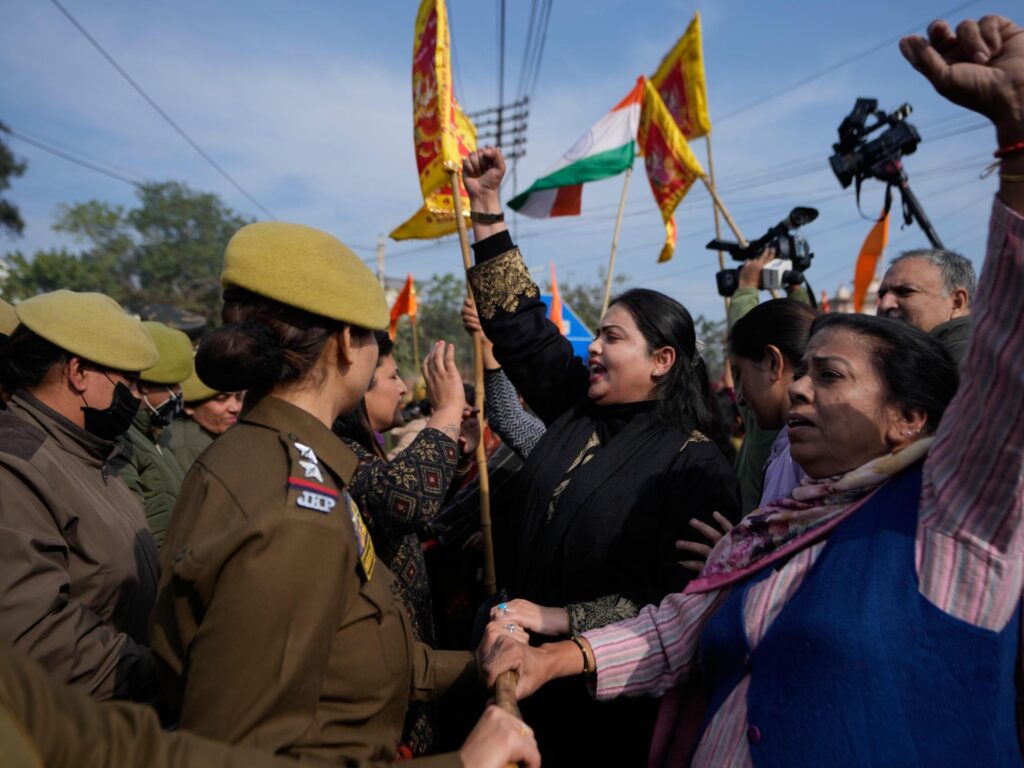
The issue sparked outrage among several Hindu groups who argued that institutions supported by Hindu donations should primarily benefit Hindu students. These groups insisted that Muslims should not gain the majority of seats in such institutions, leading to significant communal tensions.
Kashmir, with its complex socio-political landscape and a majority Muslim population, has often been a flashpoint for communal issues. The recent shutdown of the medical college only adds to the existing challenges in the region.
The medical college had been operating under the aegis of a charitable trust established by Hindu philanthropists. It aimed to provide quality medical education and improve healthcare standards in the region. However, the admission statistics showed a disproportionate number of Muslim students, which some Hindu nationalist factions used as grounds for demanding action.
Proponents of the shutdown argue that the college’s funding and management, stemming from Hindu sources, should prioritize Hindu students as part of preserving cultural and religious heritage. They claim that the current admission scenario was unfair and a misuse of charity resources.
On the other hand, critics of the shutdown consider this move discriminatory and fear it sets a precedent for communal exclusion in the education sector. They argue that medical education should be accessible to all sections of society based on merit rather than religion or community.
Educational experts warn that such religious-based admissions policies could undermine the principles of equality and inclusivity that are fundamental to the Indian education system. They emphasize the importance of meritocracy and equal opportunities for all students irrespective of their religious background.
The government has not provided a clear explanation for the closure of the medical college, leading to speculation about political motivations behind the decision. Human rights organizations have expressed concern over the impact of the closure on students and the broader implications for communal harmony.
In response to the backlash, some leaders from the Hindu charity have defended their stance, stating that the college must reflect the community that funds it. They argue that the goal is to empower their own community through education and opportunities.
Meanwhile, affected students from the Muslim community are left uncertain about their academic futures. Many have expressed disappointment and fear of being excluded from professional education opportunities.
The shutdown raises pressing questions about the intersection of religion, education, and charity in India. It highlights the challenges faced by minority communities in accessing education in areas with sensitive communal dynamics.
This incident also calls attention to the broader national debate on how charitable institutions should balance religious identity with inclusivity and merit-based admissions.
As the controversy unfolds, experts urge the government and educational authorities to establish clear guidelines that ensure fairness and prevent communal discrimination in education.
The situation underscores the need for dialogue and policies that promote coexistence and equal access to education for all communities in India, especially in conflict-prone regions like Kashmir.
In conclusion, the closure of the Kashmir medical college reflects the deep-seated communal tensions in the region and highlights the complexities of managing educational institutions funded by religious charities. It serves as a reminder of the ongoing challenges in striving for an inclusive and equitable education system in India.