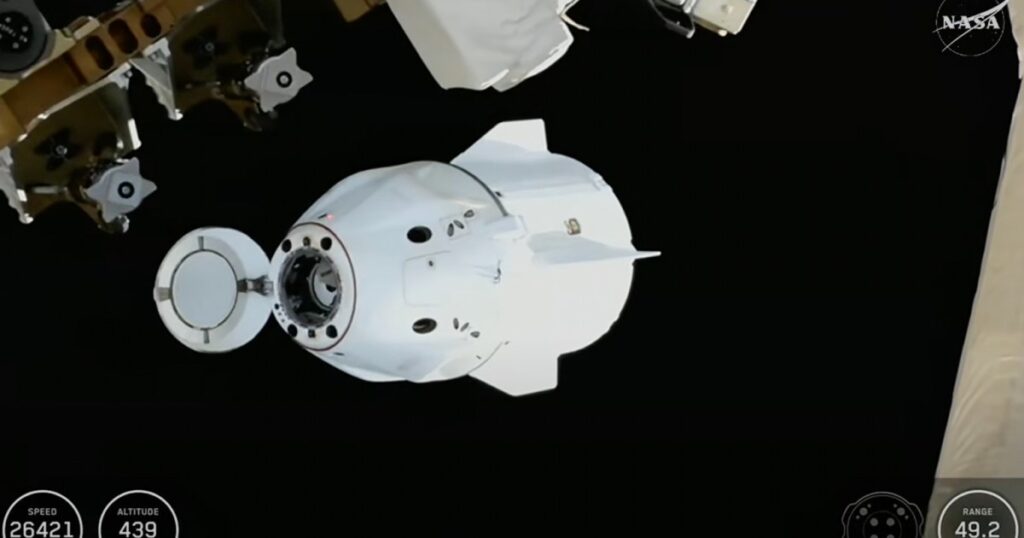
In a critical and unprecedented event, four astronauts aboard the International Space Station (ISS) have made an early return to Earth following a medical evacuation, marking the first such emergency in the history of the ISS program. This dramatic alteration of their mission schedule underscores the complexities and risks associated with long-duration space travel and highlights the preparedness and resilience of space agencies in prioritizing crew health.
The mission, which was initially slated for a standard duration onboard the ISS, was cut short when a crew member exhibited symptoms requiring immediate medical attention that could not be managed aboard the station. Given the remote environment and limited onboard medical facilities, the decision was made to initiate a rapid return to Earth for the astronaut’s wellbeing.
The returning astronauts successfully splashed down in Earth’s waters, where recovery teams promptly retrieved them and the patient to ensure swift transfer to specialized medical facilities. The prompt reaction and execution of the medical evacuation plan demonstrate the efficacy of emergency protocols designed for space missions.
This incident brings to light the inherent unpredictability of space expeditions and the paramount importance of health monitoring and contingency planning in space operations. Space agencies globally have continually enhanced their training and medical support infrastructure, aiming to mitigate health risks for astronauts in orbit.
The astronaut who required medical treatment is currently under expert care, with family members and space agency representatives expressing relief and optimism about the recovery prospects. Meanwhile, investigations and assessments will be conducted to understand the medical condition’s nature and implications for future missions.
This event also raises broader questions about the challenges associated with long-term human presence in space, especially as plans advance for missions to the Moon, Mars, and beyond. Ensuring astronaut health remains a primary concern that necessitates ongoing innovation in medical monitoring, telemedicine, and potential onboard treatment capabilities.
The successful execution of the ISS medical evacuation serves as a testament to international cooperation and the dedication of space professionals committed to prioritizing human safety during space exploration. It marks a significant milestone in the annals of spaceflight, offering vital lessons and insights that will enhance the safety protocols of future missions.
As the space community reflects on this event, the focus now turns to reintegrating the astronauts into standard operational patterns and supporting the affected crew member through recovery. The experience gained will undoubtedly inform future designs of spacecraft and mission planning, ensuring a higher readiness to respond to medical emergencies in space.
This historic medical evacuation highlights the realities of human spaceflight—unpredictable, challenging, yet executed with precision and care. It is a powerful reminder of the human element at the heart of space exploration, where overcoming adversity is part of the journey to extend humanity’s reach into the cosmos.