The second phase of the ceasefire deal concerning the Gaza conflict is set to advance with critical discussions involving the United States. Central to this phase are two major issues: the disarmament of Hamas and the withdrawal of Israeli forces from Gaza.
Following initial ceasefire agreements, the focus of the international community, led by the US, is now shifting towards stabilizing the region and establishing a functional governance structure in Gaza. This involves negotiating the delicate balance of power and security guarantees.
A significant component of the second phase is the formation of a panel comprising Palestinian technocrats. This panel will be tasked with leading the post-war administration and rebuilding efforts in Gaza. The technocrats are expected to manage civil affairs, restore infrastructure, and facilitate humanitarian aid, aiming to bring stability and normalcy to the war-torn area.
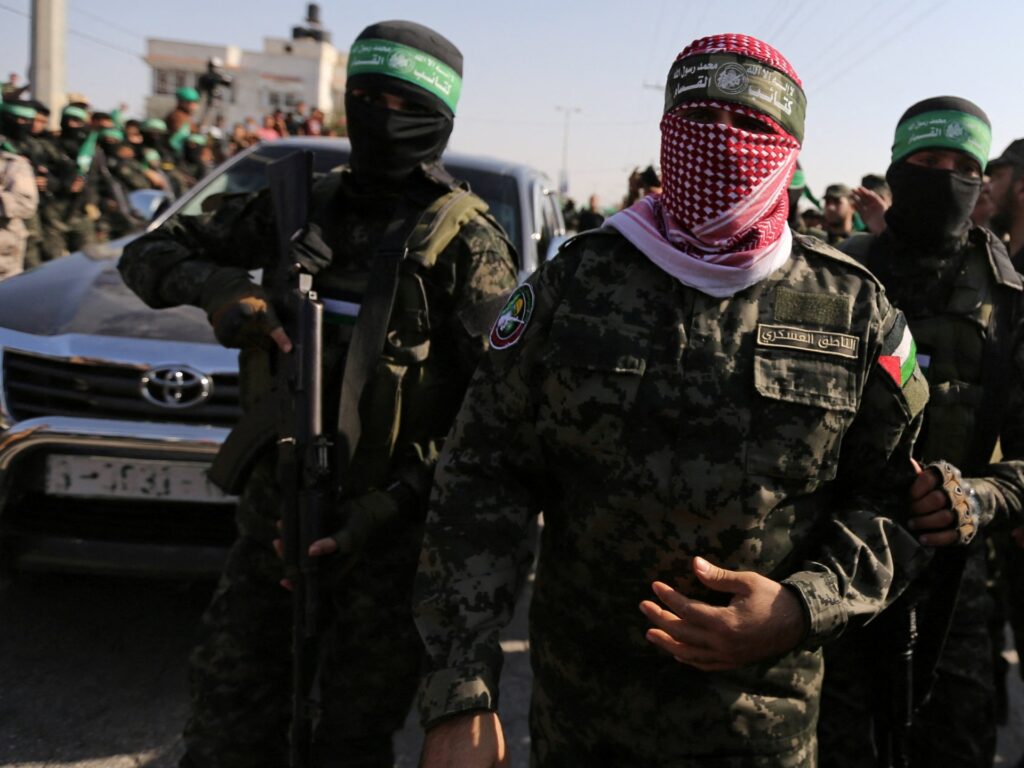
The US approach includes dialogue on the disarmament of Hamas, an organization that has been central to the conflict. The discussions aim to reduce militant capabilities to prevent future violence while striving to respect the political complexities of the region.
Israeli withdrawal from Gaza is another critical facet of the plan, intended to ease tensions and allow for the reconstruction and governance efforts led by Palestinians themselves. This withdrawal is viewed as a necessary step towards a longer-term peace and demonstrates a commitment to ceasefire terms.
International stakeholders emphasize that success in this phase hinges on cooperation between all parties, including Hamas, Israeli authorities, and Palestinian governance structures. The goal is to create a sustainable and peaceful environment that can support the rebuilding of Gaza’s society and economy.
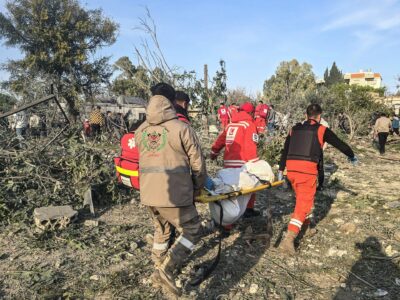
Humanitarian efforts will also be ramped up alongside political negotiations to address the urgency of civilian needs, including food, medical care, and housing.
The success of the second phase of the Gaza ceasefire deal represents a pivotal moment for peace prospects in the region, potentially paving the way for further diplomatic efforts and long-lasting stability.
Overall, the plan embodies a multi-faceted approach that tackles security, governance, and humanitarian issues, aiming to transition Gaza from conflict to recovery and peace.