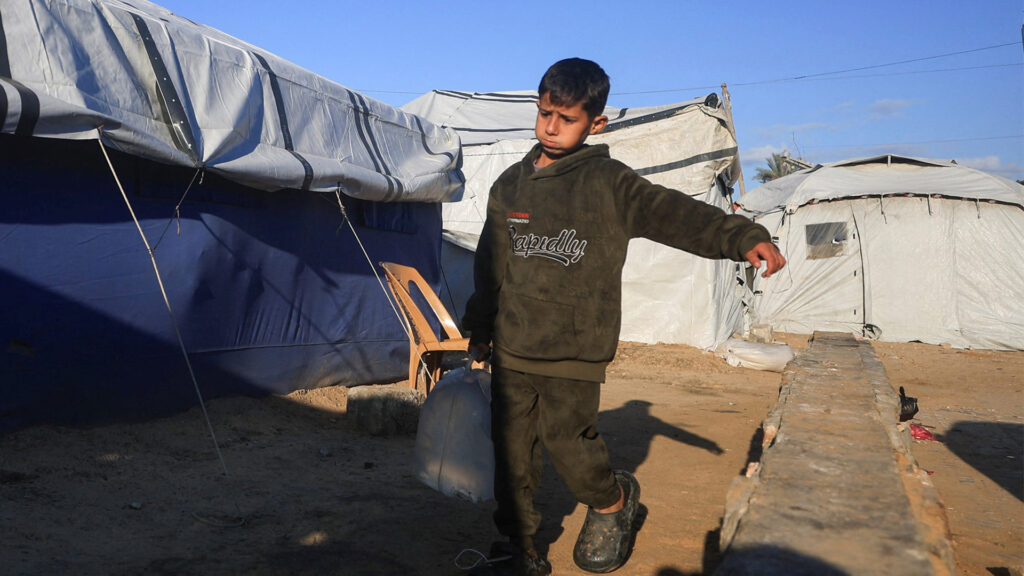
The people of Gaza are experiencing deep frustration and despair following the recent announcement by the United States regarding phase 2 of a ceasefire plan. Hind Khoudary, an observer well-versed in the situation, highlighted the emotional turmoil within the region as residents grapple with uncertainty and ongoing conflict. The announcement aimed to bring hope and relief, but instead, it has intensified feelings of disillusionment among Gazans, who continue to endure significant hardships.
The context of the ceasefire plan arises from protracted violence and conflict in the region, with multiple previous efforts to establish peace facing challenges in implementation and acceptance. Phase 2 of the plan reportedly includes steps toward a more sustainable ceasefire agreement, but details and timelines remain unclear to many on the ground.
Khoudary explained that the emotional state in Gaza reflects a mix of anticipation tempered with skepticism, as past ceasefire promises have often been broken or delayed. The residents’ frustration stems from the limited access to essential resources, ongoing security threats, and the enduring impact on their daily lives and wellbeing.
The international community had hoped that this new phase would signal a substantive move toward ending hostilities. However, the reaction in Gaza indicates that significant hurdles remain before peace can be restored. People feel that the process is too slow and that the promises made have not yet translated into tangible improvements.
Observers note that while the ceasefire announcement includes diplomatic engagement and calls for cooperation, enforcement mechanisms are weak and subject to political dynamics that complicate implementation. There is a call among humanitarian groups for increased support and immediate relief to alleviate the suffering of civilians caught in the conflict.
The psychological impact of prolonged conflict is also a major concern, with families experiencing trauma, loss, and instability. The despair voiced by Khoudary resonates with many Gazans who yearn for normalcy but see little progress.
Efforts to negotiate peace involve multiple stakeholders, including regional powers and international mediators, who are urged to prioritize human security and address root causes. Analysts believe that without inclusive dialogue and commitment from all parties, ceasefire agreements will struggle to achieve lasting peace.
For now, the residents of Gaza watch with cautious hope as phase 2 unfolds, deeply aware that the path to peace is fraught with complexity, disappointment, and the pressing need for humanitarian aid. Their frustration is a call to action for the global community to intensify efforts toward a just and enduring resolution to the conflict.