In a significant development stirring political and legal debates in the United States, five lawmakers are currently under investigation by the Department of Justice. The inquiry centers around a video these legislators released in November, which purportedly warned US troops about the possibility of receiving illegal orders.
The video, which quickly garnered attention and controversy, aimed to inform military personnel of their rights and responsibilities in the face of potentially unlawful commands. However, the Justice Department’s investigation raises questions about the implications and legality of such a warning issued by elected officials.
Details about the content of the video indicate that the legislators sought to emphasize the importance of lawful conduct within the armed forces, potentially advising troops on how to respond if ordered to carry out actions they believed to be illegal under US law or international standards.
The investigation has polarized opinions, with supporters defending the lawmakers’ actions as a necessary measure to uphold military ethics and human rights. They argue the lawmakers were exercising their duty to protect servicemen and women from being compelled to commit illegal acts.
Critics, on the other hand, suggest that the video could undermine military discipline and chain of command, potentially encouraging disobedience and insubordination within the ranks. They assert that such messages should not come from politicians but rather through formal military channels.
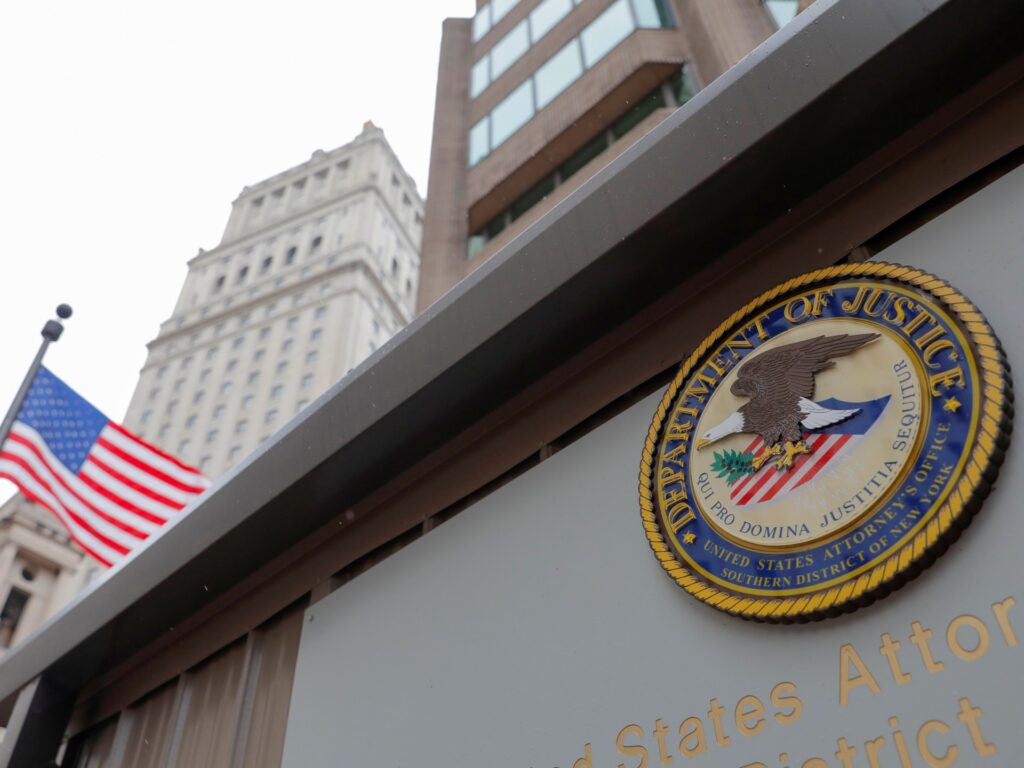
The Department of Justice has not disclosed specific details about the nature of the investigation or potential charges, but it affirms the seriousness with which it addresses allegations related to national security and military protocol.
This investigation also raises broader questions about the boundaries of free speech for public officials, particularly in relation to national defense matters. Balancing the right to inform and warn against the need for maintaining order and discipline in the armed forces remains a complex issue.
In the meantime, the five lawmakers have issued statements defending their video, stating their intent was to clarify the legal and moral responsibilities of service members. They emphasize their commitment to both national security and the rule of law.
This case continues to unfold as the DOJ examines the impact and motivations behind the video, with implications for civil-military relations and legislative oversight of the military in the United States.